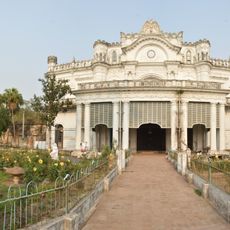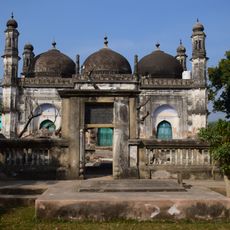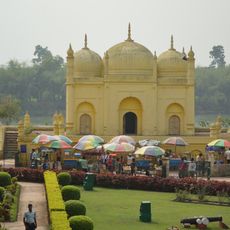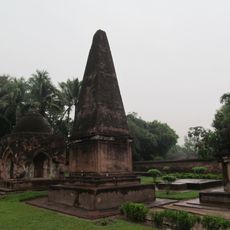
Karnasuvarna, Archaeological site and monument of national importance near Berhampore, West Bengal, India
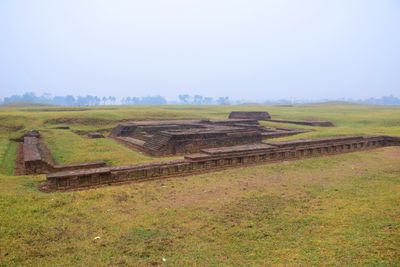
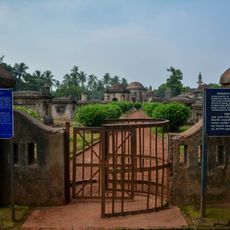
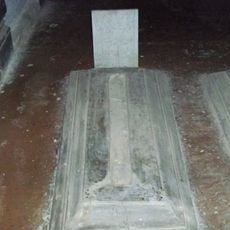
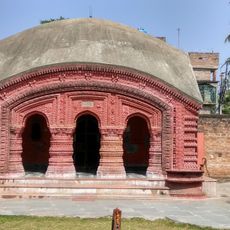
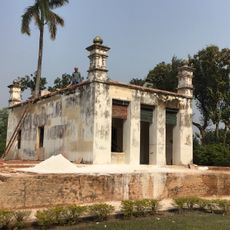
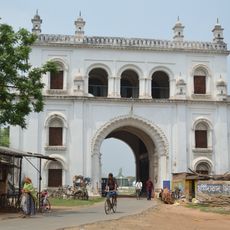
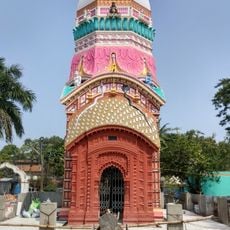
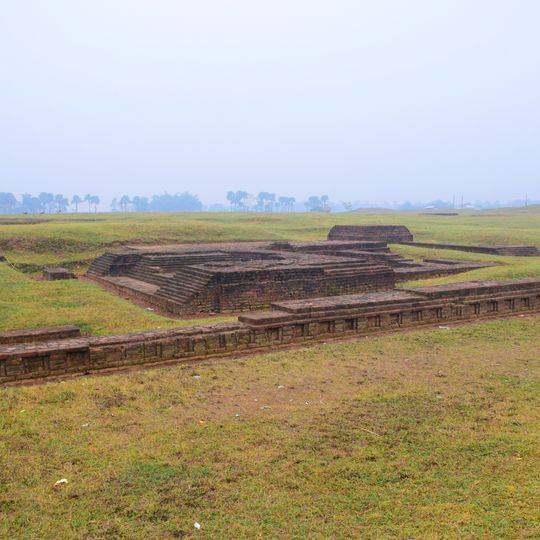
Karnasuvarna is an archaeological site and monument of national importance in the Berhampore block of Murshidabad district, West Bengal, India. It sits near the Bhagirathi River and consists of earthen mounds, brick wall remnants, and scattered structures that mark the outlines of former religious and monastic buildings.
Karnasuvarna was the capital of the Gauda Kingdom under Shashanka, the first important king of ancient Bengal, who ruled from 606 to 637 CE. After his death it briefly became the Jayaskandhavara, or camp of victory, of Bhaskaravarman of Kamarupa, as recorded in the Nidhanpur copper-plate grant. In the mid-7th century it was the capital of Jayanaga, according to his Vappa Ghoshavata grant. The city's prominence was short-lived: it fades from record by the end of that century and is not mentioned in later Pala or Sena documents.
The name Karnasuvarna comes from Sanskrit and means something like "Karna's gold," linking the site to the legendary hero Karna from the Mahabharata. Local people still speak of this connection, and it shapes how the place is remembered in the surrounding villages.
The site can be reached from Berhampore using local transport such as cycle vans or electric rickshaws, and the Karna Subarna railway station is close by. Visitors should wear sturdy shoes and bring water, as the paths between the ruins are unpaved and walking takes time.
Excavations begun in 1929 uncovered a clay seal identifying the site as Raktamrittika Mahavihara, the Buddhist monastery described by the Chinese traveler Xuanzang when he visited around 639 CE. The scholar Atisha Dipankara, who later carried Buddhism to Tibet, is believed to have studied here.
The community of curious travelers
AroundUs brings together thousands of curated places, local tips, and hidden gems, enriched daily by 92,708 contributors worldwide.