Motijhil, Historical lake in Murshidabad, India.
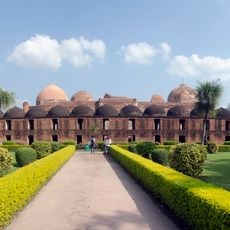
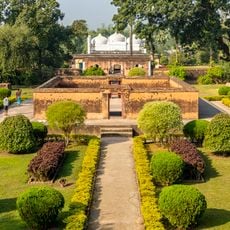
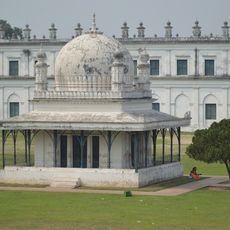
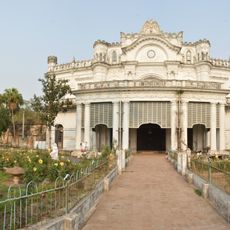
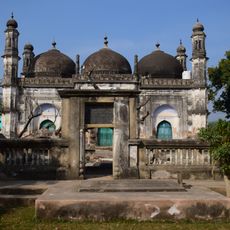
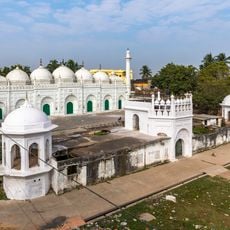
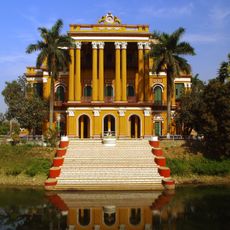
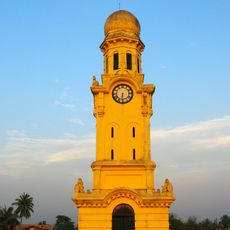
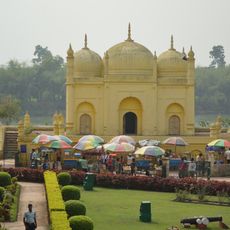
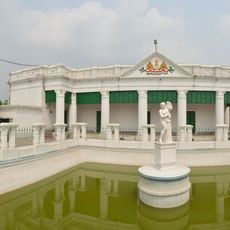
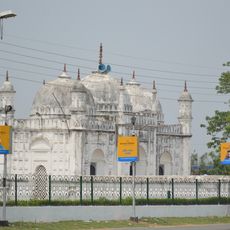
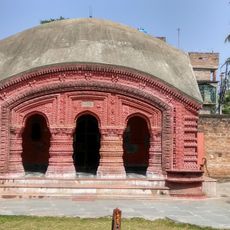
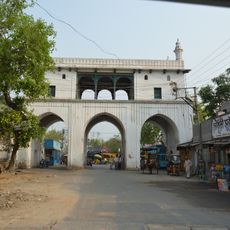
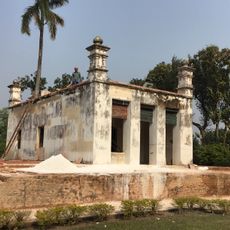
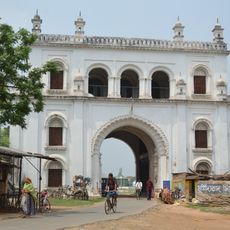
Motijhil is a horseshoe-shaped lake in Murshidabad, West Bengal, excavated on former beds of the Bhagirathi River. At its bend stands the Sang-i-Dalan palace, built in 1740 with black basalt pillars brought from the ruins of Gaur. The palace complex includes a lofty gateway, the Shahamat Jang mosque, and the Kala Masjid, a rectangular mosque with three domes and four octagonal minarets.
Nawazish Muhammad Khan, the son-in-law of Nawab Alivardi Khan, created this lake in the 1740s and built the Sang-i-Dalan palace on its shore. It became part of Murshidabad's urban development during that period.
The lake's name means "Pearl Lake", and it is also called Company's Lake from its East India Company links. Beside it stands the Kala Masjid, built in 1749–50; a Persian inscription in its wall gives the date. Inside is kept a Quran copied by Nawazish Muhammad Khan himself.
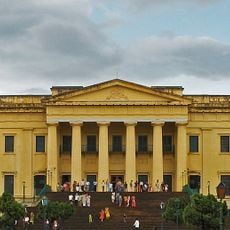
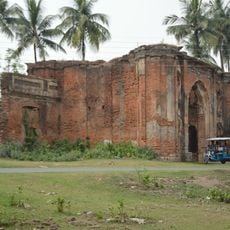
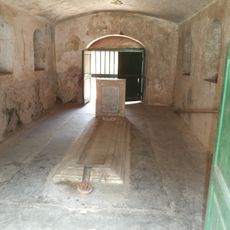
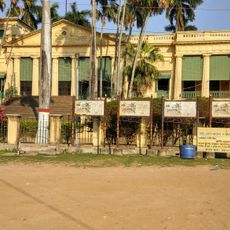
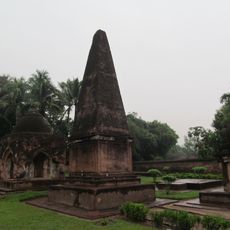
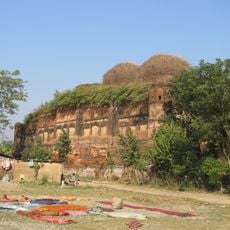
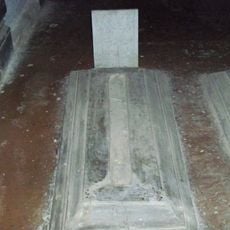
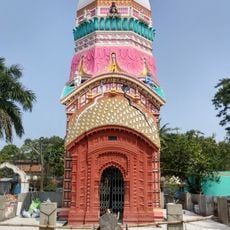
Motijhil lies about 1.5 km south of Murshidabad town and roughly 3 km south-east of Hazarduari Palace, so it can be combined with a visit to the palace. The lake and its monuments are protected by the Archaeological Survey of India. The Kala Masjid stands beside the water, with the tomb enclosures just east of it and a ruined royal gateway west of the mosque beyond the compound wall.
The palace's name, Sang-i-Dalan, means Stone Palace, because it was built with black basalt pillars brought from the ruins of Gaur. The building was finished in 1740 and later decorated with flower plants and precious marbles.
The community of curious travelers
AroundUs brings together thousands of curated places, local tips, and hidden gems, enriched daily by 93,008 contributors worldwide.