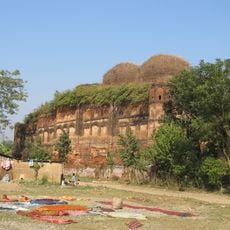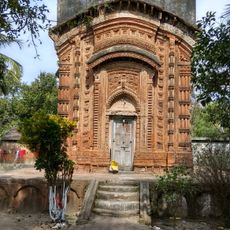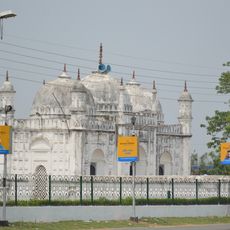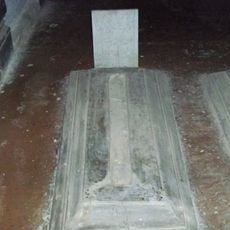
Yellow Mosque, Religious monument in Hazarduari Palace complex, Murshidabad, India
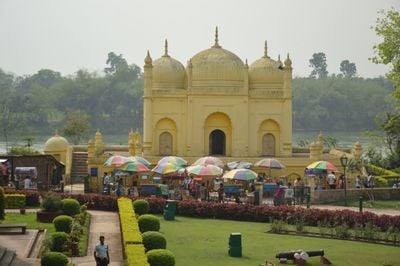
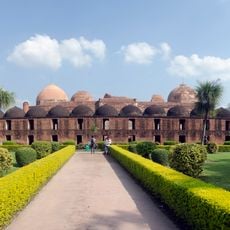
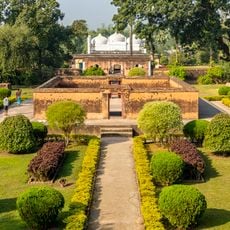
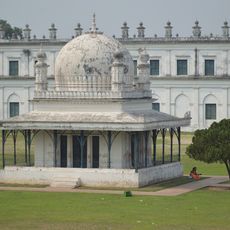
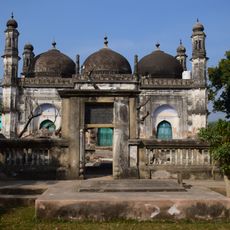
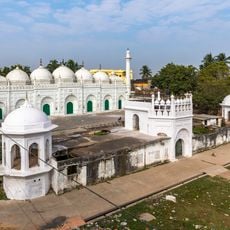
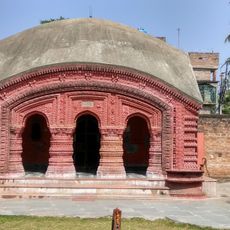
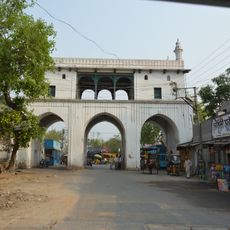
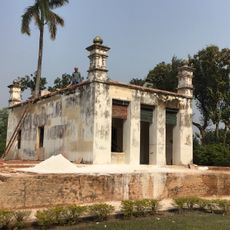
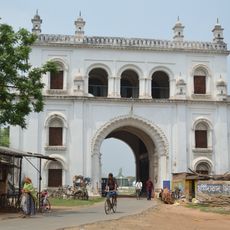
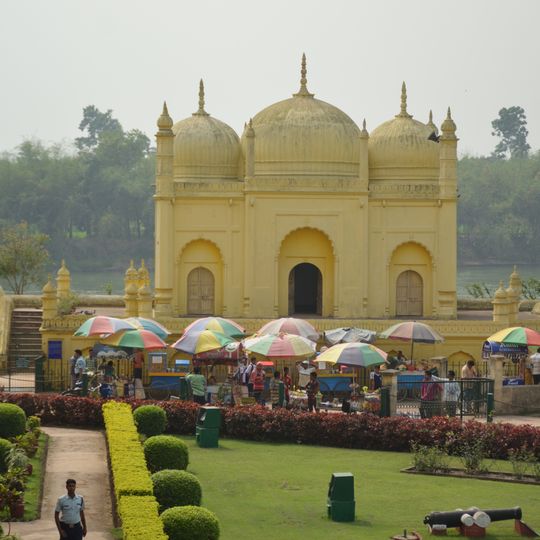
The Yellow Mosque stands within the expansive Hazarduari Palace complex along the Bhagirathi River in Murshidabad. The structure features three prominent domes and distinctly tinted yellow walls that give it its name.
Nawab Siraj ud-Daulah commissioned this structure between 1756 and 1757 during his rule of Murshidabad. It was built during a period when the region experienced significant political shifts.
The mosque serves as a working place of worship for the local community and remains an important landmark within the palace grounds. Its yellow walls give it a distinctive character that sets it apart from other structures in the complex.
The structure can be visited throughout the year, though October through March provides the most comfortable conditions for exploration. These months offer pleasant weather for walking around the grounds.
The building carries the ASI identification N-WB-126 and displays inscriptions in several regional languages. These texts show the linguistic diversity that existed in the historical kingdom.
The community of curious travelers
AroundUs brings together thousands of curated places, local tips, and hidden gems, enriched daily by 92,612 contributors worldwide.