Vithoba Temple, Hindu temple in Pandharpur, Maharashtra, India
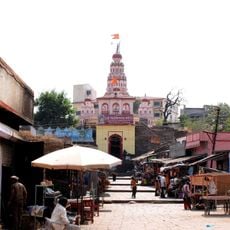
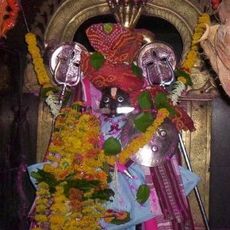
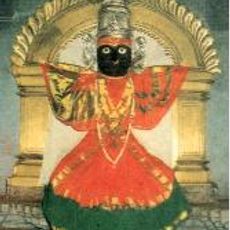
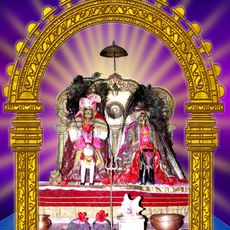
The Vithoba Temple is a Hindu place of worship in Pandharpur, Maharashtra, housing a standing black stone deity resting on a brick with both hands placed on the hips. The inner sanctum lies within several courtyards, surrounded by colonnades and subsidiary shrines dedicated to different saints and gods.
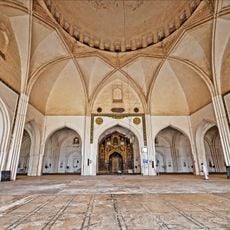
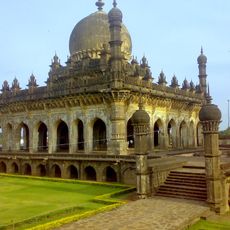
A 1189 inscription records the first small shrine to Vithoba on this site. King Vishnuvardhana of the Hoysala Empire built the temple between 1108 and 1152 CE, and a 1237 inscription by Hoysala king Vira Someshwara grants a village for its upkeep. Most of the present structure dates to the 17th century or later, in the later Deccan style with dome motifs and lobed arches.
The two main pilgrimages fall on the eleventh lunar day in the month of Ashadha (June–July) and in Kartika (October–November), when pilgrims from across Maharashtra arrive on foot. Many wear yellow clothing and sing abhangas, devotional songs passed down from saints like Tukaram and Namdev over centuries.
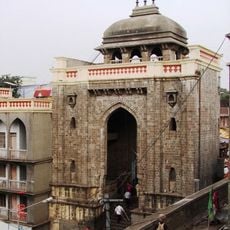
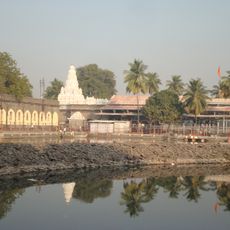
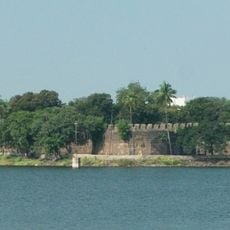
The main entrance faces the Chandrabhaga river, and visitors pass the samadhi shrine of Chokhamela and a bust of Namadeva at the front gate before climbing the stairs inside. The image of Vithoba is hidden during the noon madhyahnapuja, so plan viewing around that private meal. The sanctum sits at the deepest recess and highest point of the six-part complex, reached through the Solakhambi and Caukham bi halls.
The Solakhambi hall takes its name from its sixteen pillars, and the smaller Caukham bi beyond it has four. The innermost chamber holding the Vithoba image sits at the deepest recess and highest point of the temple. At the front gate are a small samadhi shrine to Chokhamela and a bust of Namadeva, honoured before visitors climb the stairs.
The community of curious travelers
AroundUs brings together thousands of curated places, local tips, and hidden gems, enriched daily by 94,389 contributors worldwide.