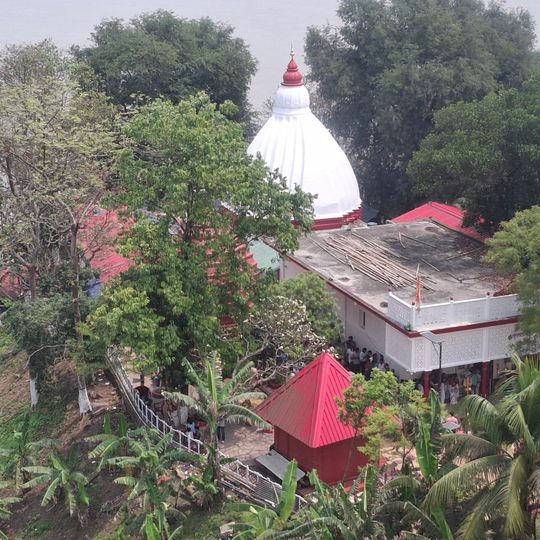
Umananda Temple, Hindu temple on Peacock Island, Guwahati, India
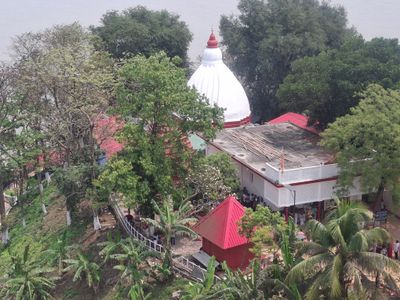
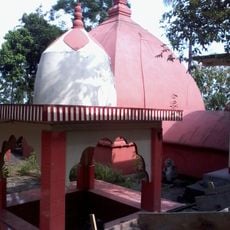
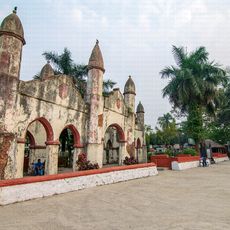
Umananda Temple is a white Shiva temple on Umananda Island, the small inhabited island in the Brahmaputra at Guwahati. Its rounded white dome with a finial tops a flat-roofed building whose open terrace holds long wooden poles; a smaller pavilion with a deep red pyramidal roof stands in front, and a white railing runs along the complex edge among trees.
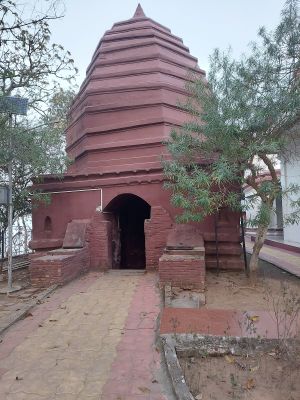
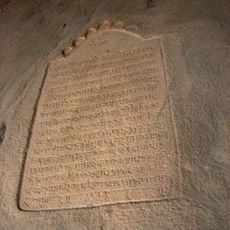
A brick temple was built on the site in 1694 by Bar Phukan Garhganya Handique on the orders of Ahom king Gadadhar Singha (1681–1696). The Mughal army desecrated it, and Aurangzeb later granted the temple a jagir when Gauhati came under his control. The 1897 Assam earthquake badly damaged the original structure; a wealthy local merchant rebuilt it and had Vaishnavite slogans inscribed inside the Shiva temple.
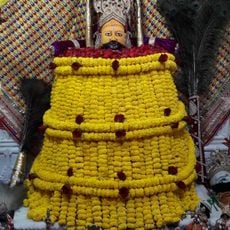
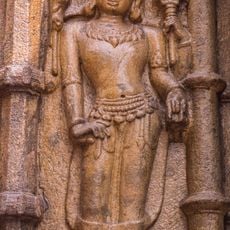
The shrine honors Shiva in his form as Umananda, a name reflecting the joy goddess Uma brings to her consort. Devotees light candles and incense while contemplating the stone carvings and praying before the altars.
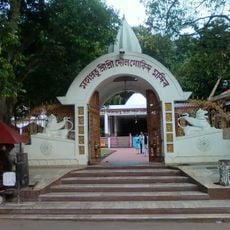
Country boats and ferries reach the island from the Guwahati bank, including Sukleshwar Ghat and Fancy Bazar Ghat, and from Uzanbazar Ferry Ghat; Inland Water Transport runs a cheaper service. The final approach to the main shrine is a flight of steep steps, over 150 of them, so allow time for the climb.
The island is considered the smallest inhabited riverine island in the world, with a few huts and paths alongside the shrine. According to mythology, Kamadeva turned to ashes here after interrupting Shiva's meditation, giving the hill its name Bhasmachala.
The community of curious travelers
AroundUs brings together thousands of curated places, local tips, and hidden gems, enriched daily by 94,657 contributors worldwide.