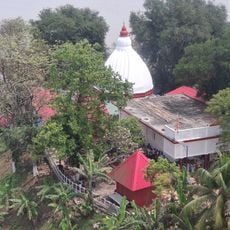
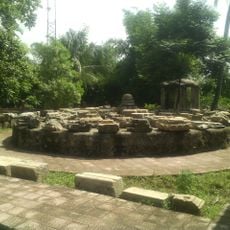
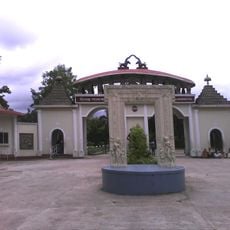
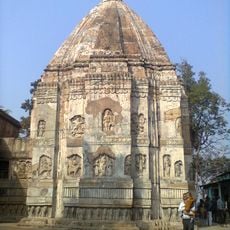
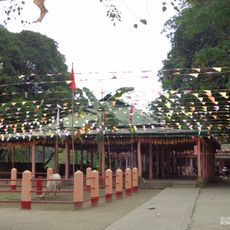
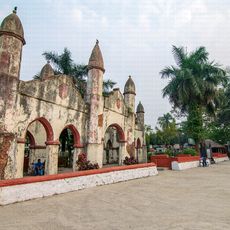
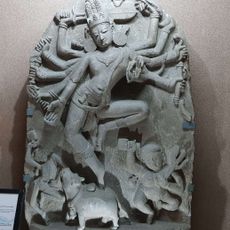
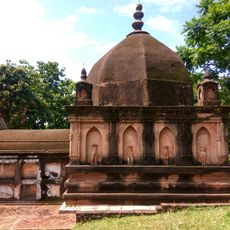
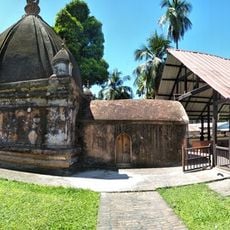
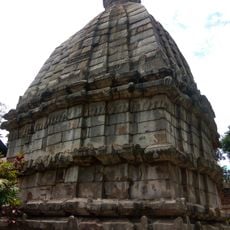
Doul Govinda Temple, Hindu temple in Rajaduar, North Guwahati, India.
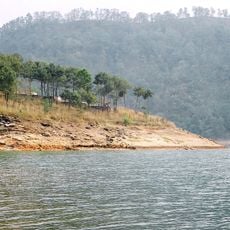
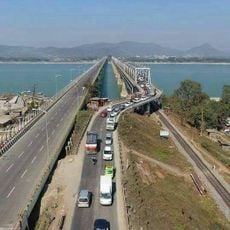
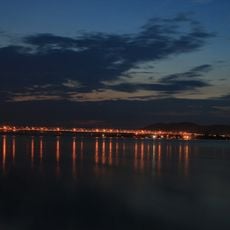
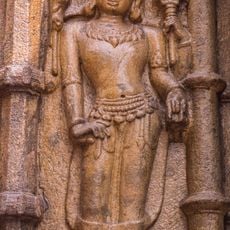
Doul Govinda Temple stands on the northern bank of the Brahmaputra River, at the foot of Chandra Bharati hill, built in the traditional Assamese style with curved roofs and carved stone details. The site sits where the river and the hills meet, making it a recognizable point along this stretch of the waterway.
The temple was built more than 150 years ago, rooted in the religious traditions that have long shaped this part of Assam. A major renovation carried out in the 1960s reinforced the structure and ensured it remained a functioning place of worship.
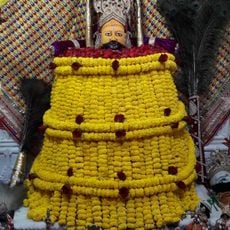
The name Doul Govinda comes from the dol, the swing platform on which the Krishna image is carried during the Dol Jatra festival in Phagun-Chait (February–March). The image was brought from Sandhyasar near Nalbari by Ganga Ram Barooah, father of Anandaram Barooah; when priests hesitated over which image to raise on the swing, the newly arrived one is said to have extended four fingers. Bhoga prasada is distributed daily in the open hall.
The temple opens early each morning for daily prayers and rituals, so arriving at the start of the day gives the best chance to see the ceremonies. A ferry from the nearby market is the most convenient way to cross the river and reach the site.
The deity was found buried at Sandhyasar forest near Nalbari: a cowherd's cow slipped its tether at night and poured milk over a birina tree there. Gargaram Baruah, father of Anandaram Baruah, had the spot dug and the image carried to Chandra Bharati hill, where it joined the older Ghanashyam Rai image.
The community of curious travelers
AroundUs brings together thousands of curated places, local tips, and hidden gems, enriched daily by 92,787 contributors worldwide.