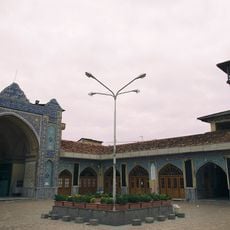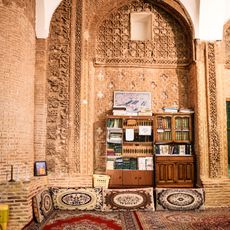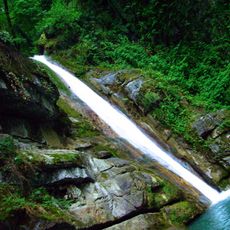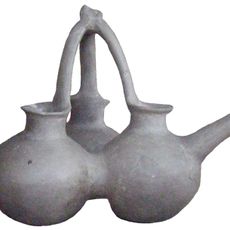
Gonbad-e Kavus, city in Golestan Province, Iran
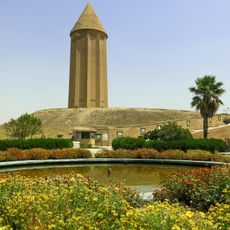
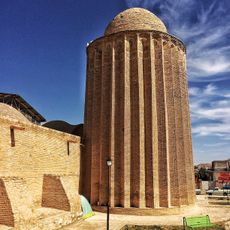
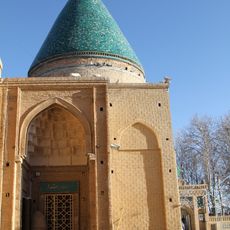
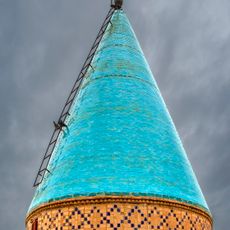
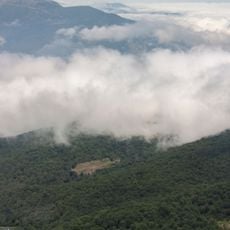
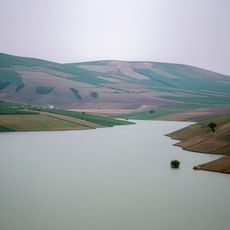
Gonbad-e Kavus is a city in northern Iran with two main districts and several rural areas that mix drier and greener zones. Its most famous feature is a tall brick tower from the early 11th century with geometric patterns that stands visible from across the landscape.
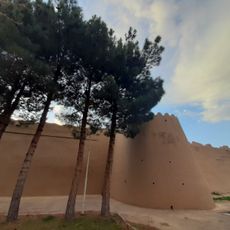
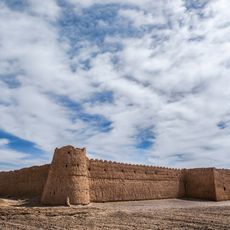
The city developed during the Ziyarid dynasty period, establishing its role as a trade center in the region. In the 6th century, the Great Wall of Gorgan was built nearby to protect the population from invasions from the north.
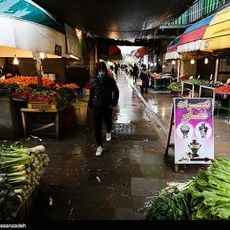
Gonbad-e Kavus is a center of Turkmen culture, where traditional crafts like carpet weaving and metalwork remain active in workshops and the local bazaar. These skills and practices are passed down through families and reflect how locals maintain their heritage in daily life.
Most places are walkable, especially the bazaar and historic sites, and shared taxis or minibuses serve longer routes without fixed schedules. Spring and autumn are ideal travel times with mild weather, while summers are hot and humid.
The Qabus Tower, the world's tallest brick building from 1006, features geometric decorative grooves that cast complex shadows at sunrise and sunset, making the structure appear different throughout the day. This optical effect was likely intentional and shows the sophisticated understanding of early medieval architects for light and form.
The community of curious travelers
AroundUs brings together thousands of curated places, local tips, and hidden gems, enriched daily by 92,538 contributors worldwide.