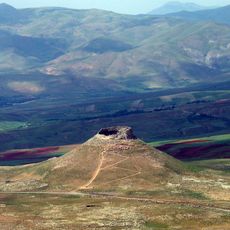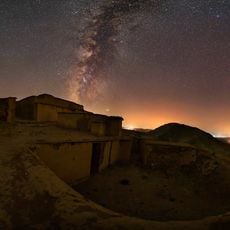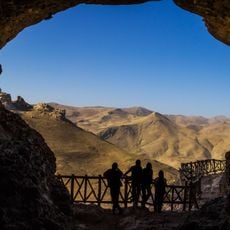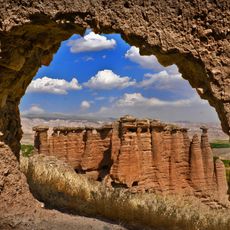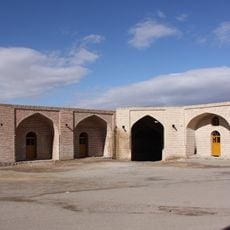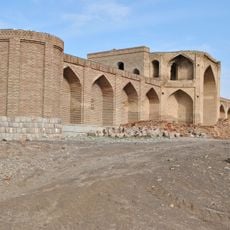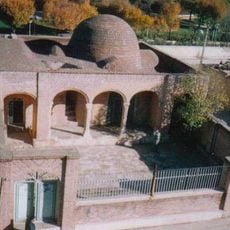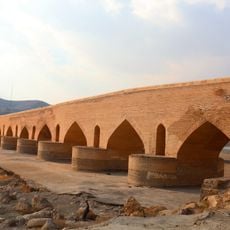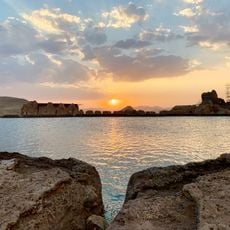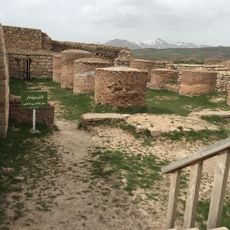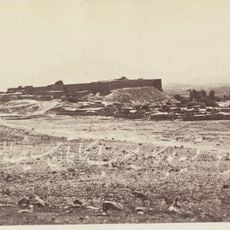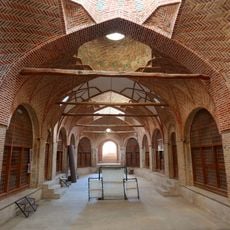
Adur Gushnasp, Fire temple in Takht-e Soleyman, Iran
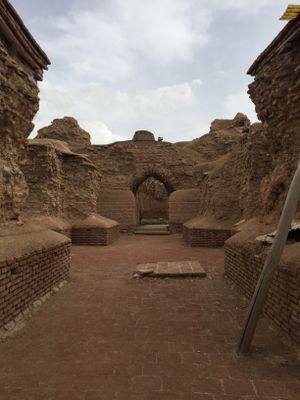
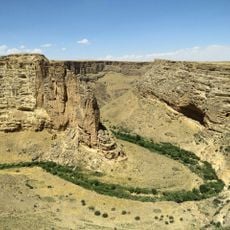
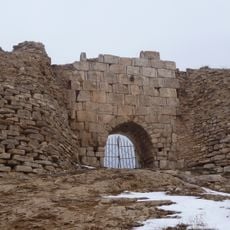
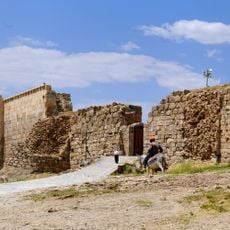
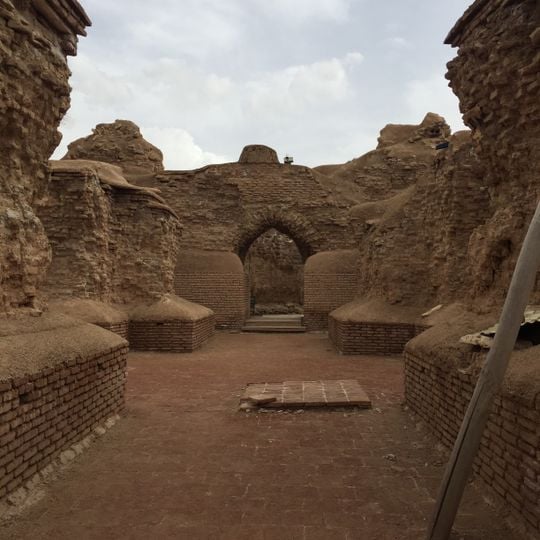
Adur Gushnasp is a Zoroastrian fire temple within the Takht-e Soleyman archaeological complex in northwestern Iran, built from brick, travertine, and stone. The structure follows a chahartaq plan, a square layout with four open arches, typical of Iranian religious buildings from the Sasanian period.
The temple was built during the Sasanian era and was then one of the three most revered fire temples in the Zoroastrian world. During Ilkhanid rule, parts of it were rebuilt, and new construction methods were added alongside the original structure.
The name Gushnasp refers to a sacred fire traditionally associated with warriors and royalty in Zoroastrian belief, which is why Persian kings would visit before going to war. Walking through the ruins today, you can still see the remains of the fire altar at the center of the main chamber.
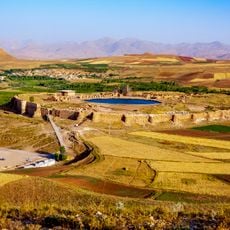
The site is part of the Takht-e Soleyman archaeological park, and sturdy shoes are needed since the ground is uneven throughout the ruins. Visiting in the morning or late afternoon gives the best visibility of the stone and brick details on the walls.
According to tradition, the sacred fire kept in this temple was never allowed to go out, and priests were responsible for maintaining it without interruption across generations. This unbroken continuity of flame was the very reason the temple held such weight in Zoroastrian practice.
The community of curious travelers
AroundUs brings together thousands of curated places, local tips, and hidden gems, enriched daily by 92,687 contributors worldwide.