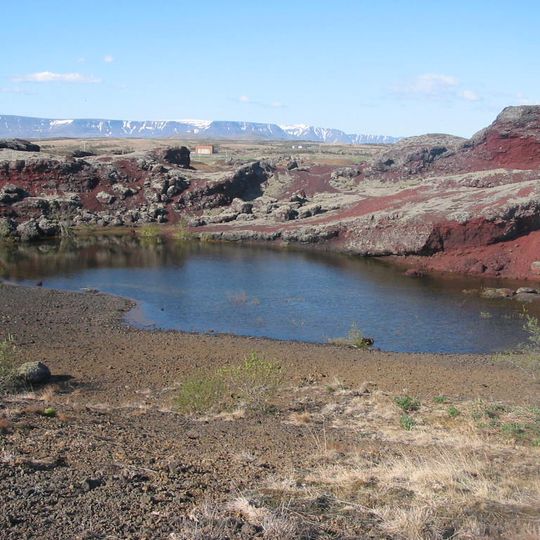
Brennisteinsfjöll, Volcanic mountain system in Grindavíkurbær, Iceland
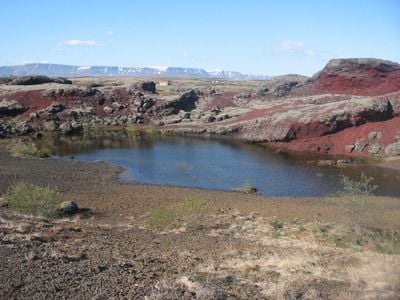
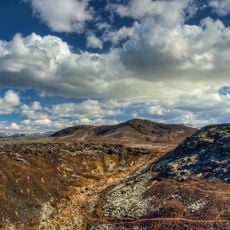
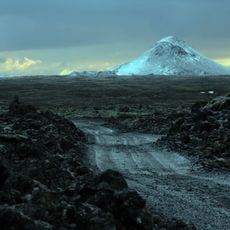
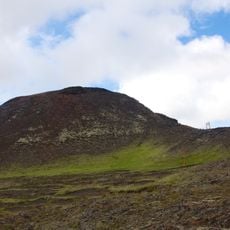
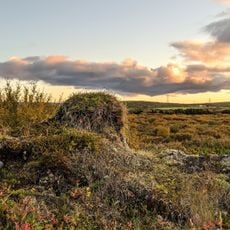
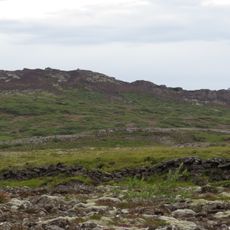
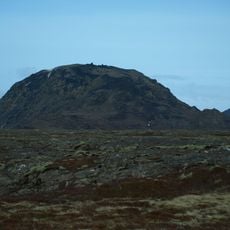
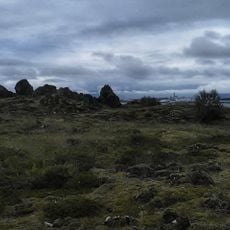
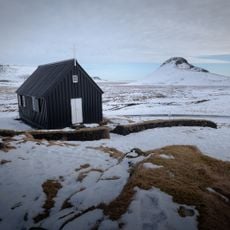
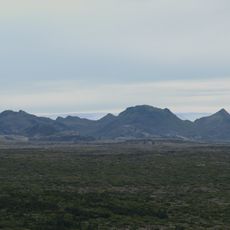
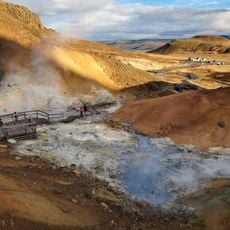
Brennisteinsfjöll is a volcanic mountain system on the Reykjanes Peninsula with multiple crater rows and active geothermal features. The landscape reveals the form of a shield volcano with visible fissures, cone formations, and steam vents that indicate ongoing thermal activity below the surface.
The mountain system formed during multiple eruption cycles in the Holocene period, with the most recent major event in 1341. That eruption had far-reaching effects on European climate patterns, demonstrating the global reach of Icelandic volcanic activity.
The name translates to 'sulfur mountain' in Icelandic, referring to the yellow sulfur deposits that color the landscape. Visitors notice how the geothermal features shape the way locals and travelers think about this raw, active part of the island.
Marked trails guide visitors through the area and staying on established paths protects the delicate geothermal environment. Sturdy footwear matters because hot springs and steam vents can appear without warning along the route.
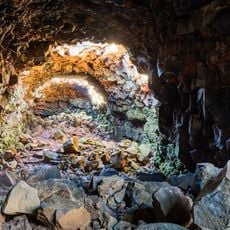
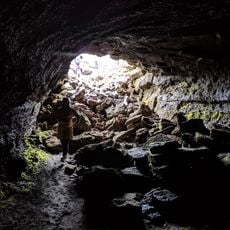
The Stóra-Kóngsfell and Þríhnúkagígar craters are exceptionally well-preserved formations that reveal patterns about underground magmatic movement. Visitors who examine these craters closely can see evidence of how magma fed earlier eruptions and shaped the final crater patterns.
The community of curious travelers
AroundUs brings together thousands of curated places, local tips, and hidden gems, enriched daily by 91,394 contributors worldwide.