Reykjanes, Volcanic peninsula in southwestern Iceland.
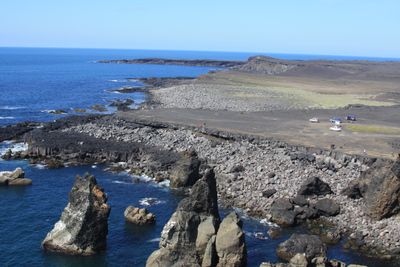
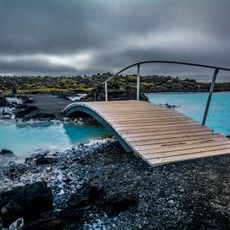
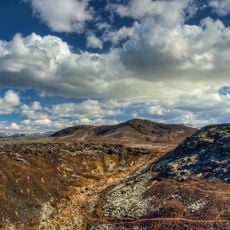
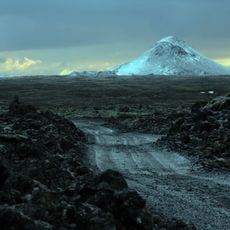
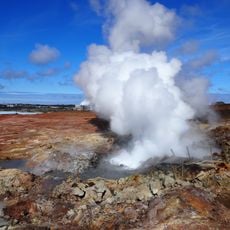
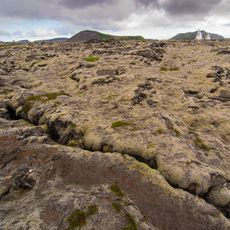
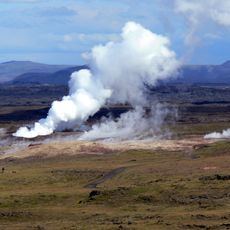
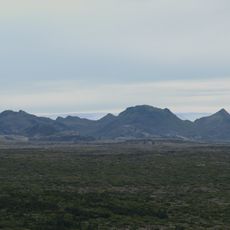
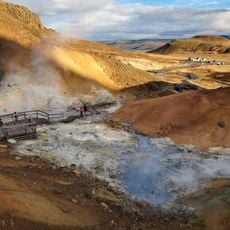
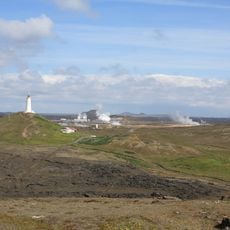
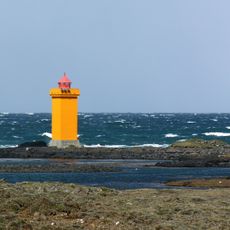
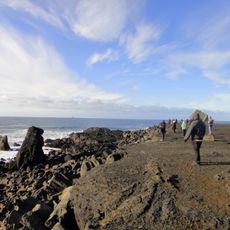
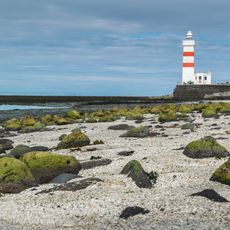
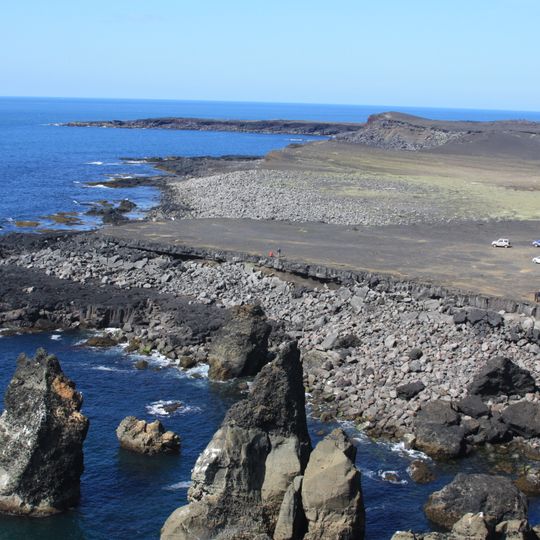
Reykjanes is a peninsula in southwestern Iceland characterized by vast lava fields, active volcanoes, and numerous geothermal zones scattered across the terrain. The landscape features mud pools, steam vents, and hot springs that demonstrate ongoing geothermal activity throughout the region.
The region experienced volcanic dormancy for about 800 years before the Fagradalsfjall volcano began erupting in 2021. Since then, several eruption cycles have reshaped the land and revealed the peninsula's dynamic geological nature.
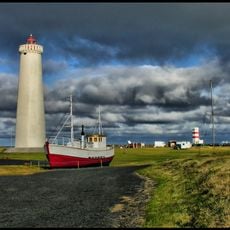
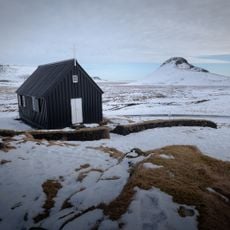
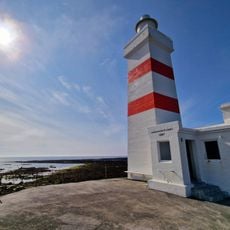
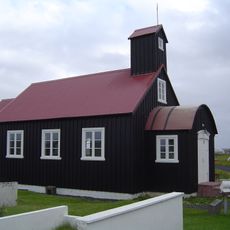
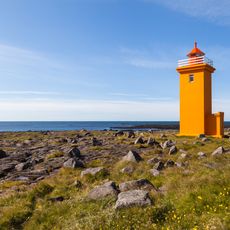
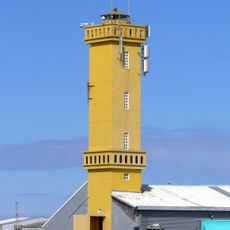
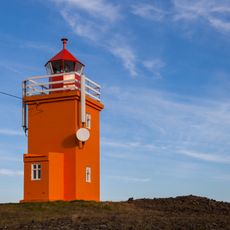
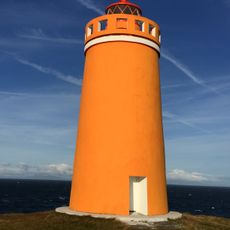
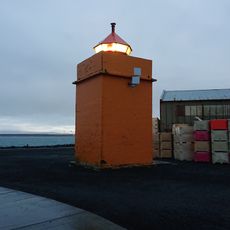
The fishing villages scattered across the peninsula are small communities where maritime traditions shape daily life and local identity. People here have adapted their way of living to the harsh environment and the volcanic changes that periodically reshape their surroundings.
The peninsula is easily accessible from Keflavik International Airport, with many marked trails leading to geothermal areas and volcanic formations. Visitors should prepare for changeable weather and wear sturdy footwear, as the ground is uneven and can be frozen in many areas.
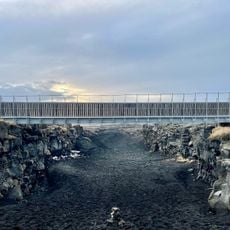
The area sits on the Mid-Atlantic Ridge where two tectonic plates slowly move apart, causing the ground itself to spread and shift over time. This geological process is more visible here than in many other locations on Earth.
The community of curious travelers
AroundUs brings together thousands of curated places, local tips, and hidden gems, enriched daily by 60,000 contributors worldwide.