Appian Way, Ancient road in Rome, Italy
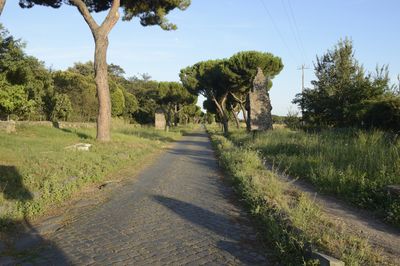
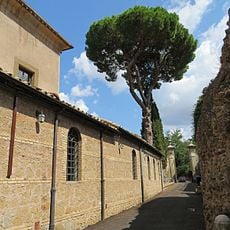
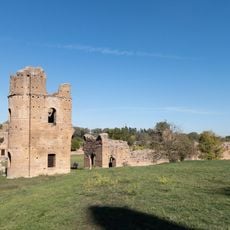
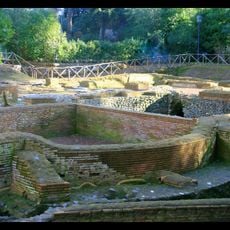
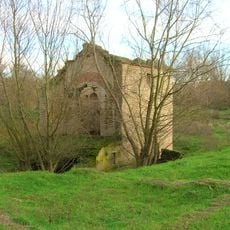
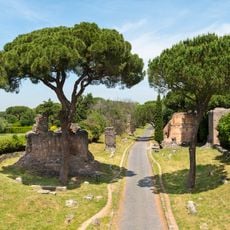
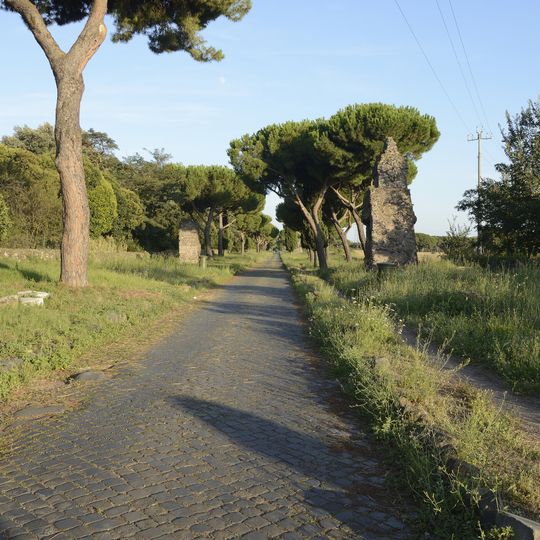
The Appian Way runs about 430 miles (692 km) from Rome to Brindisi, paved with large basalt blocks fitted closely without mortar. The roadbed crosses farmland past ruins of villas, aqueducts, and milestones that once told travelers how far they stood from the city center.
Appius Claudius Caecus ordered construction to begin in 312 BC as a military corridor to move troops south during wars with the Samnites. Later extensions pushed the route farther toward Brindisi, linking Rome to ports that opened trade and passage east across the Mediterranean.
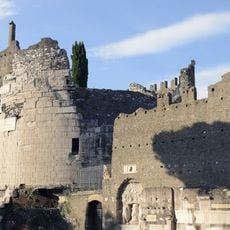
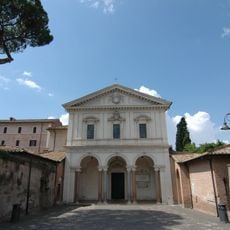
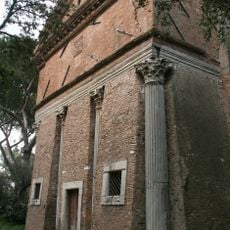
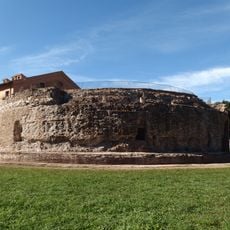
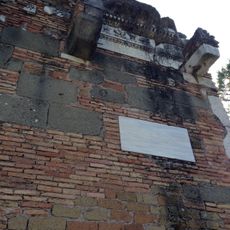
Stone-carved tombs line both sides of the ancient roadbed, built by families who wanted their dead remembered by everyone traveling past. Two major catacombs beneath the surface hold thousands of early Christian burials arranged in corridors that extend for miles underground.
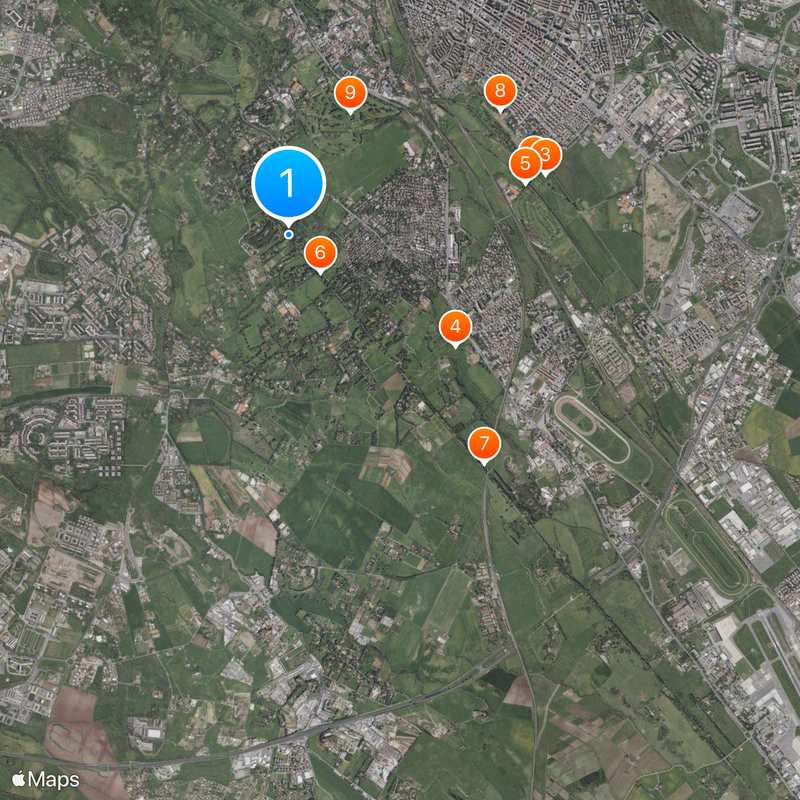
The road begins at Porta San Sebastiano, reachable by metro and bus from central Rome; bicycle rentals near the gate make the long route easier to cover. The first kilometres out of the city keep the best-preserved basalt paving and monuments, while later stretches are rougher and harder to walk.
Procopius wrote that the road's stones fit so tightly they seemed to have grown together rather than been laid by hand. The surface was cambered toward the middle so rainwater ran off into flanking ditches held by retaining walls.
The community of curious travelers
AroundUs brings together thousands of curated places, local tips, and hidden gems, enriched daily by 92,163 contributors worldwide.