Janiculum, Hill in historic centre of Rome, Italy
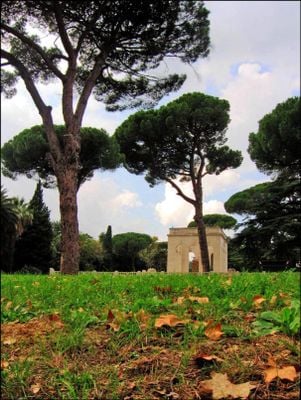
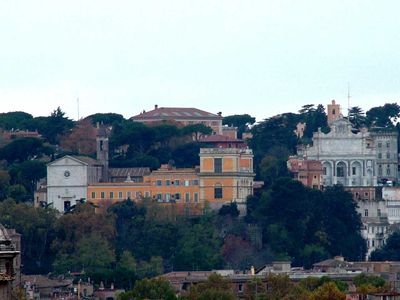
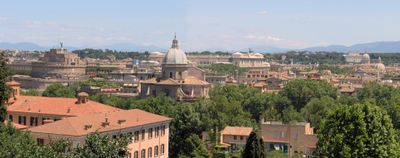
The Janiculum is a hill in the historic centre of Rome, rising 82 meters above sea level west of the Tiber. From its summit, a wide view stretches over the rooftops, domes and towers of the city.
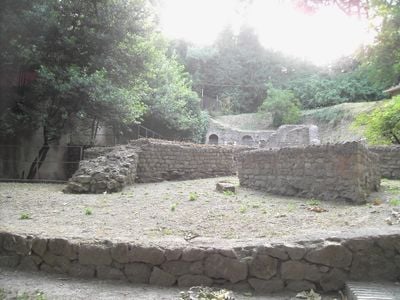
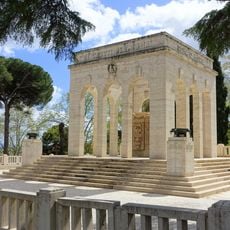
The hill served as a key defensive position during the 1849 siege, when Giuseppe Garibaldi led troops against French attackers of the Roman Republic. These events shaped the landscape with monuments and memorials recalling the fighting.
The daily cannon firing at noon from the hill continues a tradition from 1847, marking midday for people across the city. Locals recognize this ceremony as a fixed part of Roman daily life and it regularly draws visitors to witness the moment.
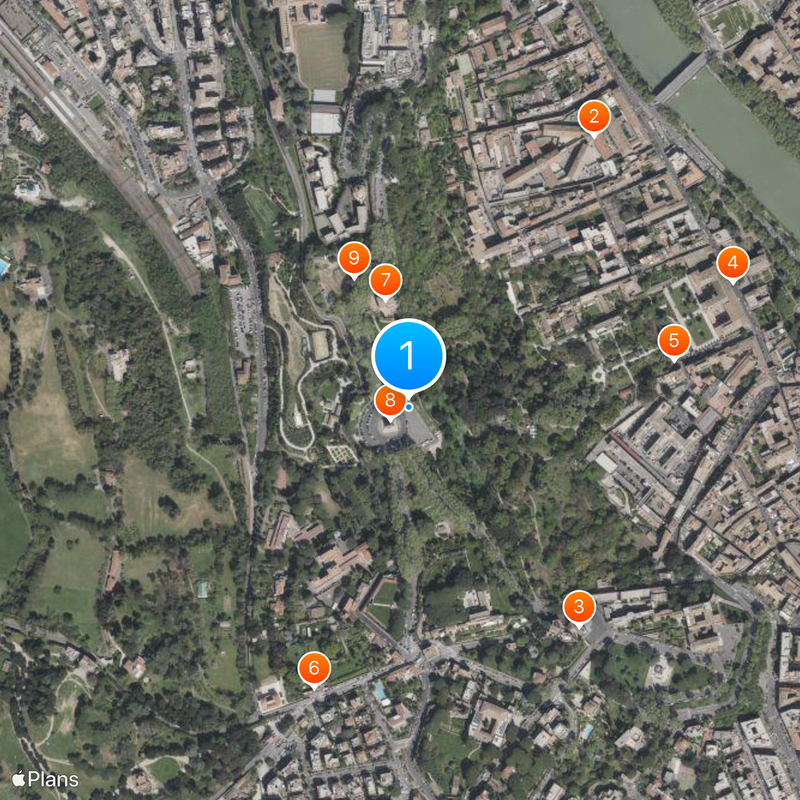
Visitors can use multiple pathways to reach the summit, with the main entrance through Porta Settimiana and along Via Garibaldi to viewing points. The routes are mostly paved but some sections involve steep climbs and uneven ground.
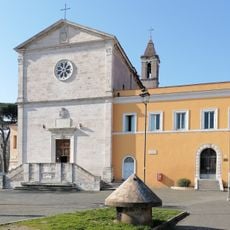
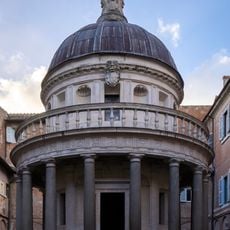
The Tempietto di Bramante in the courtyard of San Pietro in Montorio marks the spot where tradition holds Saint Peter was crucified in ancient times. This small Renaissance chapel is considered a complete example of symmetry and proportion in architecture.
Location: Rome
Elevation above the sea: 82 m
Part of: historic centre of Rome
GPS coordinates: 41.89167,12.46111
Latest update: December 5, 2025 16:31
Rome preserves more than 2,000 years of architectural history within its city limits, maintaining ancient temples and amphitheaters beside Renaissance churches and Baroque piazzas. The Roman Forum displays ruins from the first century BC through the fourth century AD, including government buildings and temples that formed the administrative heart of the Roman Empire. The Pantheon demonstrates Roman engineering with its concrete dome, while the Colosseum remains the largest ancient amphitheater ever built. The city evolved through subsequent centuries as papal patronage transformed medieval Rome into a showcase of Renaissance and Baroque art and architecture. The Vatican holds significant religious and artistic collections, including the Sistine Chapel with Michelangelo's ceiling frescoes and Saint Peter's Basilica, the world's largest church building. Throughout the historic center, public squares like Piazza Navona preserve the footprint of ancient Roman structures while displaying Baroque fountains by Bernini and Borromini. The Trevi Fountain draws thousands of visitors daily to its 18th century facade, and the Spanish Steps connect different elevation levels of the city. Rome's neighborhoods maintain traditional Italian life around these monuments, with restaurants, shops and residences occupying buildings from various historical periods.
Rome joins history with modern photography. The city spreads across several hills and holds buildings from different centuries, from ancient ruins to baroque churches and fountains. Photographers find subjects on every street corner, from large public squares to narrow alleys in old neighborhoods. The Colosseum and Roman Forum show the building techniques of ancient Rome. Trevi Fountain and Piazza Navona present baroque design with flowing water and sculptures. The Spanish Steps serve as a meeting point where people rest on the steps and watch the activity below. The Pantheon has stood for nearly 2,000 years and impresses through its dome with a circular opening at the center. In Vatican City, St. Peter's Basilica rises with its tall dome, and the Vatican Museums contain long galleries filled with artworks. Castel Sant'Angelo stands by the Tiber River and offers a wide view over the city's rooftops from above. Trastevere sits on the other side of the river and shows a different face of Rome: small squares, narrow streets with laundry lines between buildings, and restaurants with tables on the pavement. The church of Santa Maria in Trastevere has a golden mosaic on its facade that glows in the evening light. Campo de' Fiori is a market in the morning with vegetables and flowers, and in the evening the square fills with people. Via Margutta is a quiet street with galleries and plants on the building walls. The Aventine Keyhole shows St. Peter's Dome through a small opening in perfect framing. The Janiculum hill and Villa Borghese Gardens offer green spaces for walking and views over the city. Caracalla Baths and the Appian Way show Rome outside the center, where ancient structures stand in the landscape.
Regina Coeli
488 m
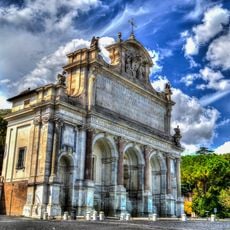
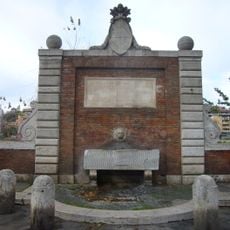
Fontana dell'Acqua Paola
412 m
Palazzo Corsini
435 m
Orto Botanico dell'Università di Roma "La Sapienza"
399 m
Villa del Vascello
438 m
Villa Lante al Gianicolo
163 m
Monument to Giuseppe Garibaldi
32 m
Monument to Anita Garibaldi
208 m
Galleria Nazionale d'Arte Antica di Palazzo Corsini
496 m
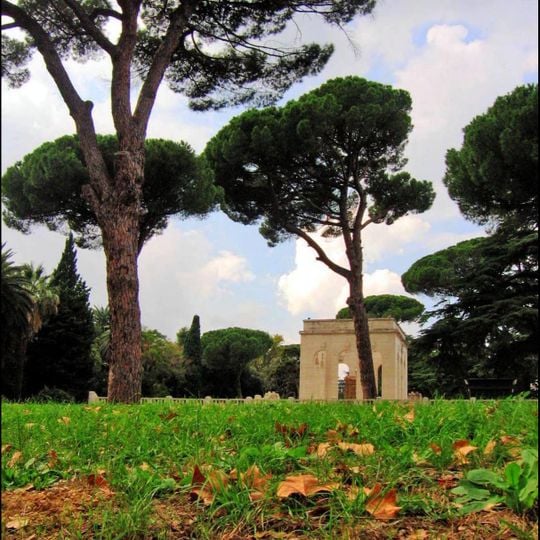
Mausoleo Ossario Garibaldino
417 m
Quercia del Tasso
471 m
Santa Maria dei Sette Dolori, Rome
467 m
Museum of the Roman Republic and Garibaldi Memorial
366 m
Santa Croce alla Lungara
510 m
Sacro Cuore di Gesù a Villa Lante
282 m
Villa Spada al Gianicolo
518 m
House of Memory and History (Rome)
347 m
Villa Gabrielli al Gianicolo
484 m
Villa Aurelia
342 m
Santa Teresa del Bambin Gesù in Trastevere
296 m
Santa Maria della Visitazione e San Francesco di Sales (Rome)
419 m
Santa Maria Assunta al Gianicolo
450 m
Faro di Roma
239 m
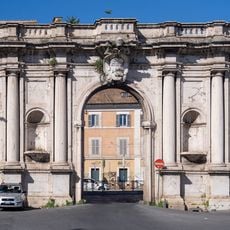
Porta San Pancrazio
361 m
Accademia dei Lincei
500 m
Villa Abamelek
510 m
Domenico Piva bust on the Janiculum
88 m
Cannone di Mezzogiorno
42 mReviews
Visited this place? Tap the stars to rate it and share your experience / photos with the community! Try now! You can cancel it anytime.
Discover hidden gems everywhere you go!
From secret cafés to breathtaking viewpoints, skip the crowded tourist spots and find places that match your style. Our app makes it easy with voice search, smart filtering, route optimization, and insider tips from travelers worldwide. Download now for the complete mobile experience.
A unique approach to discovering new places❞
— Le Figaro
All the places worth exploring❞
— France Info
A tailor-made excursion in just a few clicks❞
— 20 Minutes