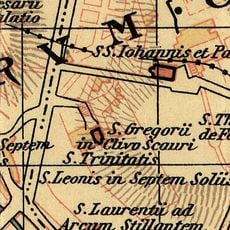
Temple of Bona Dea, building in Rome, Italy
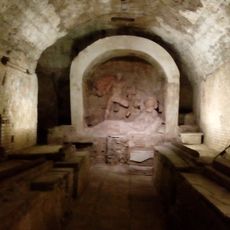
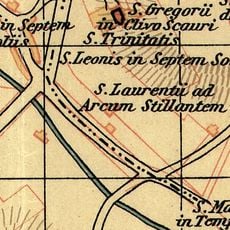
The Temple of Bona Dea was an ancient Roman sanctuary located at the northern end of the Aventine Hill, positioned below a section of elevated ground called Saxum. The structure contained medicinal herbs and allowed snakes to move freely within its precincts, reflecting its association with healing and renewal.
The temple likely originated during a period when Greek deities were being incorporated into Roman religion, blending local traditions with Hellenic influences. It was later restored by Emperor Augustus's wife Livia and again during Hadrian's reign, with the sanctuary remaining visible through the 4th century before disappearing from the archaeological record.
Bona Dea was revered as a goddess of healing, fertility, and protection, with worship centered exclusively on women who gathered for private rituals away from male presence. Her temple represented a sacred space where women could honor their own spiritual needs and maintain secrets central to their community.
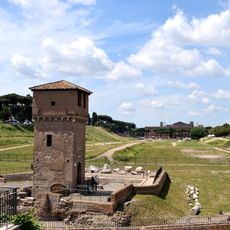
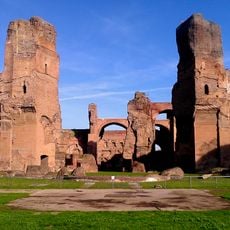
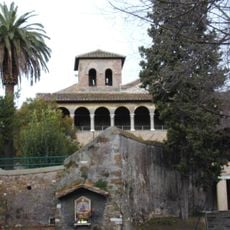
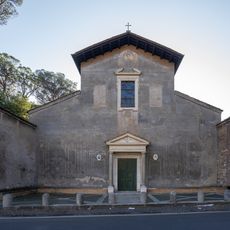
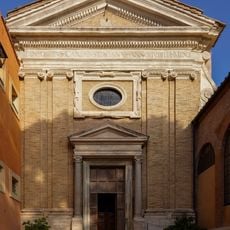
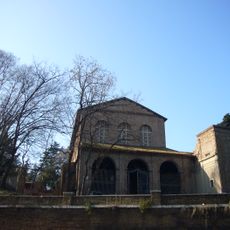
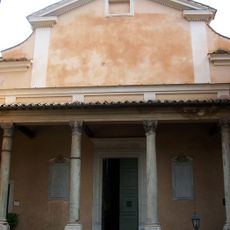
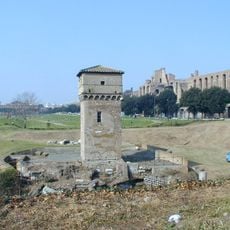
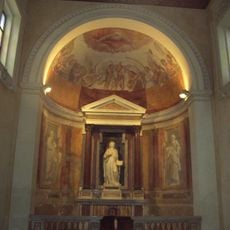
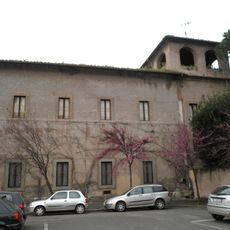
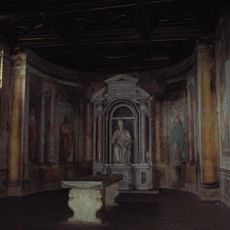
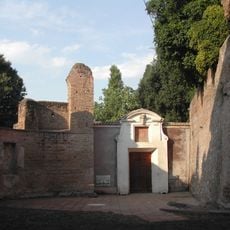
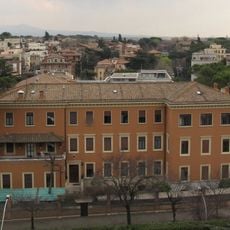
Visitors will find no visible remains of the temple today, as the site lies beneath modern structures and the church of S. Balbina on the Aventine. Understanding this location depends on historical accounts and archaeological references rather than any surviving physical elements.
In 62 BCE, a scandal erupted when the politician Clodius Pulcher disguised himself as a woman and secretly entered the sacred winter festival at Caesar's house. This violation of the holy rites caused major controversy and led Caesar to divorce his wife, famously stating that Caesar's wife must be above suspicion.
The community of curious travelers
AroundUs brings together thousands of curated places, local tips, and hidden gems, enriched daily by 92,462 contributors worldwide.