Acqua Vergine, Roman aqueduct in eastern Rome, Italy
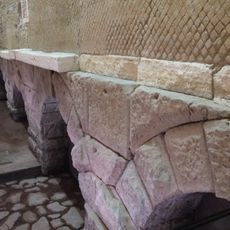
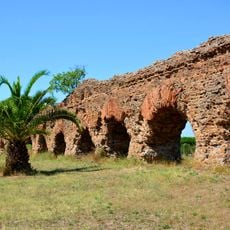
Acqua Vergine is a Roman aqueduct system in Rome that runs mostly underground but partly on elevated stone arches throughout the city. The network supplies water to major fountains and public water points across different neighborhoods.
Marcus Vipsanius Agrippa built the original aqueduct in 19 BC to supply water to public baths in the ancient Campus Martius area. The system expanded over centuries and continues to serve Rome with water down to the present day.
The name comes from a young girl who guided Roman soldiers to natural springs during their search for clean water. This story remains part of how Romans think about this ancient water system today.
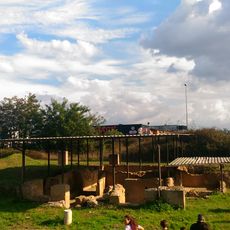
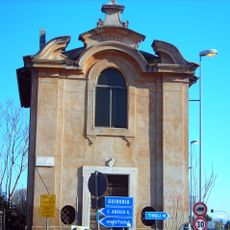
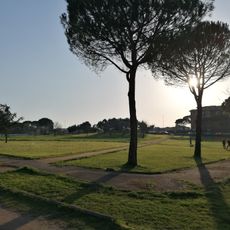
The system is visible in different ways throughout the city: through fountains at street corners, on stone arches in some areas, and at water points in parks and squares. Walking through different neighborhoods helps you see how the water flows and where the main distribution points are.
The water from this source contains no chalk deposits, making it one of the purest water supplies in Rome for over two thousand years. This natural purity was one of the main reasons the system thrived and expanded across the city for so long.
The community of curious travelers
AroundUs brings together thousands of curated places, local tips, and hidden gems, enriched daily by 91,257 contributors worldwide.