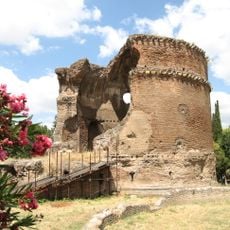
Casale della Cervelletta, Medieval palace with tower in Valle dell'Aniene Reserve, Rome, Italy.
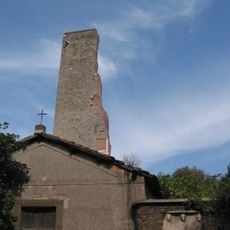
Casale della Cervelletta is a medieval palace situated within the Valle dell'Aniene nature reserve, consisting of a quadrangular building arranged around a rectangular courtyard and a roughly 30-meter tower topped with battlements. The structure reflects layers of construction and modification spanning several centuries.
The property began as an ecclesiastical holding in the 12th century and subsequently passed to powerful Roman families including the Sforzas before reaching Cardinal Scipione Borghese in the early 1600s. These transfers reflected shifting fortunes and the influence of major Roman dynasties over the surrounding territory.
The name Cervelletta may derive from Cervaretto, possibly linked to deer enclosures once kept in the area, or from the tuff quarries and their waste heaps (Latin acervus). In the late 19th century the casale hosted an experimental health station for quinine prophylaxis and treatment of malaria, where the immunologist Angelo Celli and his wife Anna Fraentzel Celli worked; they also promoted literacy campaigns in the Roman countryside.
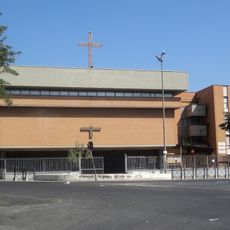
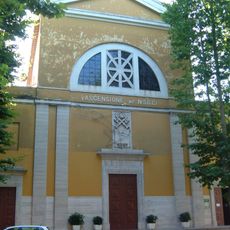
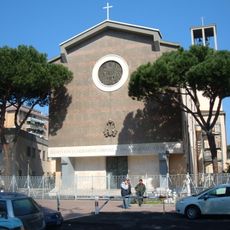
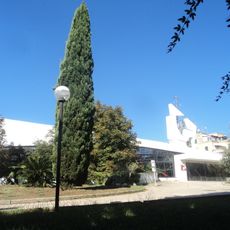
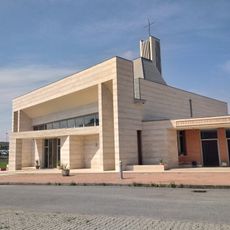
The casale stands on a tuff outcrop in Tor Cervara, at the eastern edge of Rome, 200 m north of the A24 motorway and 1.2 km south of the Aniene. From Via di Tor Cervara, past the church of Santa Maria Immacolata alla Cervelletta, a small road turns left and leads to the complex. The buildings are not open to the public, so the visit is limited to the exterior and the surrounding reserve.
The medieval tower, about 30 metres high, still shows the remains of arrow slits and of the brackets that once supported wooden walkways, evidence of its original role as a watchtower and seat of jurisdiction. The main house kept the Borghese coat of arms above the central upper window until 1950.
The community of curious travelers
AroundUs brings together thousands of curated places, local tips, and hidden gems, enriched daily by 94,065 contributors worldwide.