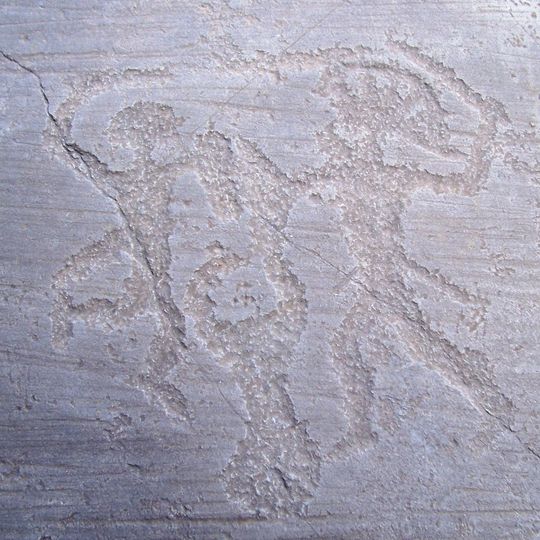
Rock drawings in Valcamonica, Prehistoric rock art site in Valcamonica, Italy.
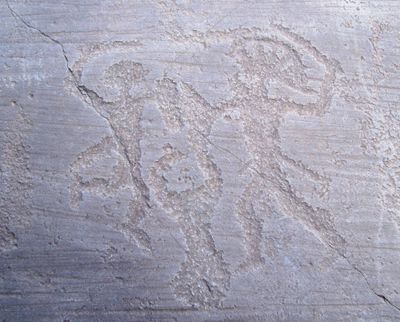
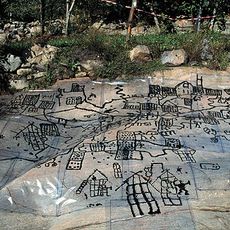
Rock drawings in Valcamonica is a collection of more than 140,000 carved images spread across multiple locations in the valley. These scenes portray daily activities, weapons, religious symbols, and various human pursuits from ancient times.
The rock carvings were created over thousands of years, beginning around 8,000 years ago and continuing through the Bronze, Iron, and Roman ages. This collection records the extended human habitation of the Alpine region and how societies evolved during these periods.
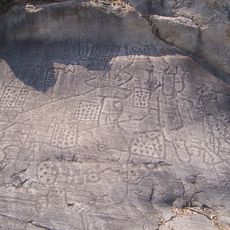
In the local Camunian dialect the engravings are called pitoti, meaning puppets or dolls. The best-known symbol is the Rosa camuna, a rosette-like figure adopted as the official emblem of Lombardy. Many images work as ideograms, standing for the idea of a thing rather than the object itself.
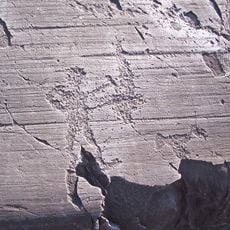
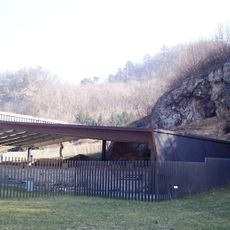
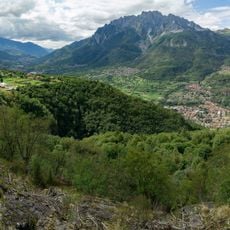
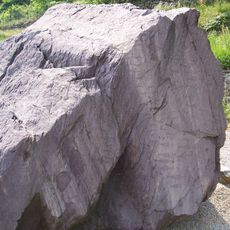
The engravings lie on about 2,000 rocks in over 180 locations across 24 municipalities, with eight equipped parks concentrated around Capo di Ponte, Ceto, Cimbergo, Paspardo, Sonico, Sellero, Darfo Boario Terme and Ossimo. Surfaces are subglacially smoothed bedrock and glacial erratics; the pecked lines read best in raking light, so look for the lighter, rougher grooves rather than painted marks.
The engravings were made with the martellina, a hammer-like tool struck to leave small circular holes in the rock; a smaller number were scratched with the graffito technique. In the local Camunian dialect the petroglyphs are called pitoti, meaning puppets or dolls.
The community of curious travelers
AroundUs brings together thousands of curated places, local tips, and hidden gems, enriched daily by 94,962 contributors worldwide.