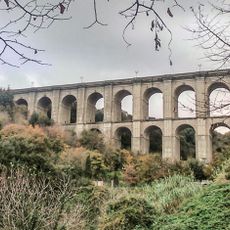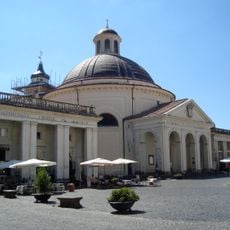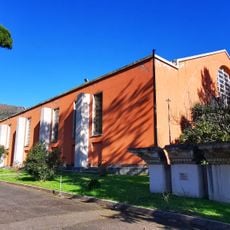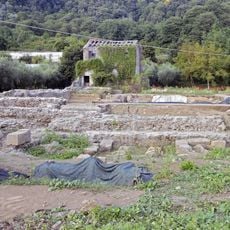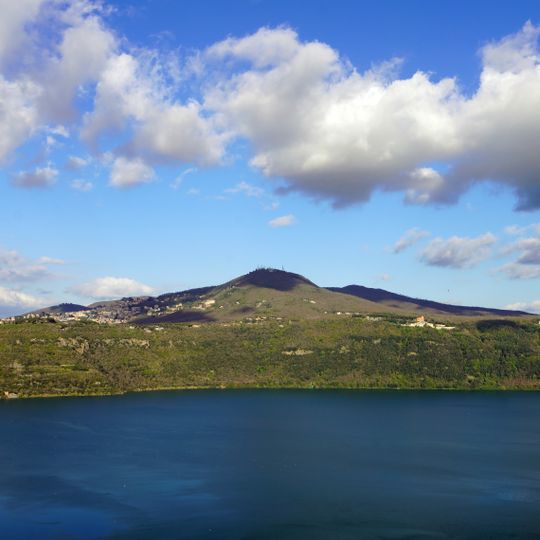
Alban Hills, Volcanic mountain range in Lazio, Italy.
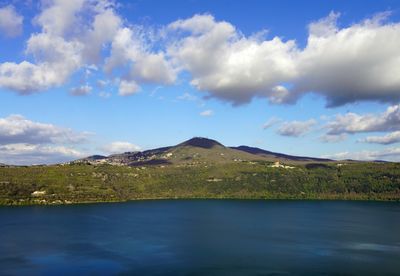
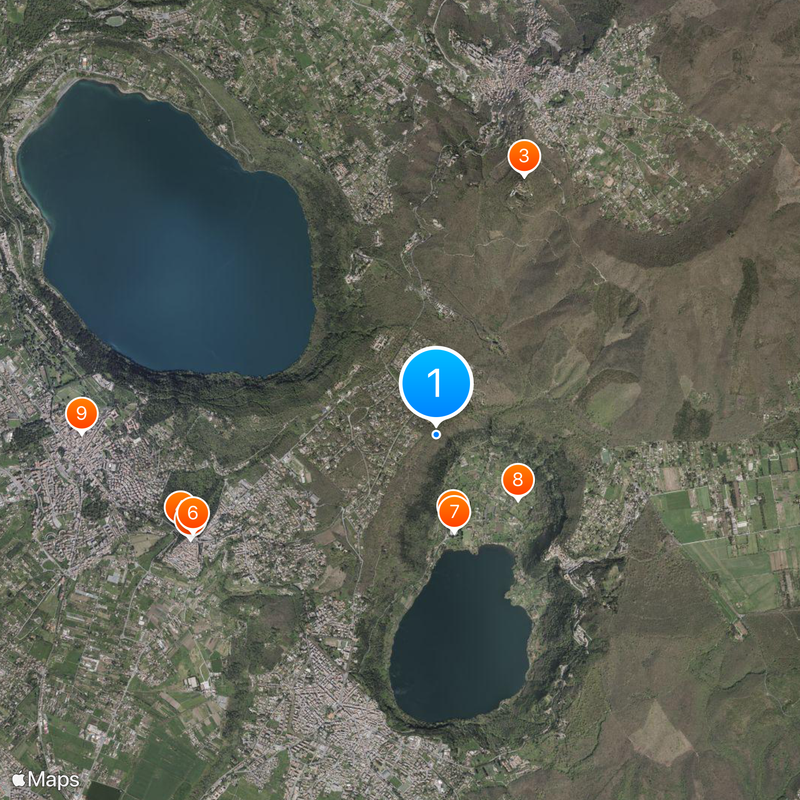
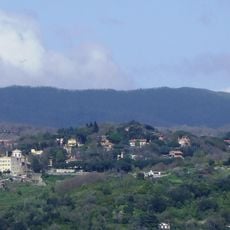
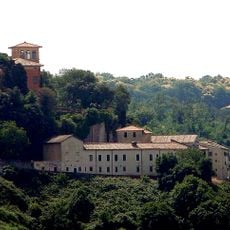
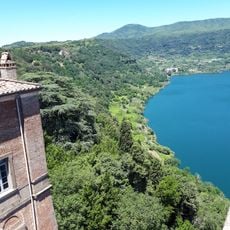
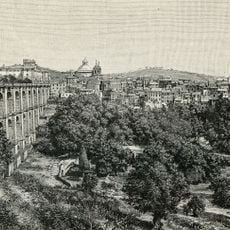
The Alban Hills form a circular volcanic complex with prominent peaks located southeast of Rome, spreading across several towns and villages. The landscape shows typical volcanic features with steep slopes, crater lakes, and forested areas that shape how the hills appear and are organized.
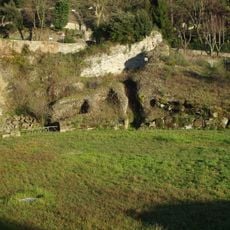
The area was settled during the Iron Age and held important ancient communities before Rome rose to dominance in the region. As Roman power grew, these early settlements were gradually absorbed into the Roman sphere, reshaping how people lived in the hills.
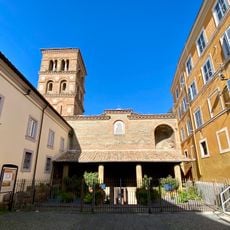
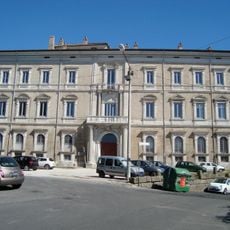
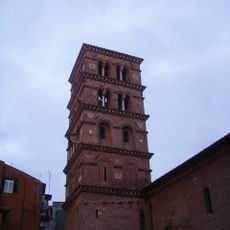
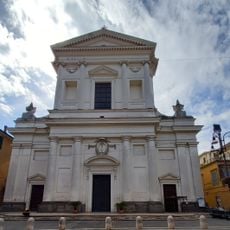
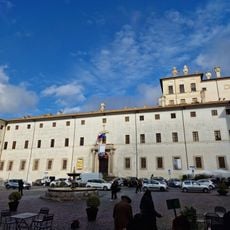
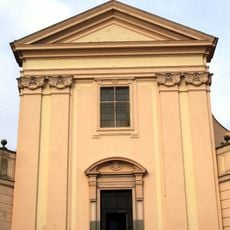
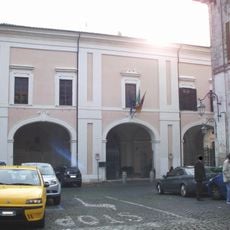
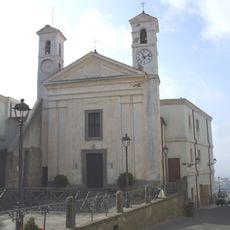
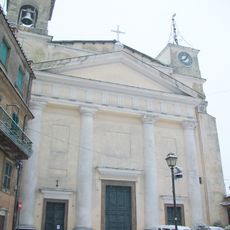
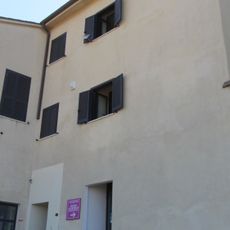
These hills were a place of power and leisure for wealthy Romans who built their country retreats here in ancient times. Today, small villages scattered across the slopes still reflect this heritage through local architecture and how people use the villages as quiet escapes from the city.
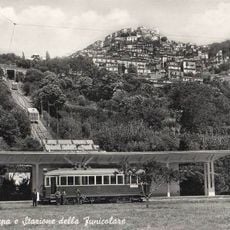
A railway network connects Rome to several towns within the hills, offering different starting points for exploration and visits. Wear sturdy shoes and bring water, as paths can be uneven and walking is the best way to experience the landscape.
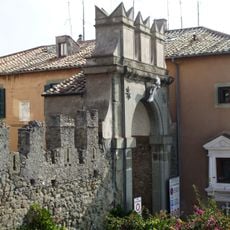
The volcanic soil produces peperino, a distinctive tuff stone that has been used in construction since ancient times and creates mineral-rich conditions for local vineyards. This stone is visible in many old buildings throughout the region and adds character to the wines grown here.
The community of curious travelers
AroundUs brings together thousands of curated places, local tips, and hidden gems, enriched daily by 90,754 contributors worldwide.