Pons Sublicius, Roman bridge in the historic area of Rome, Italy
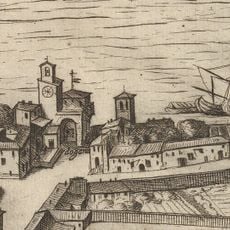
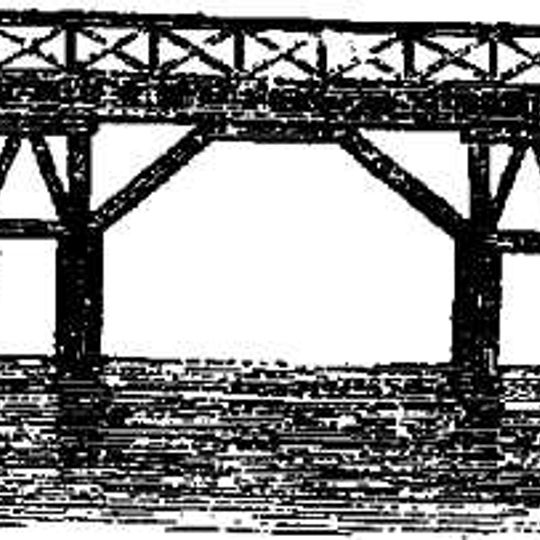
Pons Sublicius was a crucial bridge spanning the Tiber River in ancient Rome, first constructed from timber and later rebuilt multiple times. The structure connected the city and its inhabitants across the water, serving as an essential route for daily passage.
The bridge is credited to King Ancus Marcius around 600 BC and ranks among Rome's oldest crossings. Over centuries it was repeatedly destroyed and rebuilt until it eventually disappeared from the landscape.
The bridge served as a sacred site where Romans performed the Lemuria ritual, throwing straw effigies into the river to ward off evil spirits. These ceremonies show that the crossing held deep religious meaning beyond its role as a thoroughfare.
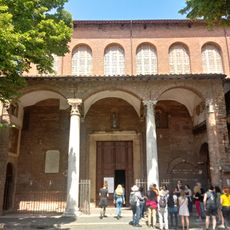
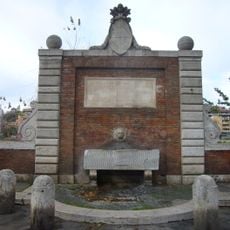
No original remains of the bridge are visible today, as it was completely rebuilt in the early 20th century. Visitors can only explore the site through knowledge of its history, without physical remnants of the ancient structure.
The name derives from 'sublica,' a Volscian term for wood planks, reflecting its original construction from timber. This nomenclature shows how Romans named their structures after the materials they used.
The community of curious travelers
AroundUs brings together thousands of curated places, local tips, and hidden gems, enriched daily by 92,763 contributors worldwide.