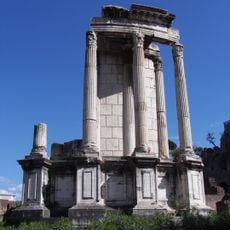
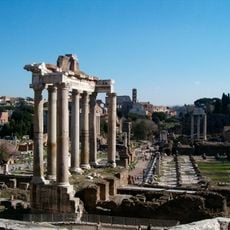
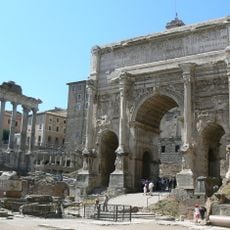
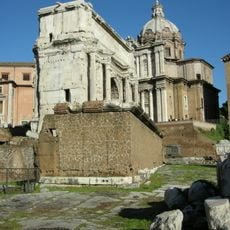
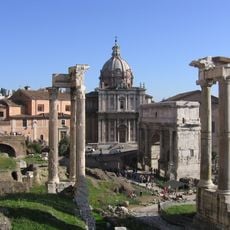
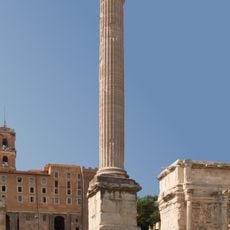
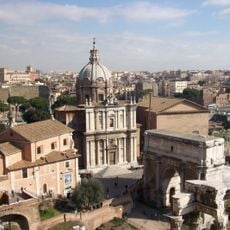
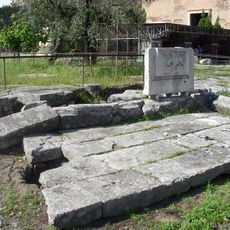
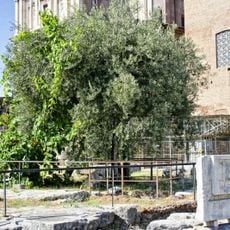
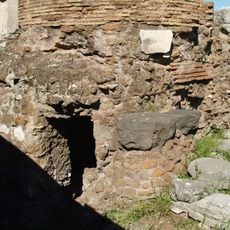
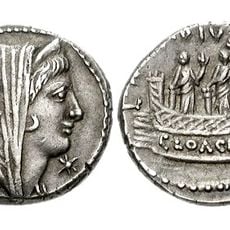
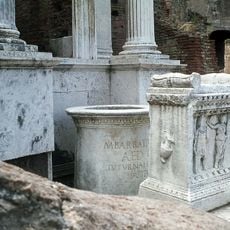
Roma, Archaeological site in Rome, Italy
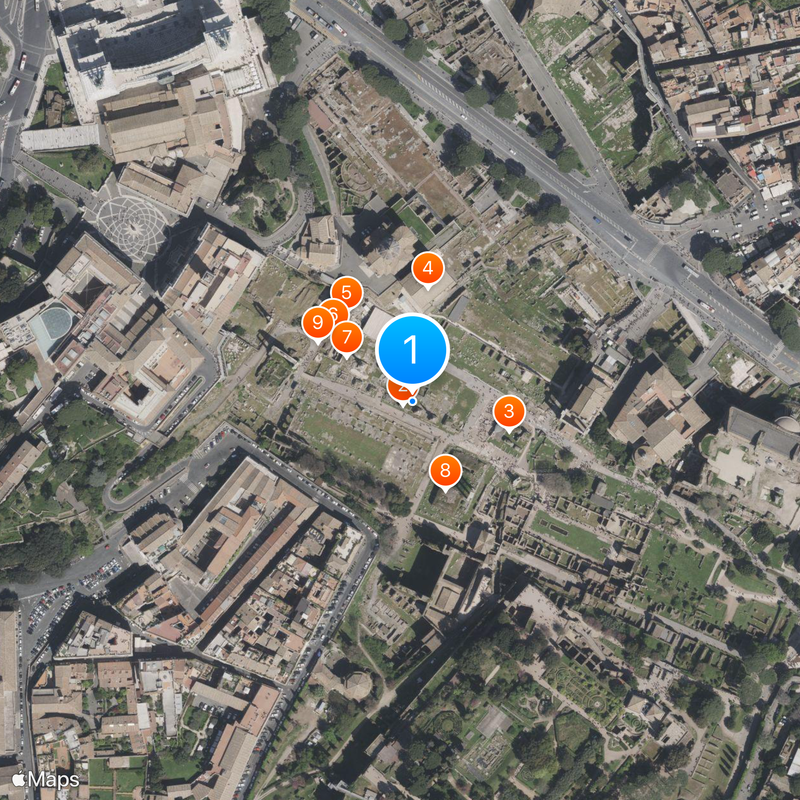
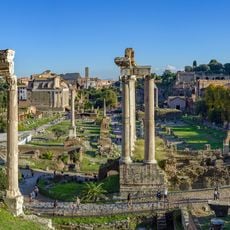
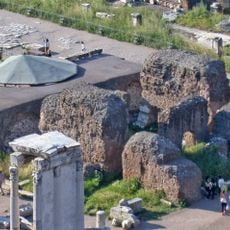
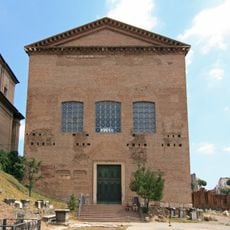
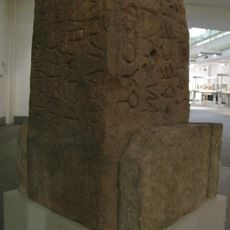
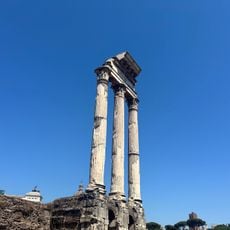
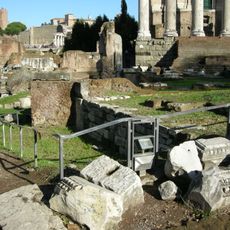
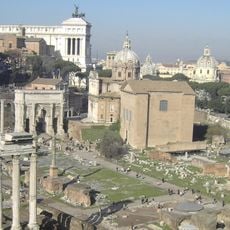
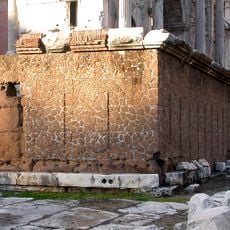
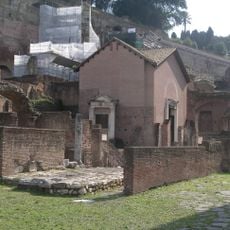
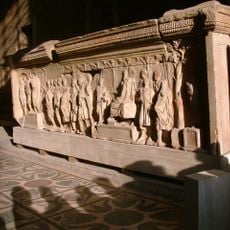
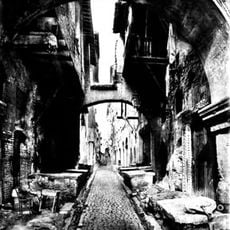
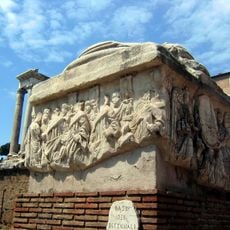
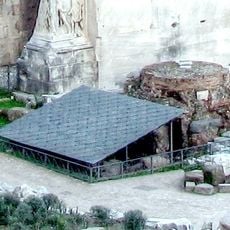
Roma is an archaeological site in the Italian capital, spread across seven hills along the Tiber with temple remains, public baths and former squares. The area includes the forums, the Palatine and sections of the old city wall interrupted by modern streets.
The settlement appeared in the eighth century BCE on the Palatine and grew gradually into a metropolis that ruled a wide territory between Britannia and Egypt. Emperors enlarged the forums and raised new temples until the fourth century CE, before the seat moved to Byzantium.
The name comes from an Etruscan word that may have referred to the river, shaping how the entire city sees itself today. Locals walk daily through alleys and squares built on foundations from the imperial era, often without giving it much thought.
You need several days to explore the site properly, as steps, hills and uneven ground require solid shoes. Shade is sparse, so early mornings or late afternoons work best in summer for long walks.
Beneath the streets lie unexcavated layers from earlier centuries that archaeologists discover at every new building site. Some cellars of today's houses reach down into rooms from the imperial period.
The community of curious travelers
AroundUs brings together thousands of curated places, local tips, and hidden gems, enriched daily by 91,883 contributors worldwide.