Foreste Casentinesi, Monte Falterona, Campigna National Park, National park and UNESCO World Heritage Site in Tuscany and Emilia-Romagna, Italy
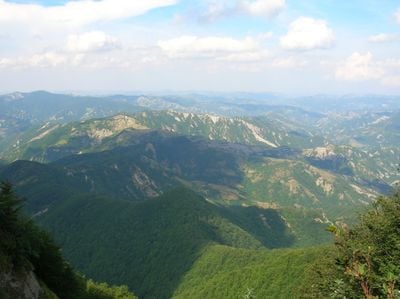
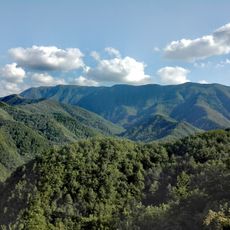
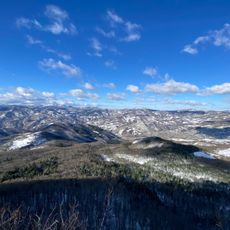
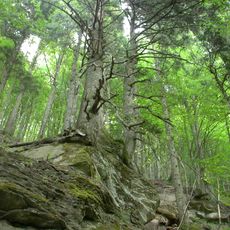
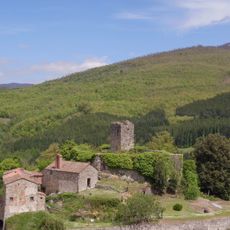
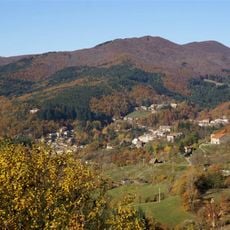
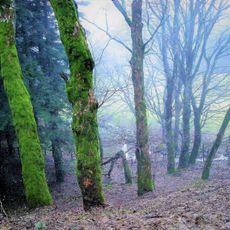
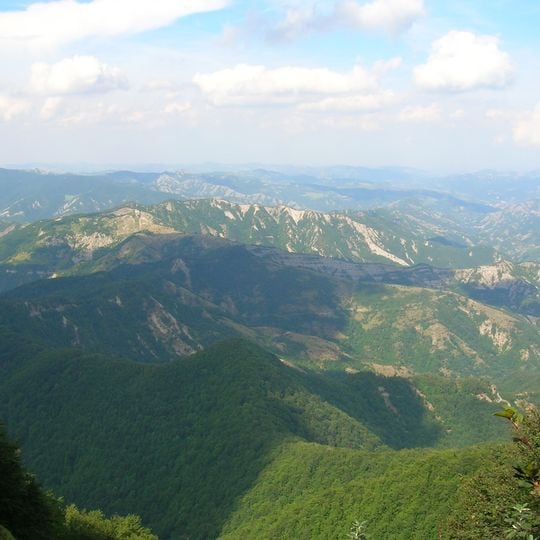
The Foreste Casentinesi, Monte Falterona, Campigna National Park covers about 368 square kilometres along the Apennine watershed between Romagna and Tuscany, from 400 m up to Monte Falco at 1,658 m. The ridge drops steeply into parallel Romagna valleys and more gently toward the Casentino and the Arno valley. About 80% is woodland, with beech, chestnut, hornbeam and white fir; the Romagna side is marly sandstone, the Tuscan side macigno.
The Sasso Fratino Reserve became Italy's first protected natural area in 1959, forming the foundation for this park established in 1993. International recognition as a World Heritage Site came later, affirming decades of conservation efforts in the region.
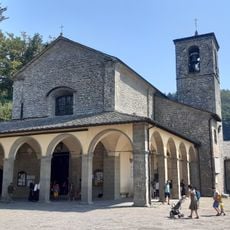
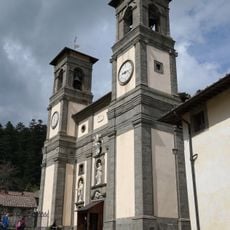
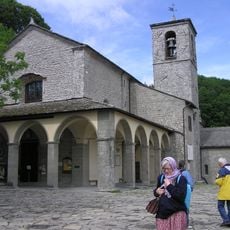
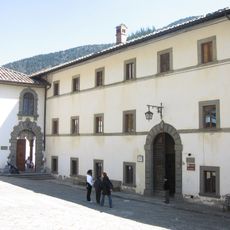
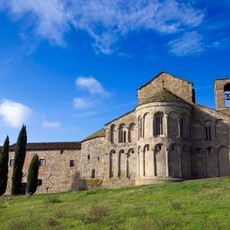
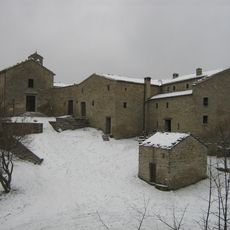
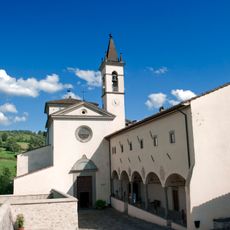
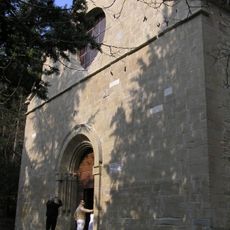
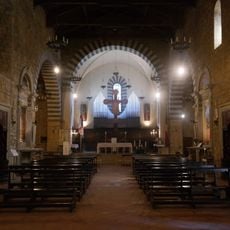
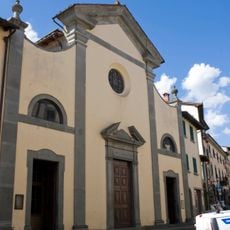
Camaldoli monastery was founded by San Romualdo in 1012 and La Verna sanctuary by San Francesco d'Assisi in 1213, both within the forests. The Camaldolese monks managed the woods for centuries, and their pharmacy, founded in 1046, still prepares remedies from park plants. Visitors can see the monks' cells and the forest that supplied Florence's Opera del Duomo with timber.
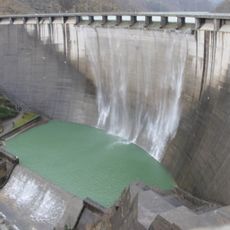
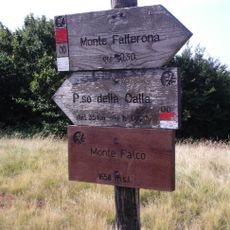
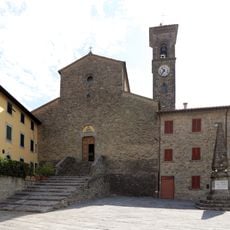
The park is split between the Romagna side, where the ridge drops steeply into parallel valleys, and the gentler Tuscan slopes of the Casentino. Trails start from villages such as Badia Prataglia, Camaldoli, Corniolo and San Benedetto in Alpe. The Acquacheta waterfall drops about 80 m, and the Ridracoli dam holds roughly 33 million cubic metres of water.
The park protects the headwaters of the Arno and Tiber rivers, two of Italy's most important waterways that originate here. This role as a water source makes the territory crucial to the geography and ecology of central Italy.
The community of curious travelers
AroundUs brings together thousands of curated places, local tips, and hidden gems, enriched daily by 95,515 contributors worldwide.