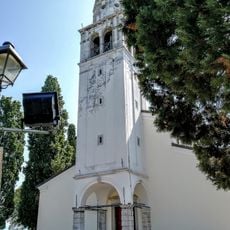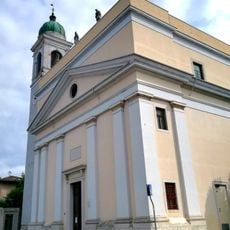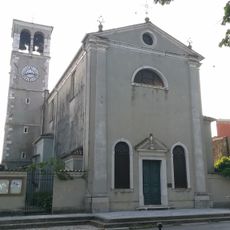
Aquileia, ancient Roman city now Aquileia, Province of Udine, Friuli–Venezia Giulia, Italy
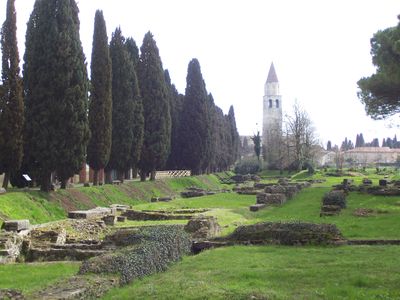
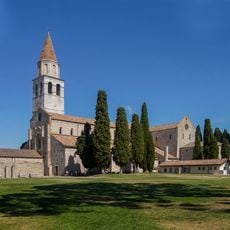
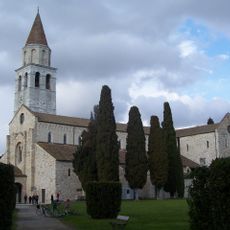
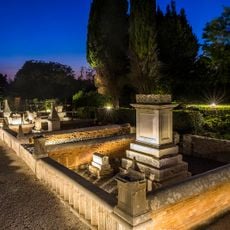
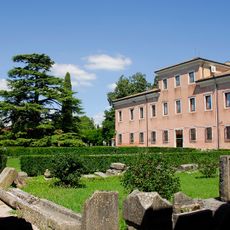
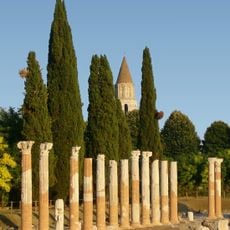
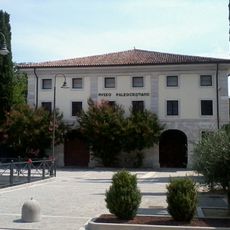
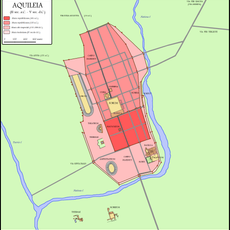
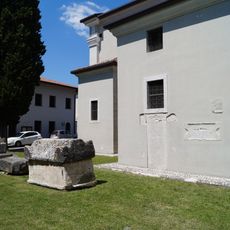
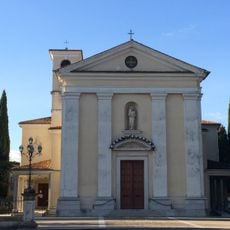
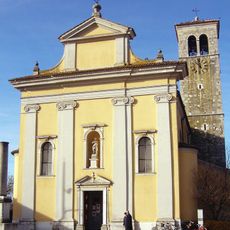
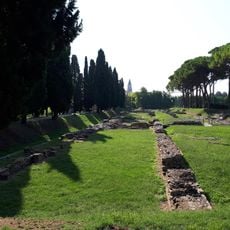
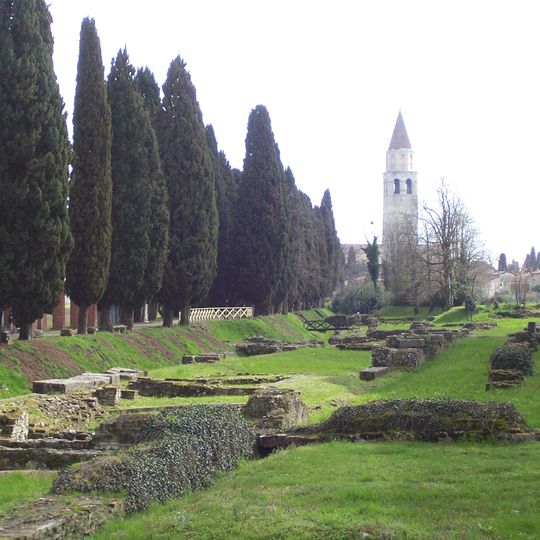
Aquileia is an ancient city in northeastern Italy that survives today primarily as an archaeological site, with ruins of streets, houses, and public buildings revealing its past as a major Roman trading hub. A large basilica dominates the town, featuring mosaics of different periods on its floor, while a museum preserves statues, inscriptions, and glassware from the Roman era.
Aquileia was founded in 181 BCE by the Romans as a strategic fortress and trading point near important trade routes. In 452 CE, the city was severely damaged by Attila the Hun, but it was rebuilt and remained a significant religious center during the Middle Ages under the authority of a patriarch.
The name Aquileia derives from the Latin word for eagle, reflecting its Roman military origins. Today, the basilica with its ancient mosaics serves as a living reminder of the city's role as an early Christian center, where people gathered for worship and spiritual life throughout the centuries.
The town has flat, easy-to-walk streets and most archaeological sites are outdoors, allowing visitors to move freely through the remains. Hotels, restaurants, and shops are small and scattered, so it helps to obtain a map or guide beforehand to locate the various ruins and the basilica.
The basilica contains mosaics built in multiple layers, with each layer revealing a different era, allowing visitors to literally see several centuries in a single floor. These layered floors are rare and show how people lived and built on the same spot over extended periods.
The community of curious travelers
AroundUs brings together thousands of curated places, local tips, and hidden gems, enriched daily by 92,783 contributors worldwide.