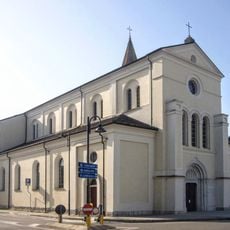
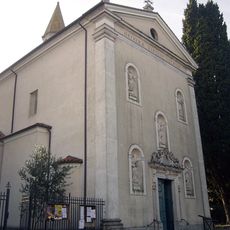
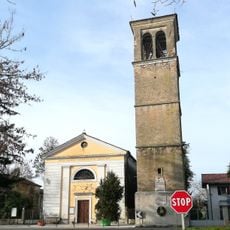
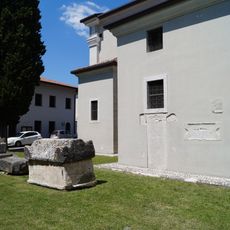
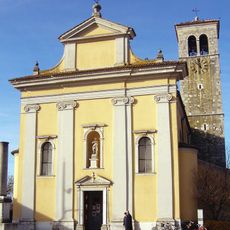
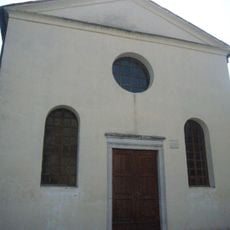
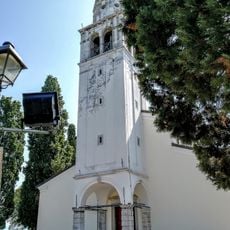
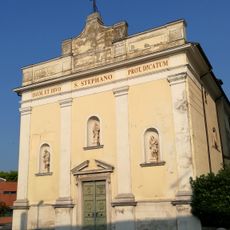
Museo paleocristiano, Archaeological museum in Monastero, Aquileia, Italy
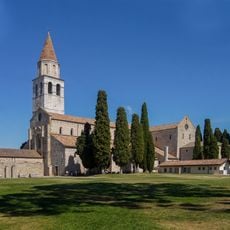
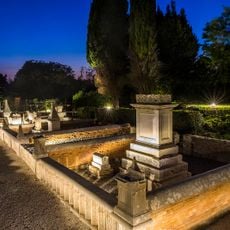
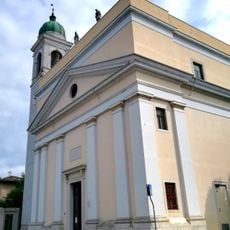
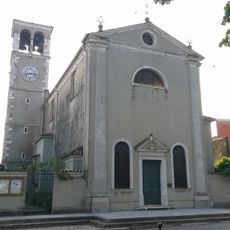
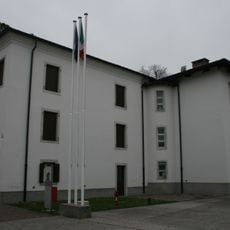
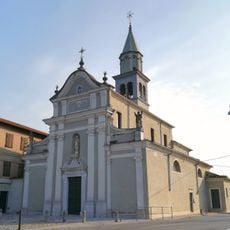
The Museo Paleocristiano in Aquileia houses a collection of early Christian mosaics, stone carvings, and funerary monuments within the Monastero di Santa Maria complex. The exhibition displays multicolored floor mosaics and Christian burial monuments that document the religious life of the early Christian community.
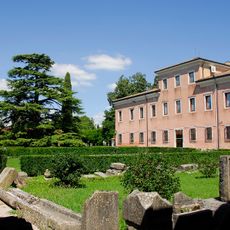
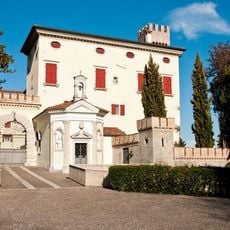
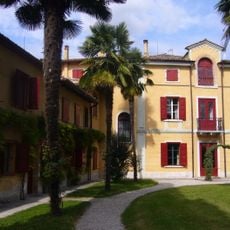
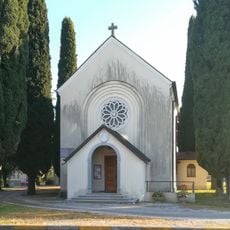
The monastery of Santa Maria was founded in the 7th century under Patriarch John I, destroyed by the Hungarians in the 10th century and refounded by Patriarch Poppo in the 11th. A decree of 30 October 1782 abolished it under Joseph II's reforms, and the nuns moved to Cividale. The church later became a wine-making folador, where finds in 1895 led to the museum's opening in 1961.
The atrium holds a 4th-century Coptic mensa, a flat offering table, not an altar with twelve stools. On the first floor, a reconstructed apse mosaic from the Beligna basilica near Aquileia, made around 390, shows twelve lambs around a peacock within vine scrolls, standing for Christ and the Apostles.
The museum is arranged over three levels: ground floor, first floor and second floor. A raised walkway lets visitors look down on the excavated mosaic floors of the 4th-century basilica, and the two upper floors cover only part of the nave, so the remains below can also be seen from above like a balcony. The entrance is free.
The collections contain multicolored mosaic floors from the Fondo Tullio basilica in Beligna that display rare patterns from early Christian architecture. These floors survived the centuries and offer today's visitors rare glimpses into ancient craftsmanship techniques.
The community of curious travelers
AroundUs brings together thousands of curated places, local tips, and hidden gems, enriched daily by 93,005 contributors worldwide.