Aquileia, Archaeological site in Friuli-Venezia Giulia, Italy
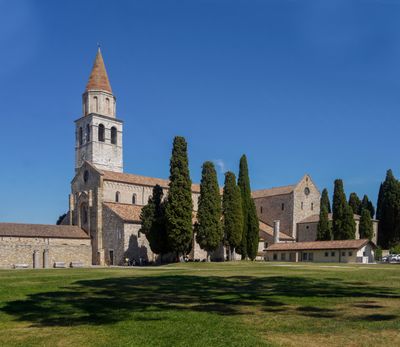
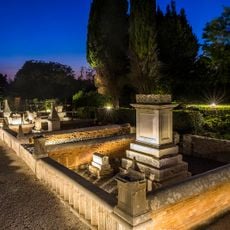
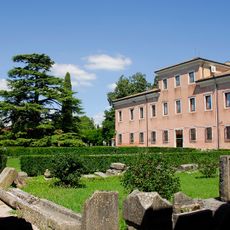
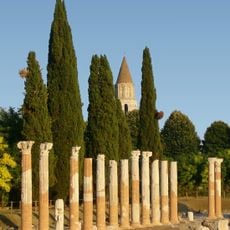
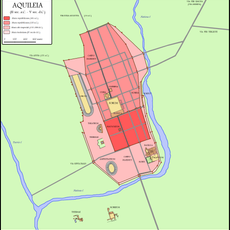
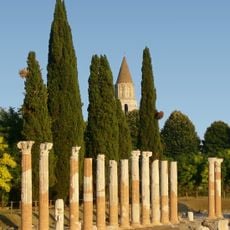
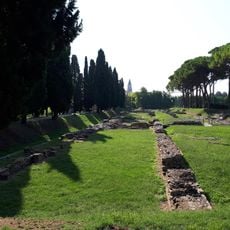
Aquileia is an archaeological site in the Friuli-Venezia Giulia region of northeastern Italy, where excavations have uncovered the forum, residential quarters, and public buildings of an ancient port city. The ruins extend across several hectares and reveal the urban planning and construction methods of Roman Mediterranean culture.
The city was founded in 181 BC as a Roman colony and grew into a major trading center with connections throughout the Mediterranean basin. The Hunnic king Attila destroyed it in 452, marking the end of its role as an economic hub.
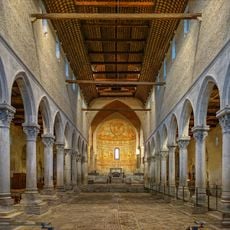
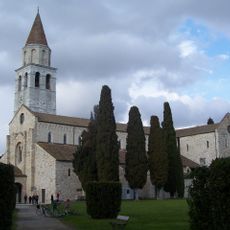
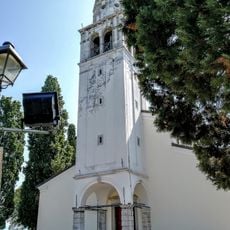
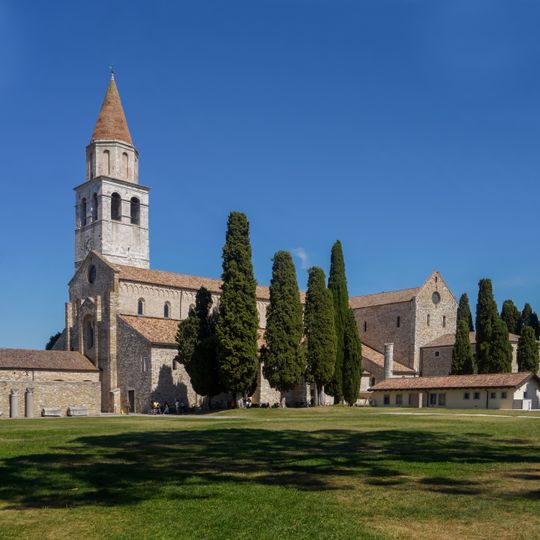
The cathedral displays fourth-century floor mosaics featuring religious scenes and early Christian symbols across more than 750 square meters. These artworks rank among the best-preserved examples of early Christian art in Italy and show biblical episodes and animal motifs.
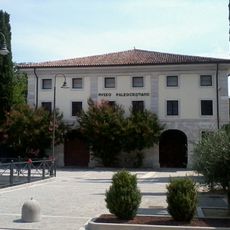
The national archaeological museum holds more than 2,000 Roman finds including sculptures, coins, and inscriptions from imperial times. The excavations and cathedral lie within a small town that can be explored on foot.
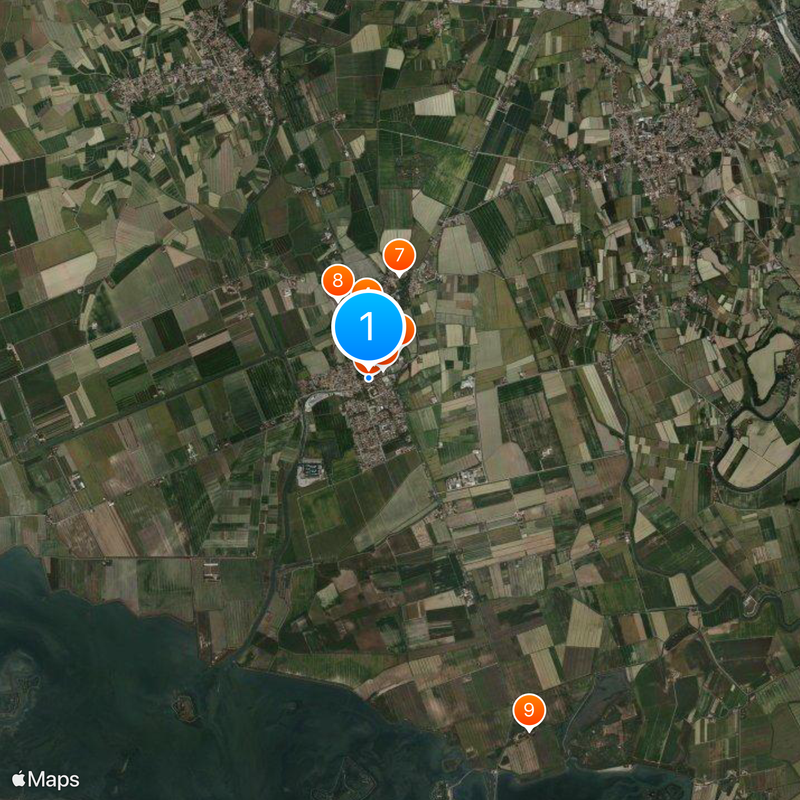
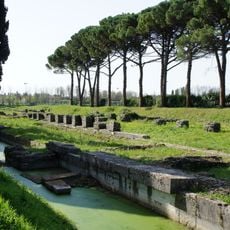
The remains of Roman port facilities along the Natiso River show the engineering skills that enabled maritime trade across the Mediterranean. Today the excavated quays run parallel to modern fields and vineyards.
The community of curious travelers
AroundUs brings together thousands of curated places, local tips, and hidden gems, enriched daily by 92,574 contributors worldwide.