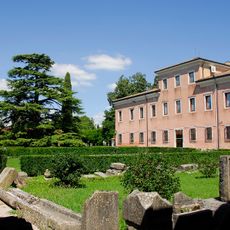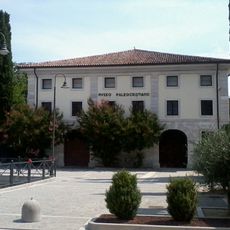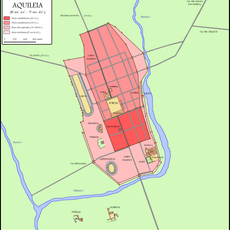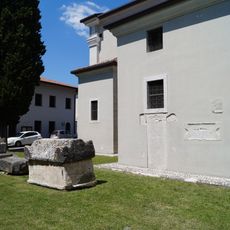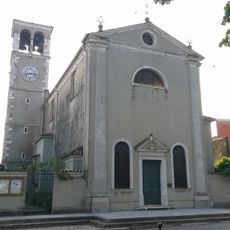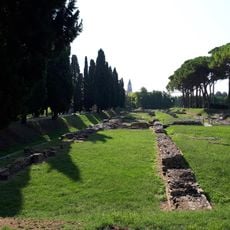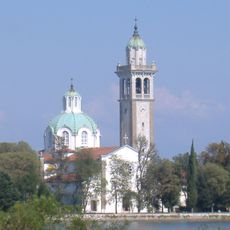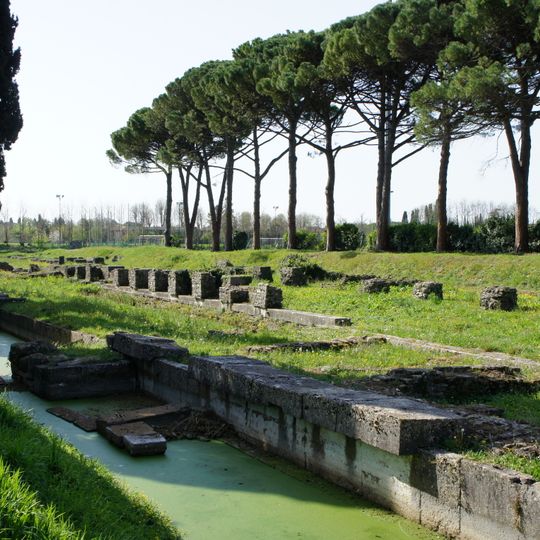
Aquileia fluvial harbor, Roman archaeological site in Aquileia, Italy.
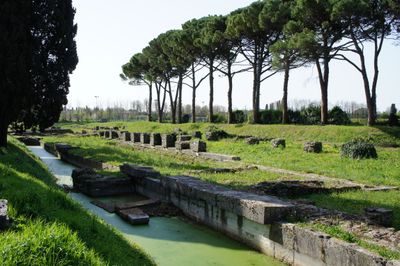
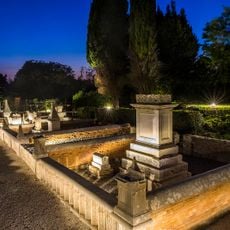
Aquileia fluvial harbor is a Roman port complex with preserved quay walls, warehouses, and loading platforms scattered across the site. The layout reveals how goods moved between vessels and storage areas, and how the waterway connected to trade routes inland.
The port was founded in the 2nd century BCE and grew into the main trading hub linking the Mediterranean with Central Europe. Over centuries it remained vital for long-distance commerce, gradually declining as political and economic conditions changed.
The name Aquileia derives from the river Natisone, which the Romans called Natiso cum Turro; the harbor's quay walls still bear the grooves worn by mooring ropes. Today the site is part of the Aquileia archaeological park, and visitors can see the remains of the river port that once connected the city to the Adriatic and the Po plain.
The site is laid out along marked paths with informational panels explaining the different harbor sections and their purposes. Wear comfortable shoes as you walk over uneven ancient ground, and be aware that the area can become muddy after rain.
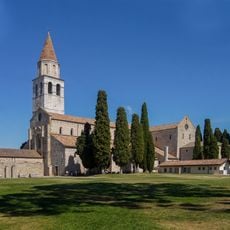
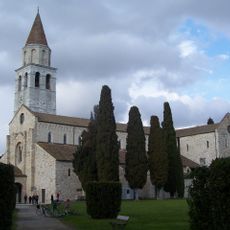
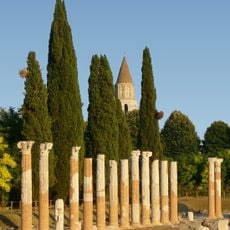
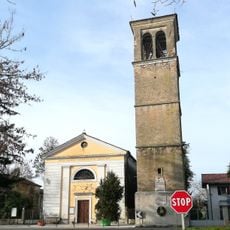
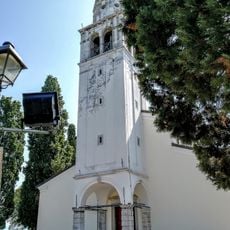
The quay walls along the Natisone still carry the holes where mooring rings were fixed, and the paving of the loading platform shows grooves worn by carts. The site lies beside the basilica's campanile, so the Roman riverbank and the medieval bell tower can be seen in one view.
The community of curious travelers
AroundUs brings together thousands of curated places, local tips, and hidden gems, enriched daily by 95,566 contributors worldwide.