Ancient Capua, Archaeological site in Santa Maria Capua Vetere, Italy
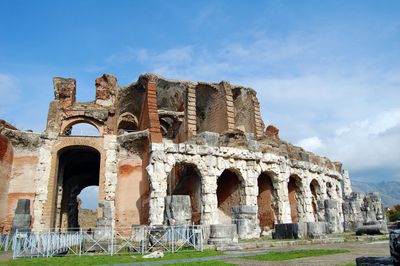
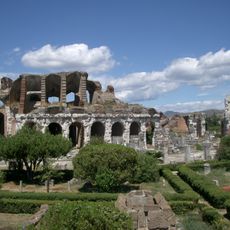
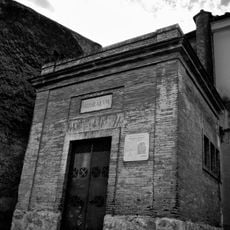
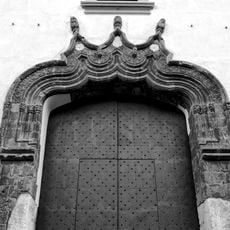
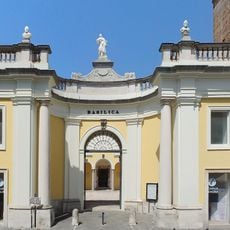
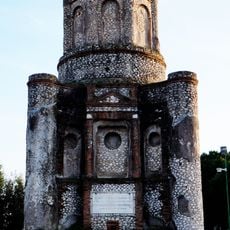
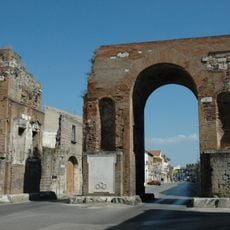
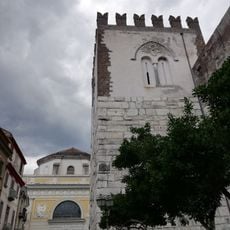
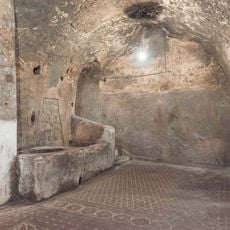
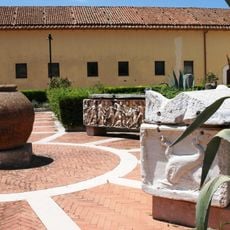
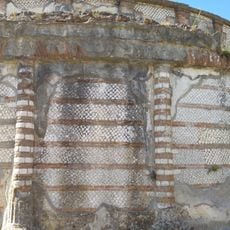
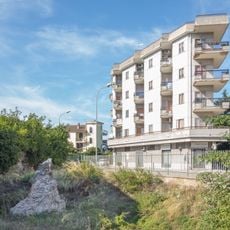
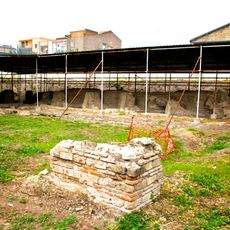
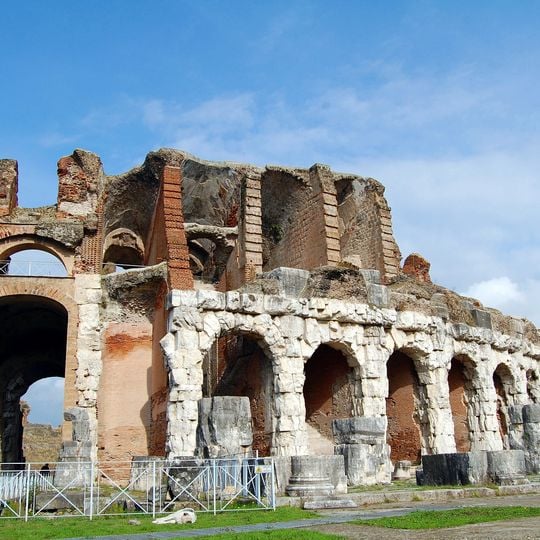
Ancient Capua is an archaeological site in Santa Maria Capua Vetere, in the Campania region, preserving the remains of a major city from Etruscan and Roman times. The surviving structures include a large amphitheater, temples, public baths, and extensive burial grounds spread across several districts of the modern town.
The city was founded around 600 BCE by Etruscans and grew into one of the largest settlements in Italy. After Rome crushed a revolt there in 211 BCE, the city lost much of its power and was gradually replaced by a new town built nearby, which is today's Capua.
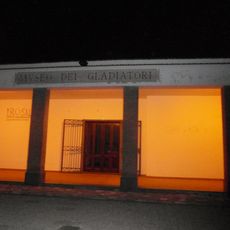
The amphitheater was once the largest gathering place in the region, rivaling the Colosseum in Rome in size. Visitors today can walk through the underground passages where gladiators and animals were held before entering the arena.
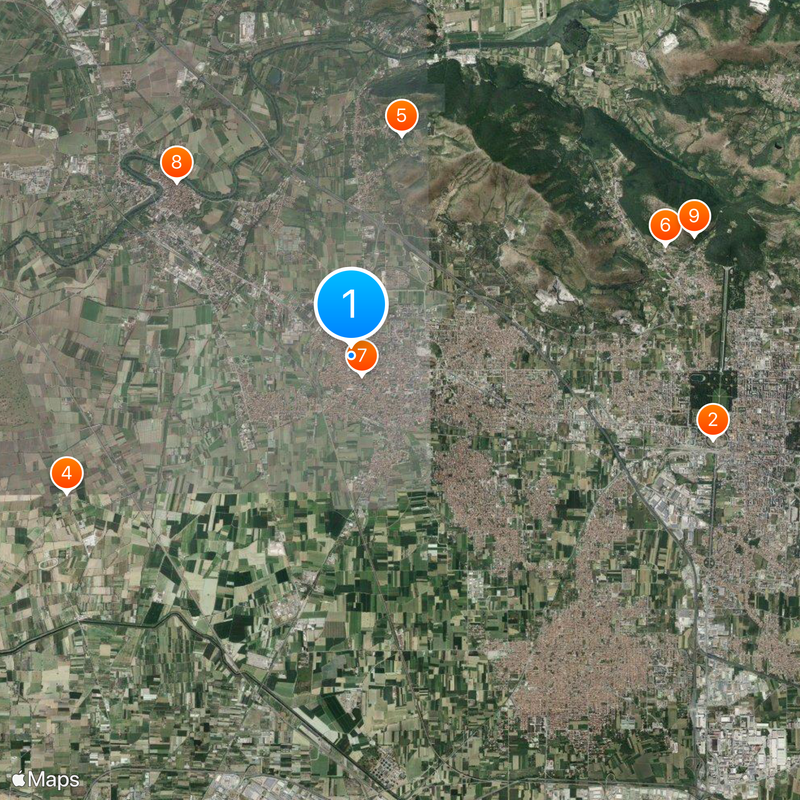
The ruins are divided across several separate areas within the modern town, so it is worth mapping out which sites you want to visit before you arrive. Footwear with good grip is recommended, as some excavated areas have uneven ground and loose stones.
The Tabula Capuana, a terracotta tablet covered in Etruscan writing, was discovered here and is one of the longest Etruscan texts known to survive. The text records religious rituals, suggesting that this city was a major center of Etruscan written culture.
The community of curious travelers
AroundUs brings together thousands of curated places, local tips, and hidden gems, enriched daily by 60,000 contributors worldwide.