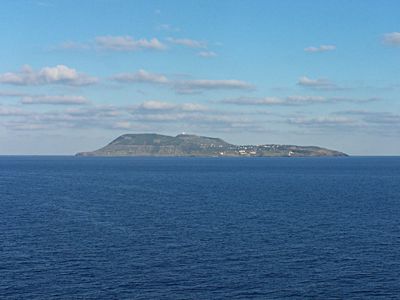
Ustica Island, Volcanic island in Tyrrhenian Sea, Italy.
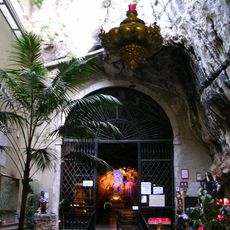
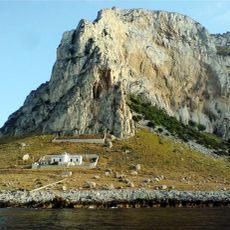
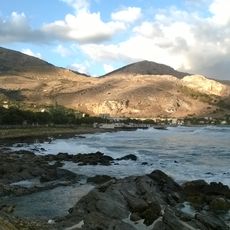
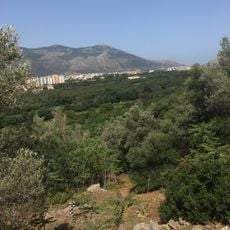
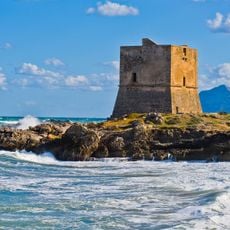
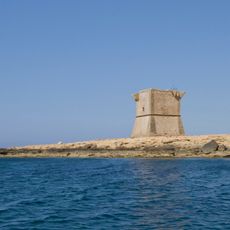
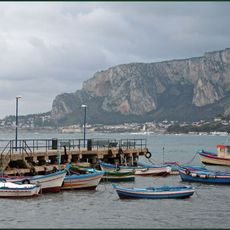
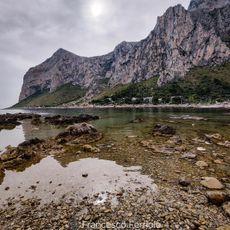
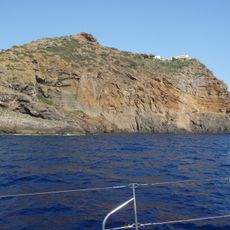
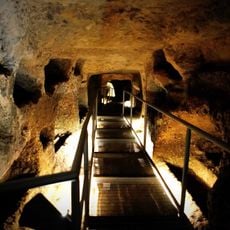
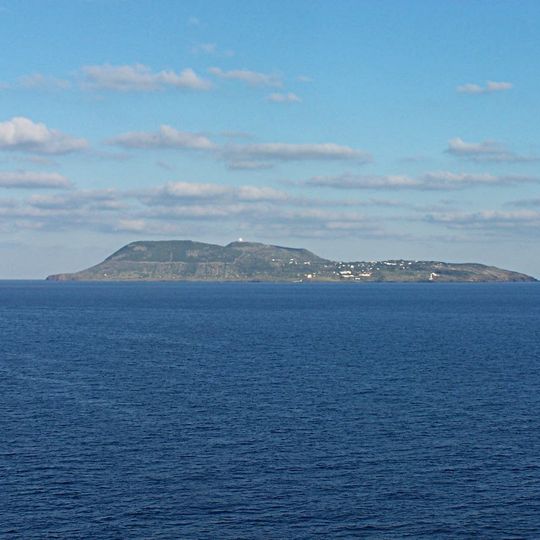
Ustica Island is a volcanic formation in the Tyrrhenian Sea off Sicily, with black rocky slopes and Mediterranean plants covering its terrain. Natural caves dot the coastline, carved into the dark rock by centuries of wave action and erosion.
The Romans named the island Ustica, meaning burnt in their language, because of the dark volcanic rocks visible everywhere. These rocks formed from ancient underwater eruptions that shaped the landscape long before people settled here.
The Madonna dei Pescatori festival reveals how deeply islanders connect with the sea, as local fishermen carry a statue through the streets in a traditional celebration. This ritual shapes community life and keeps maritime traditions alive for visitors to witness.
Ferries run regularly from Palermo's port to the island, with more departures during the summer months from May through September. Plan your visit during these warmer months when connections are most frequent and weather is favorable.
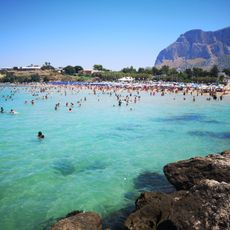
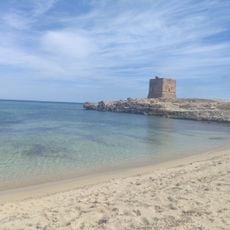
The waters surrounding the island hold Italy's first Marine Protected Area, created to shield diverse Mediterranean sea life and underwater archaeology. This reserved zone allows visitors to encounter marine species and historical remains while snorkeling or diving.
The community of curious travelers
AroundUs brings together thousands of curated places, local tips, and hidden gems, enriched daily by 90,757 contributors worldwide.