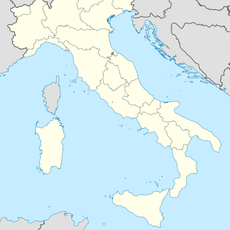
Area archeologica del Castrum Inui, Archaeological site in Ardea, Italy.
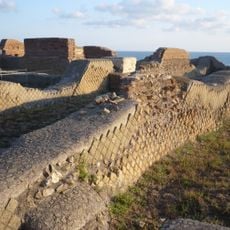
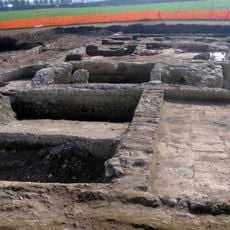
The Area archeologica del Castrum Inui lies at the mouth of the Fosso dell'Incastro, at Le Salzare in the territory of Ardea. Excavated under Francesco Di Mario, it holds a sanctuary with two temples (A and B) and a small shrine, enclosed in the mid-Republican period by a rectangular fortified wall, the castrum; north of it stands an imperial-era statio maritima built partly over those walls.
The site was first settled in Iron Age times and reached its greatest development during the Roman period with multiple construction phases. A major transformation occurred at the end of the 2nd century CE when the ground level rose significantly, reshaping how the settlement functioned.
The name comes from Inuus, a Latin god whom Servius and Macrobius identified with Pan and Faunus; Livy links him to the Lupercalia. The sanctuary was active from the 6th century BCE, with temples A and B and a small shrine. Dionysius of Halicarnassus describes two altars near the landing place of Aeneas, facing east and west.
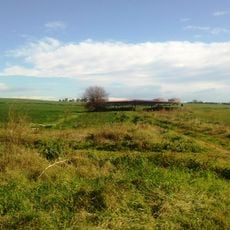
The area is accessible and displays its archaeological layers showing the long history of occupation. Visitors should expect uneven ground and take time to explore the different zones and their functional distinctions.
The site lay buried under a coastal dune about 9.5 metres high, part of the dune ridges called tumuleti that lined the shore before twentieth-century land reclamation. This burial prevented medieval and modern occupation and looting, leaving the archaic and republican sacred architecture exceptionally well preserved.
The community of curious travelers
AroundUs brings together thousands of curated places, local tips, and hidden gems, enriched daily by 94,356 contributors worldwide.