Giacomo Manzù Museum, sculpture museum in Ardea, Italy
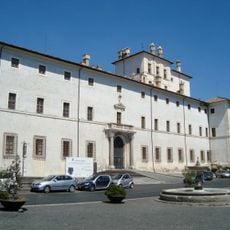
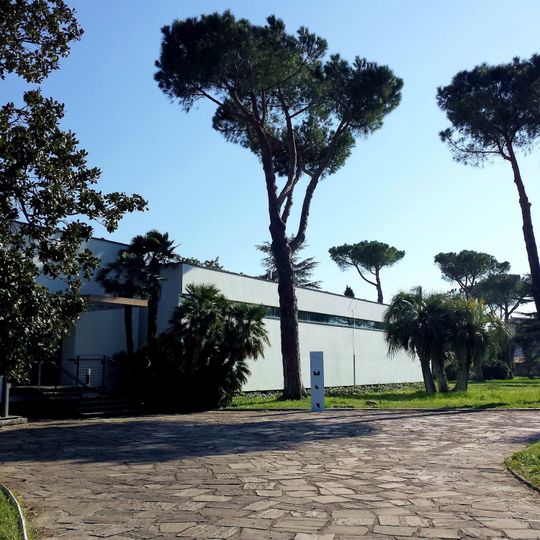
The Giacomo Manzù Museum in Ardea houses over 450 works created by the artist, primarily bronze sculptures along with drawings, engravings, jewelry and medals spanning about two decades. The building is surrounded by a large garden where many sculptures are displayed outdoors, integrated into the landscape.
Giacomo Manzù was an artist active in the 20th century who worked primarily with sculpture, often depicting themes of human suffering and hope. He lived for many years near Ardea, felt deeply connected to the area, and after his death was buried there, leading to the creation of this museum.
The museum reflects how Manzù wanted his sculptures to exist in dialogue with nature and everyday life. His works are displayed both indoors and in the garden around the building, showing his belief that art should connect with the landscape and public spaces.
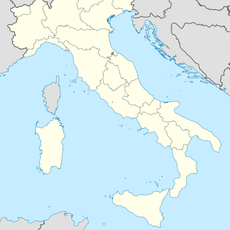
The museum stands in Ardea, the town south of Rome where Manzù chose to live and work. The collection was donated to the Italian state in 1979 for the Galleria nazionale d'arte moderna e contemporanea, which opened it to the public on 11 April 1981. The garden holds outdoor sculptures such as Nastro, so allow time to walk the grounds as well as the rooms.
The Manzù Collection, designed by architect T. Porn, was the first museum in Italy dedicated to an artist still living. Manzù died in 1989 and was buried in the museum garden on 22 May 1992, after President Francesco Cossiga granted permission; his remains were cremated and moved in January 2021. In the garden stands Nastro, a curved sculpture whose heavy material suggests a circular movement.
The community of curious travelers
AroundUs brings together thousands of curated places, local tips, and hidden gems, enriched daily by 93,362 contributors worldwide.