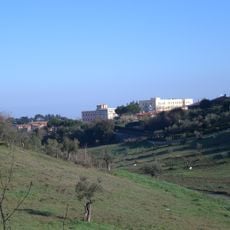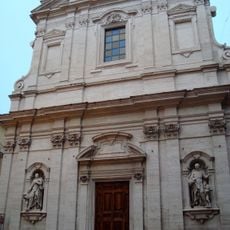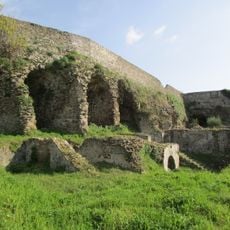
Catacomb of San Zotico, Early Christian catacombs in Roma Capitale, Italy.
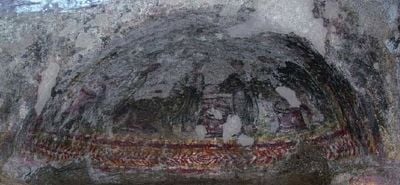
The Catacomb of San Zotico is an underground burial site with extensive tunnels where rectangular niches are carved into the walls to hold the remains of community members. The passage system spans multiple levels and connects numerous burial chambers throughout.
The catacomb dates to the late 3rd century and is tied to the memory of Saints Zotico and Amanzio, whose dies natalis is set on 10 February in the Martyrologium Hieronymianum. At the start of the 8th century, Irenaeus and Hyacinth were also associated with the two martyrs. It was discovered in the early 18th century, and a restoration by the Pontifical Commission for Sacred Archaeology with the Tor Vergata university was organised at the end of the 20th century.
The gravestones bear carved names and early Christian symbols that reflect the faith of those buried here. These inscriptions show how the community honored its dead and expressed its beliefs.
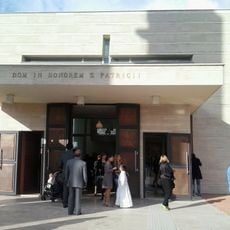
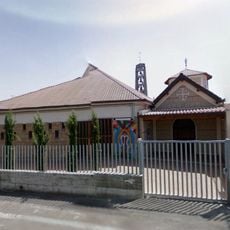
The catacombs and the basilica built on the adjoining land are closed to the public; access requires permission from the Soprintendenza and the Pontificio Istituto di Archeologia Cristiana. The site lies beside Via Nicolosi in the Borghesiana area, at the tenth mile of the ancient Via Labicana.
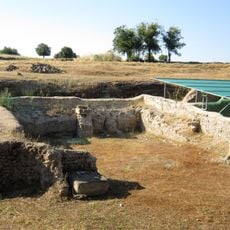
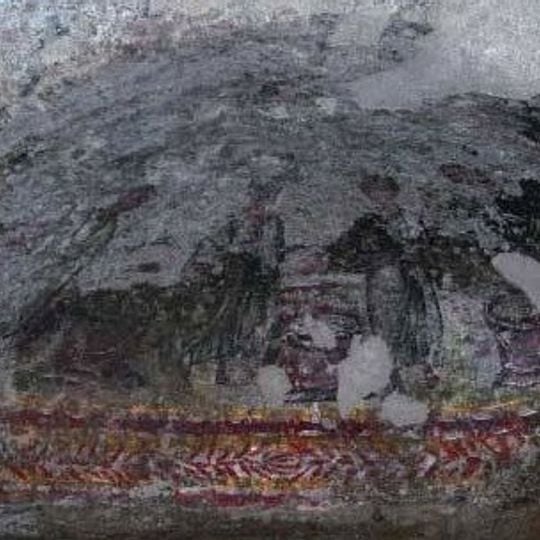
Excavations begun in summer 1998 by students of Rome's Tor Vergata university and doctoral candidates of the Pontifical Institute uncovered the hypogeum and the cubicula around the martyrs' tombs, identified by their wall paintings and tomb decorations. The dig also revealed "signatures" left by refugees who sheltered there during the world wars.
The community of curious travelers
AroundUs brings together thousands of curated places, local tips, and hidden gems, enriched daily by 94,369 contributors worldwide.