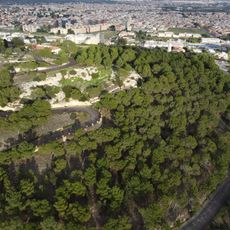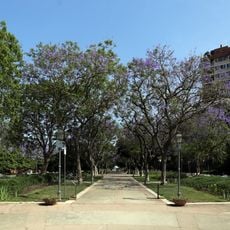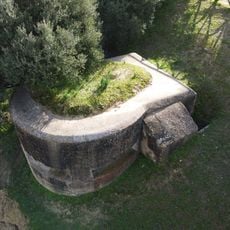
Castle of San Michele, Medieval castle in Cagliari, Italy.
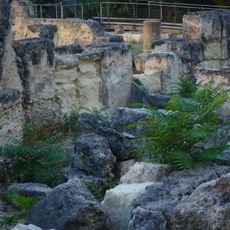
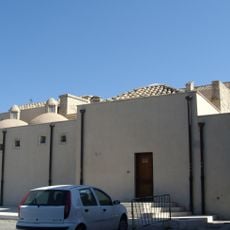
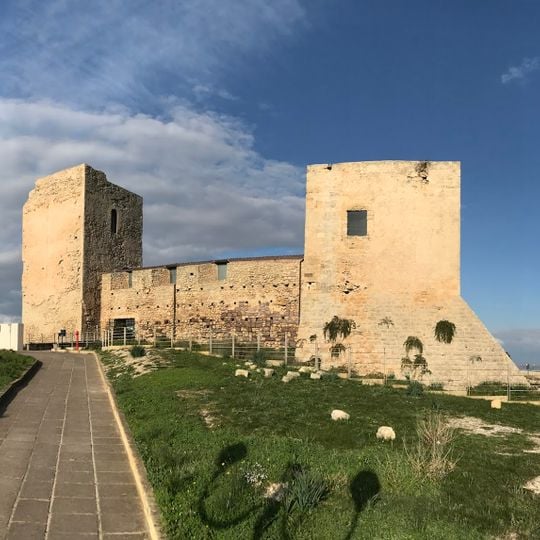
The Castle of San Michele has a quadrangular plan with three towers at the north-east, south-east and south-west corners, surrounded by a moat. The north-east and south-east towers date to the 13th century and are attributed to Pisan builders, while the south-west tower is 15th-century Aragonese work. The south-west tower controlled both the interior and exterior of the castle.
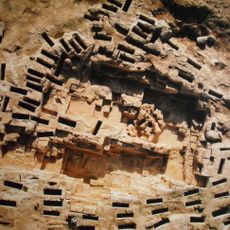
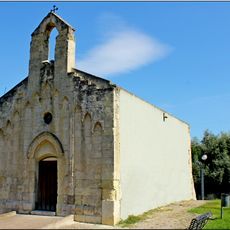
Excavations in 1990 revealed a rural church, probably early medieval, over which the castle was built in the 12th century to defend Santa Igia, capital of the Giudicato of Cagliari; the chronology remains uncertain. Its main period was between the 14th and 16th centuries under the Carroz family from Valencia. Later abandoned, it served as a hospital during the Plague of Saint Efisio (1652–1656), was refortified against French attacks in the 18th century, and around 1940 was occupied by the Regia Marina before passing to the Comune of Cagliari.
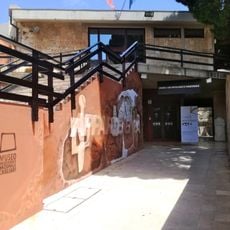
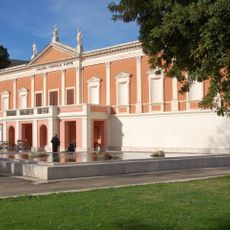
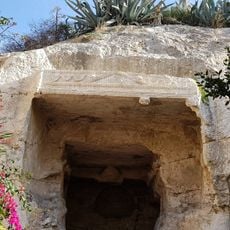
The castle now functions as a multipurpose cultural center hosting art exhibitions, lectures, and events, while preserving archaeological artifacts including marbles and friezes from the ancient Basilica of San Saturno that were reused in its construction.
Open Tuesday through Sunday from 10:00 to 18:00, the castle charges €3 for full admission, €2 for reduced tickets, and €1 for schoolchildren, with guided tours available for €8 full price and special rates for groups.
The 1990 excavations uncovered the remains of a rural church, probably early medieval, beneath the castle; it is still unclear whether the church was built before the fortress or at the same time. The three towers differ in masonry: the north-east and south-east towers are attributed to Pisan builders of the 13th century, the south-west tower to Aragonese builders of the 15th century.
The community of curious travelers
AroundUs brings together thousands of curated places, local tips, and hidden gems, enriched daily by 92,612 contributors worldwide.