Tuvixeddu necropolis, Archaeological site on Tuvixeddu hill, Cagliari, Italy
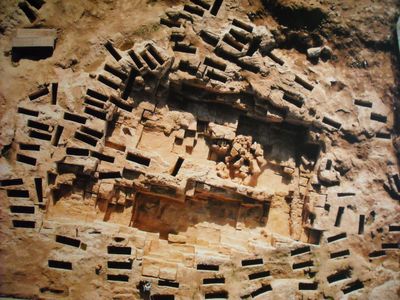
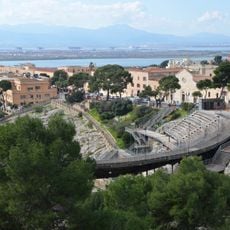
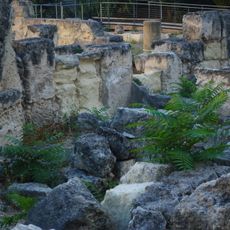
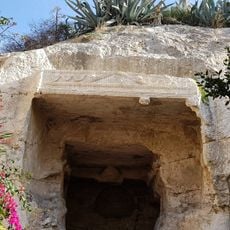
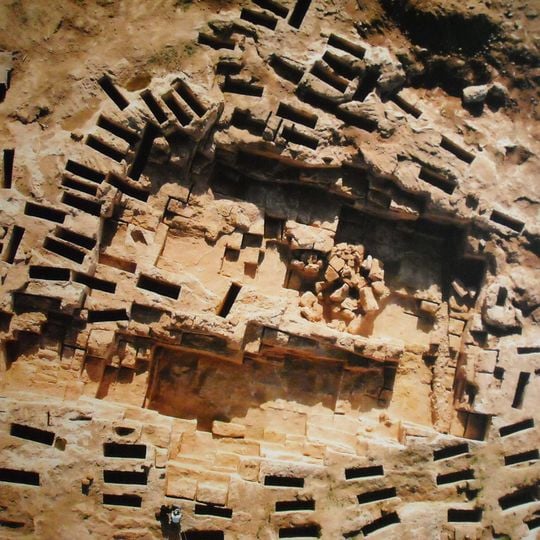
Tuvixeddu necropolis is an archaeological site on a hill in Cagliari containing hundreds of burial chambers carved directly into limestone rock. The site spans a large area and holds burials from both Punic and Roman periods.
The necropolis was created between the 6th and 3rd centuries BC by Carthaginians who built chambers accessed through deep wells. Later Romans also used the site for their own burials, continuing the burial tradition over many centuries.
The tomb chambers display preserved paintings showing palm trees, masks, snakes, and geometric patterns that reflect how the Punic people imagined the afterlife. These artworks reveal what mattered to families when they prepared resting places for their loved ones.
Access to the burial chambers involves descending through wells of varying depths, so visitors should wear sturdy shoes and bring a flashlight. The terrain is extensive and uneven, requiring adequate time and physical preparation to explore comfortably.
DNA analysis of remains from a 2,000-year-old burial revealed genetic evidence of a blood disorder linked to ancient Sardinian populations. This finding connects the people buried here to the modern genetic makeup of the region.
The community of curious travelers
AroundUs brings together thousands of curated places, local tips, and hidden gems, enriched daily by 92,832 contributors worldwide.