Palazzo Colonna Barberini, National archaeological palace in Palestrina, Italy
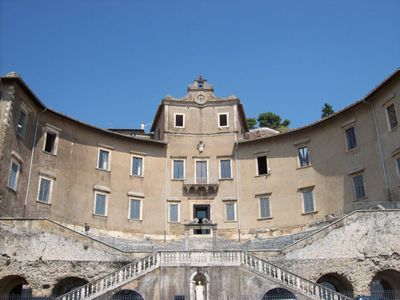
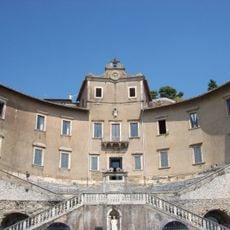
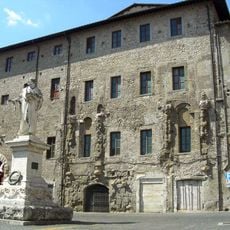
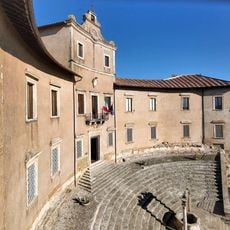
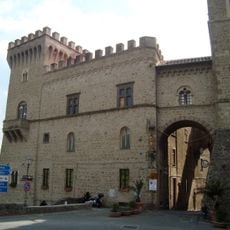
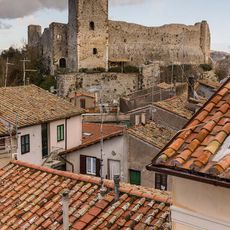
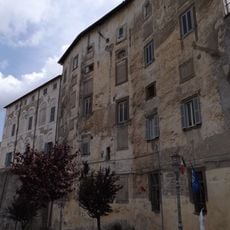
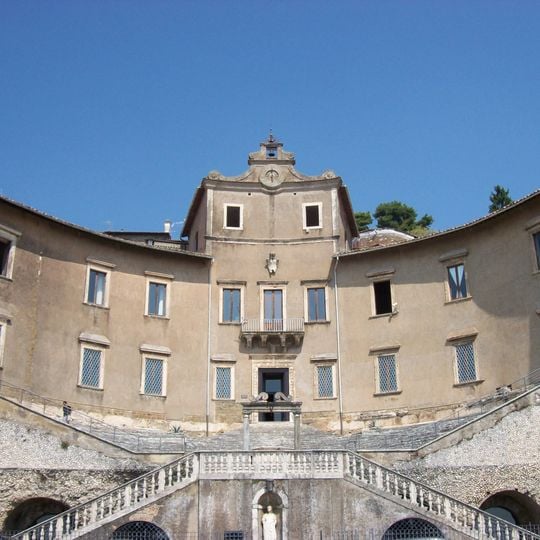
Palazzo Colonna Barberini is a palace in Palestrina, built directly over the remains of the ancient sanctuary of Fortuna Primigenia, and it now houses the National Archaeological Museum of Palestrina. The building spans several levels that follow the natural slope of the hill, mixing Roman stonework with medieval and later construction.
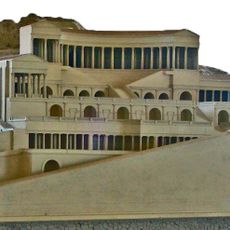
The sanctuary of Fortuna Primigenia, on whose terraces the palace now stands, was built in the late Roman Republic and drew pilgrims from across central Italy. In the 17th century, the Colonna family sold the property to the Barberini, who converted it into a noble residence.
The palace houses the National Museum of Archaeology, where visitors can see mosaics, sculptures, and objects from Roman times found in the ancient city. The collections show how people lived here centuries ago and what mattered to them.
The museum inside the palace is open to the public, but the private wing still used by the Barberini family is not accessible to visitors. It is worth checking opening times before arriving, as hours can vary by season.
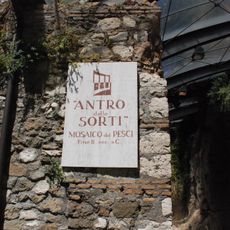
The museum holds the so-called Nile Mosaic, a large floor mosaic from the 1st century BC that depicts the Nile River during flood season, showing Egyptian landscapes, animals, and people in fine detail. It was discovered right here in Palestrina and is one of the largest surviving mosaics from the ancient world.
The community of curious travelers
AroundUs brings together thousands of curated places, local tips, and hidden gems, enriched daily by 91,601 contributors worldwide.