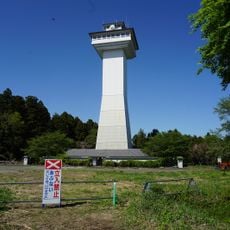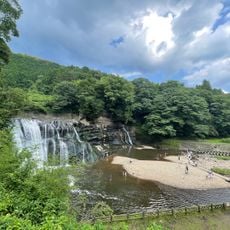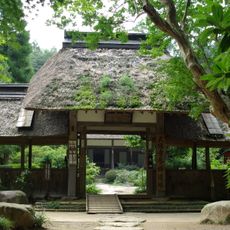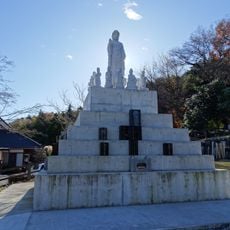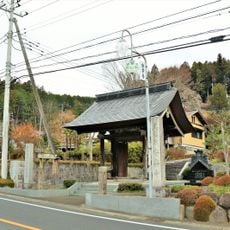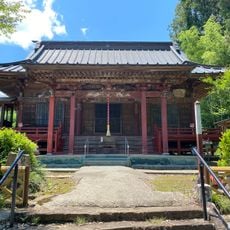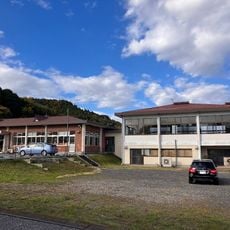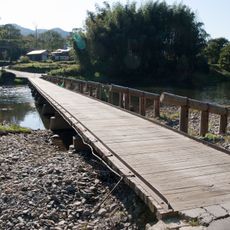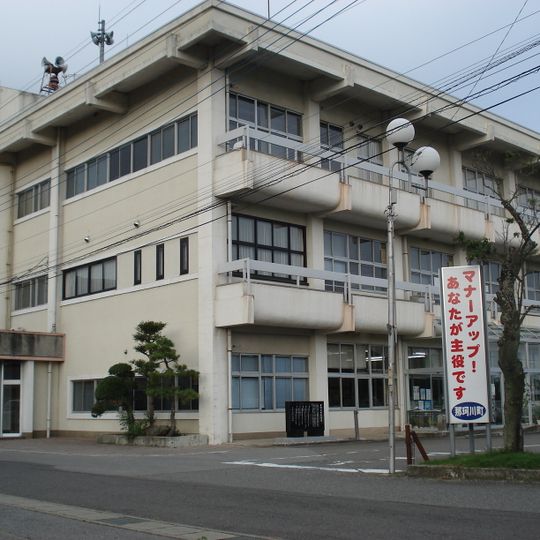
Nakagawa, town in Nasu district, Tochigi prefecture, Japan
Nakagawa is a small town in Tochigi Prefecture in northeastern Japan, surrounded by hills and forests with clear streams and green fields. The area spans open landscapes where most residents work in farming and agriculture, with daily life moving at a steady, gentle pace.
The town was founded as Batō in 1891 and merged with nearby Ogawa in 2005 to form present-day Nakagawa. The region has a much deeper past, with people living here for over 10,000 years, and during the Nara and Heian periods it was home to the Nasu kings who ruled the area.
The name Nakagawa refers to the river running through the center of town, which shapes daily life and local identity. Community symbols including a pine tree, dogtooth violet, and Japanese bush warbler reflect how residents connect with their surroundings and natural rhythms.
There is no train station, so cars and buses are the main ways to get around for visitors and residents. Several national routes connect the town to other parts of Japan, making it easy to drive through the countryside and stop at small local shops or farms.
The area is known for catching sweetfish called ayu, which visitors can catch by hand using traditional methods during the annual summer event. Fish caught during the August festival can be eaten fresh and grilled with salt right after the catch.
The community of curious travelers
AroundUs brings together thousands of curated places, local tips, and hidden gems, enriched daily by 60,000 contributors worldwide.