Nara National Museum, National museum in Nara Park, Japan
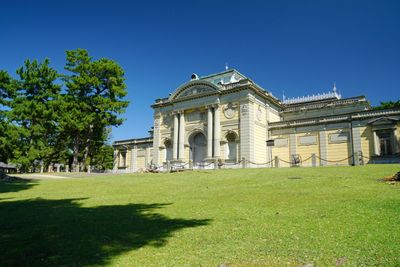
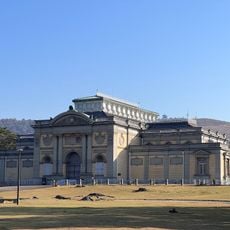
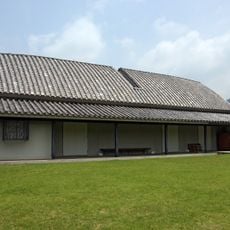
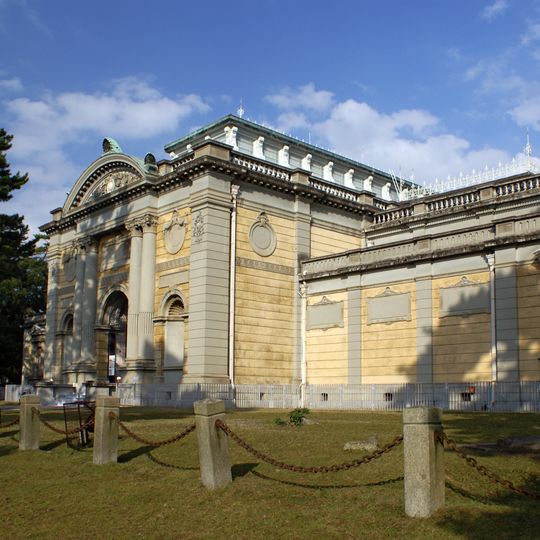
The Nara National Museum is a national museum in Nara Park, Japan, specializing in Buddhist art and craft. Its four buildings combine Western architecture in French Renaissance style with modern extensions made of concrete and glass.
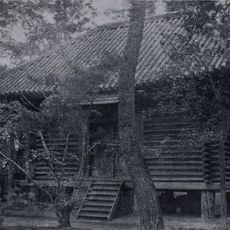
The Imperial Nara Museum was founded in 1889, and its main building, designed by court architect Katayama Tōkuma, was completed in 1894 on the former grounds of Kōfuku-ji. The museum opened there on 29 April 1895, showing imperial loans and works sent from the imperial museum in Tokyo. Renamed the Imperial Household Museum of Nara in 1900, it took its present name in 1952.
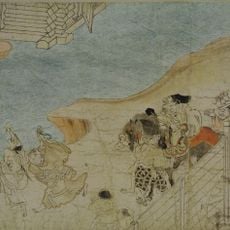
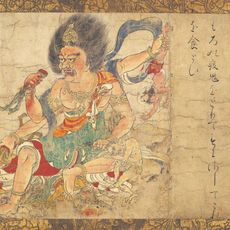
The building is often called Nara-Haku, a shortened form of its Japanese name used by locals and visitors. Inside the permanent galleries, Bodhisattva figures and temple relics take center stage, showing the influence of Buddhism on the region.
A 15-minute walk from Kintetsu Nara Station leads through the park directly to the entrance. Alternatively, several bus lines stop nearby, so you can reach the site comfortably even in the rain.
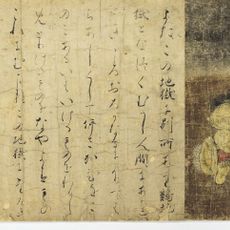
The Shōsōin repository itself is not open to the public; its objects are shown at the museum each autumn. The Shōsōin department was created at the museum in 1914. The 150-metre underground corridor linking the wings and the original building needs no admission ticket and holds models explaining how Buddhist sculpture was built.
The community of curious travelers
AroundUs brings together thousands of curated places, local tips, and hidden gems, enriched daily by 93,116 contributors worldwide.