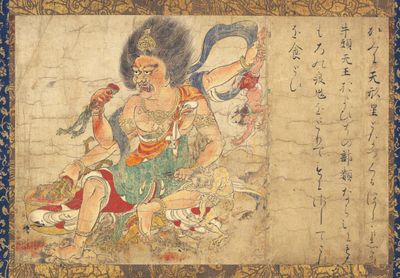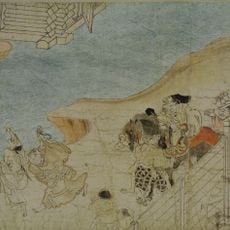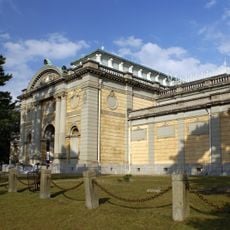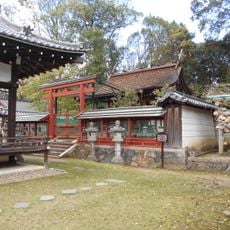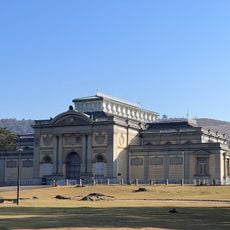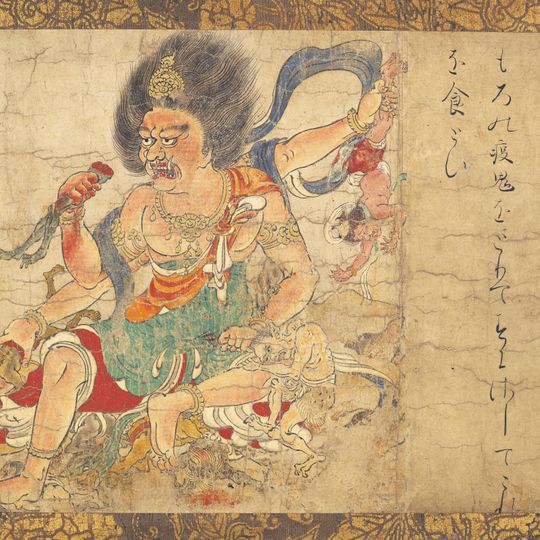
Extermination of Evil, National Treasure painting series in Nara National Museum, Japan.
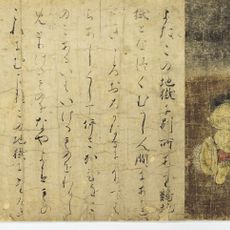
Extermination of Evil is a five-painting series housed in Nara National Museum, depicting traditional Asian deities locked in combat against demonic creatures. Each work demonstrates detailed craftsmanship and documents different religious and artistic concepts drawn from multiple cultural traditions.
The series originated during the 12th century under Emperor Go-Shirakawa and was originally part of a handscroll kept at Rengeō-in Temple. Over centuries, these works evolved into treasures that reflect the religious thought and artistic skill of their time.
The five deities come from Japanese, Chinese, and Indian traditions, each embodying different protective roles that people sought in their daily lives. Visitors can see how these figures were revered in religious practice and continue to shape Japanese artistic and spiritual traditions today.
The paintings are on display in Nara National Museum, where visitors can view them alongside explanatory materials. Plan enough time to study the detailed works and read the descriptions to better understand the different deities and their meanings.
Each deity has a specific protective role: Sendan kendatsuba guards the young, while Shōki confronts demons through physical combat. These distinct roles show how different aspects of life were protected by different supernatural powers in religious belief.
The community of curious travelers
AroundUs brings together thousands of curated places, local tips, and hidden gems, enriched daily by 92,632 contributors worldwide.