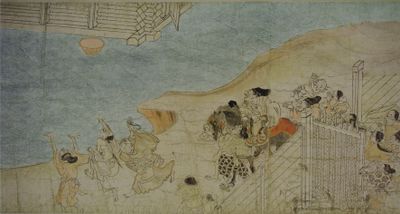
Shigisan Engi Emaki, National Treasure narrative scroll in Nara National Museum, Japan
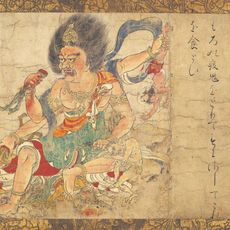
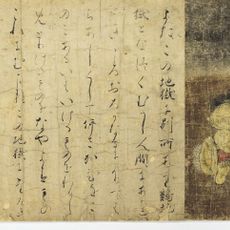
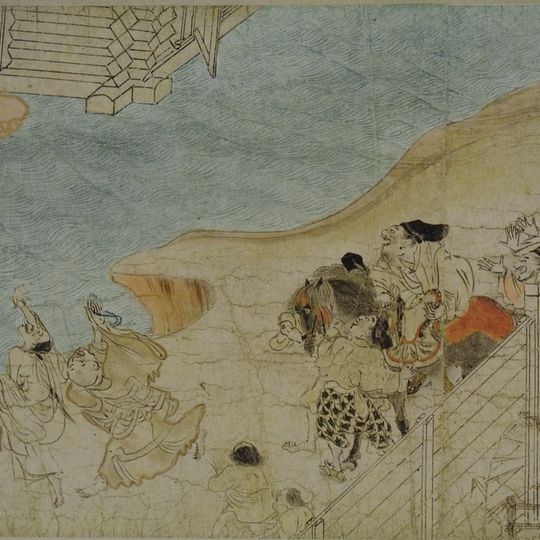
Shigisan Engi Emaki is a National Treasure scroll housed at the Nara National Museum, consisting of three paper rolls extending over 35 meters (115 feet) in total length. Each roll combines watercolor painting with calligraphic text passages depicting scenes from the life of a Buddhist monk.
The three scrolls were painted in the second half of the 12th century, and some scholars link their production to the retired emperor Go-Shirakawa, as with the Ban Dainagon Ekotoba. Their subject is Myōren, a monk who died around 937–941 and spent about a dozen years on Mount Shigi, where a small chapel to Bishamon-ten stood. The second and third scrolls' text closely follows the Kohon Setsuwa Shū, and the healing of Emperor Daigo also appears in the Konjaku Monogatarishū and Uji Shūi Monogatari. The work was designated a National Treasure in 1951.
The three scrolls are known as the Flying Granary, the Engi Kaji (Emperor Daigo's healing), and the Nun's Scroll. The first lacks calligraphic text, so its story is known from the Uji Shūi Monogatari and Kohon Setsuwa Shū. The work is often called a root of Japanese manga for its expressive faces and motion.
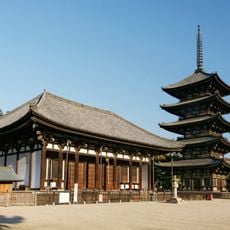
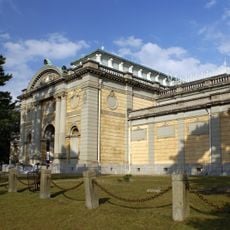
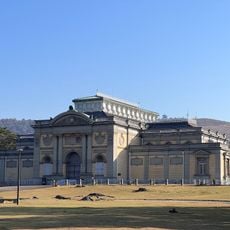
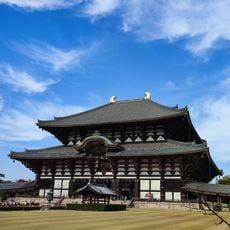
The originals are housed at the Nara National Museum, where visitors can view the detailed architectural elements and daily life scenes from the Heian period. The scrolls are typically displayed in climate-controlled cases to protect the fragile paper and colors.
The first section depicts a flying granary hovering through the air, while the second shows the healing of Emperor Daigo. The third tells of the years-long search by Myōren's sister, who traveled across Japan to find her brother.
The community of curious travelers
AroundUs brings together thousands of curated places, local tips, and hidden gems, enriched daily by 93,133 contributors worldwide.