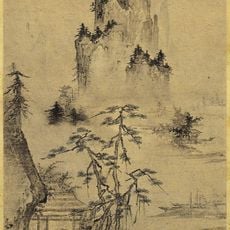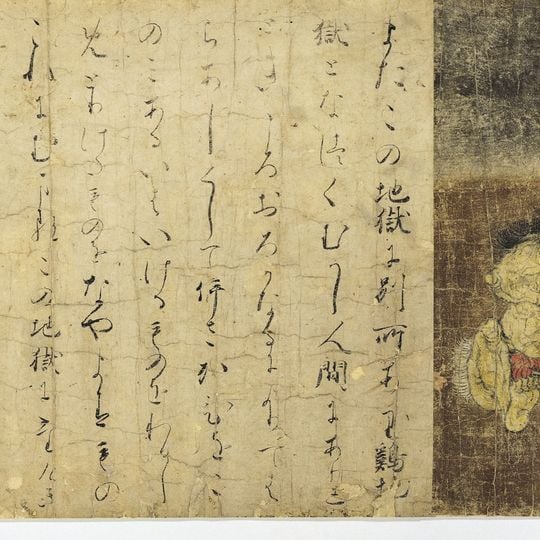
Hell Scroll, Religious scroll at Nara National Museum, Japan
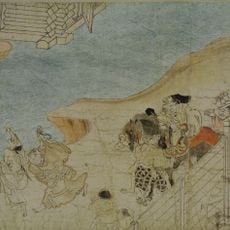
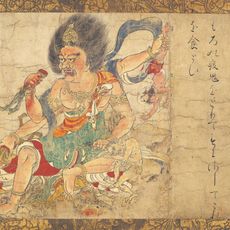
The Hell Scroll is a painted paper roll from the 12th century that depicts various realms of punishment according to Buddhist teachings. It measures about 455 centimeters in length and about 27 centimeters in height, with colored illustrations showing scenes of suffering.
The scroll was created in the late 12th century during the Heian period and originally belonged to Emperor Go-Shirakawa's collection. It was later transferred to the Nara National Museum, where it is now preserved as a National Treasure.
The scroll presents Buddhist concepts of punishment and suffering as they were understood in medieval Japanese religious practice. These depictions reflect the moral teachings that visitors could contemplate while examining each illustrated scene.
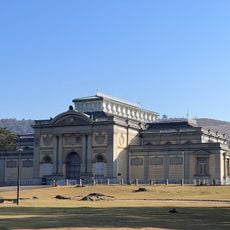
The artwork is displayed at the Nara National Museum, where it is stored under controlled conditions to protect the delicate paper and pigments. Visitors should take time to unroll the scroll from right to left to view all the depicted scenes in sequence.
The scroll uses the emakimono format, requiring viewers to progressively unroll the artwork from right to left to reveal each sequential scene. This hands-on viewing method differs greatly from modern display approaches and creates an immersive experience of the Buddhist teachings.
The community of curious travelers
AroundUs brings together thousands of curated places, local tips, and hidden gems, enriched daily by 91,438 contributors worldwide.