Zenkō-ji, Buddhist temple in Nagano, Japan
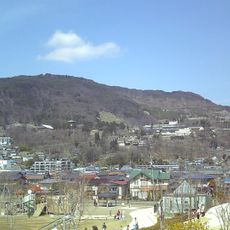
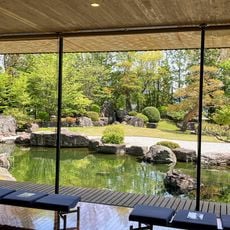
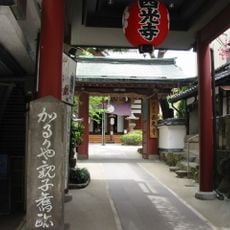
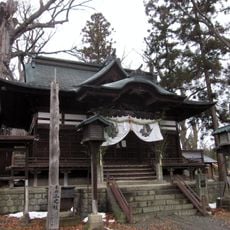
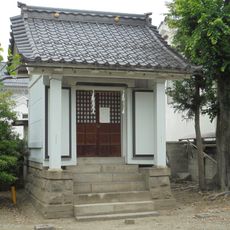
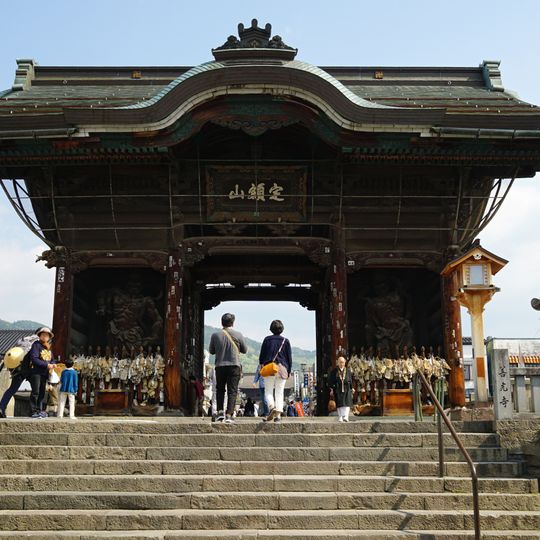
Zenkō-ji is a Buddhist temple and national treasure in the city of Nagano, made up of several wooden buildings, stone gates, and landscaped gardens. The main hall displays traditional Japanese temple architecture with curved roofs, thick timber columns, and ornate carvings, while smaller buildings for rituals and administration line the grounds.
Zenkō-ji grew from a grass hall converted from Wakamatsuchi Higashi's residence in 642, later tiled under the Kanazashi clan. A fire in 1179 led Minamoto no Yoritomo to order reconstruction in 1187, and he visited in 1197. In the Sengoku period the hidden Buddha was moved between provinces by warlords, reaching Kyoto in 1597.
The name Zenkō derives from Honda Yoshimitsu, who according to legend rescued the Buddha image from a canal; the Chinese transliteration of his name gives the temple its name. Pilgrims come to pray before the hibutsu, a hidden Buddha never shown to anyone, and believe that visiting secures rebirth in paradise regardless of gender or social standing.
The complex opens daily at sunrise and closes at sunset, with a fee charged for entering the inner areas. Visitors should remove shoes before entering the halls and can follow the pathways and staircases that lead to the main buildings.
The pitch-dark passage under the main hall leads to a metal key hanging on the wall, which visitors touch to gain enlightenment. It represents the Key to the Western Paradise of Amida Buddha. The corridor is reached by a narrow staircase from the inner prayer chamber.
The community of curious travelers
AroundUs brings together thousands of curated places, local tips, and hidden gems, enriched daily by 93,251 contributors worldwide.