Tatsuta Shrine, Shinto shrine in Nara Prefecture, Japan
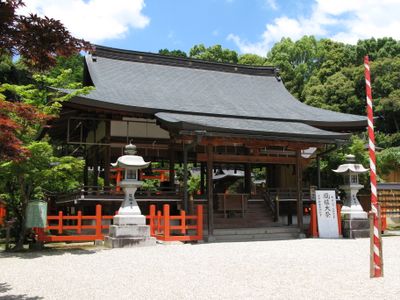
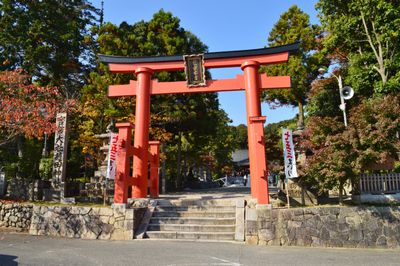
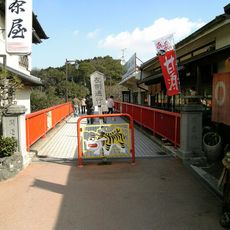
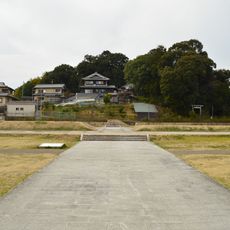
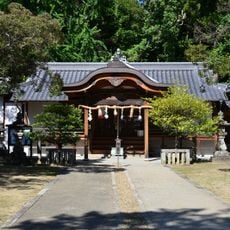
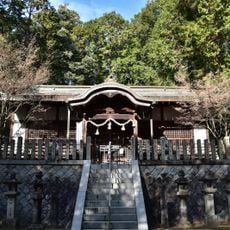
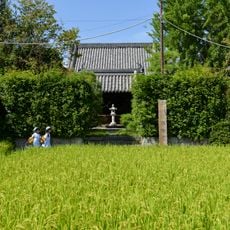
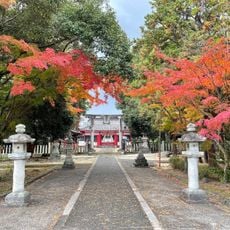
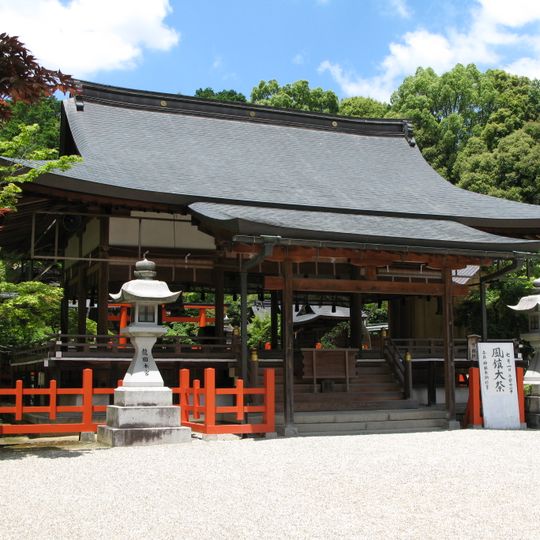
Tatsuta Shrine is a Shinto shrine in Sango, Japan, built in the Kasuga-zukuri style, a classical form that uses wood construction and a curved, gabled roof. The grounds include a torii gate at the entrance, a purification fountain, and a main hall where offerings and prayers take place.
The shrine was founded in ancient times as a place to worship the Tatsuta deity, making it one of the older sacred sites in the region. It remained in active use across many centuries without major changes to its function or its traditional building form.
The shrine is dedicated to Tatsuta-hime, a goddess from Japanese mythology connected to autumn winds and falling leaves. During autumn, the surroundings take on colors that feel directly linked to what this deity is said to represent.
The shrine is in a quiet part of Sango and is best explored on foot, with no steep terrain to navigate. Visitors are expected to follow basic etiquette, such as bowing at the torii gate and rinsing hands at the purification fountain before approaching the main hall.
Tatsuta-hime is one of the few Japanese deities mentioned by name in classical court poetry, including poems in the 13th-century anthology Hyakunin Isshu. This presence in literature gave the shrine a reputation that extended far beyond the local area, drawing attention from poets and scholars for centuries.
The community of curious travelers
AroundUs brings together thousands of curated places, local tips, and hidden gems, enriched daily by 91,863 contributors worldwide.