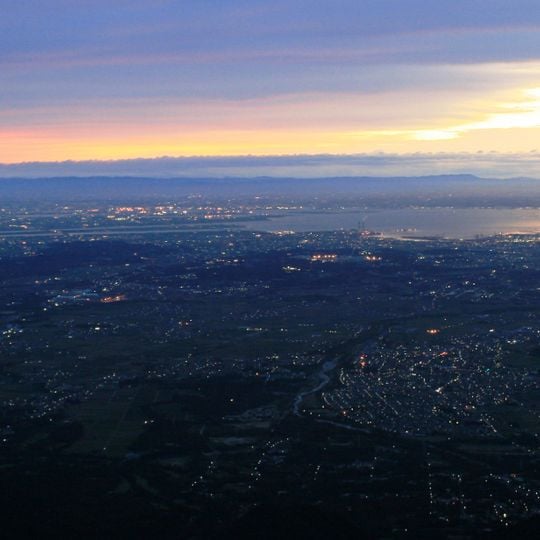
Nōbi Plain, Alluvial plain in Gifu and Aichi Prefectures, Japan
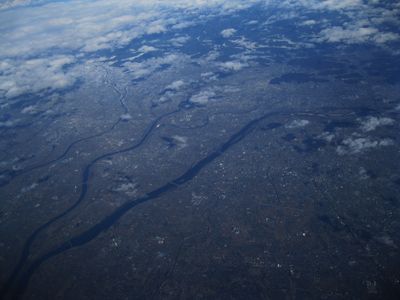
The Nōbi Plain is a large alluvial plain in central Japan that spreads across a wide area bounded by mountain ranges and Ise Bay. The landscape features flat terrain crossed by three major rivers that deposit fertile sediment across the region.
The plain took shape over thousands of years through river sedimentation, creating fertile ground for human settlement. A major geological fault line running through the area caused a powerful earthquake in 1891 that shook the region.
The people who live here have adapted to life with water and built traditional earthen embankments around their settlements to protect against flooding from the three major rivers. These protective rings remain visible today and show how communities have managed the landscape for generations.
The flat landscape makes it easy to explore and access different parts of the area by various transport methods. Spring and summer offer the best conditions for viewing agricultural fields and observing the seasonal changes across the region.
Along the eastern edge of the plain, a remarkable subsidence effect occurs where continuous river sedimentation has created areas that sit below sea level. This process demonstrates how nature continuously reshapes the landscape and can even form regions that dip beneath the ocean's surface.
The community of curious travelers
AroundUs brings together thousands of curated places, local tips, and hidden gems, enriched daily by 60,000 contributors worldwide.