Tateshina, town in Kitasaku district, Nagano prefecture, Japan
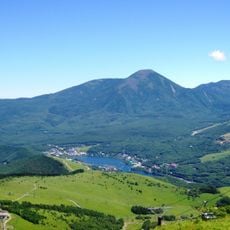
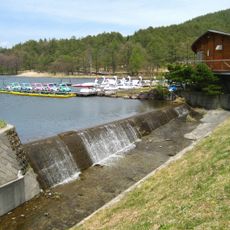
Tateshina is a highland region in Nagano Prefecture situated between 900 and 1,800 meters (3,000 to 5,900 feet) in elevation, characterized by lakes, waterfalls, and mountain forests. The area includes Lake Tateshina and Lake Shirakaba, scenic gorges like Yokoya, trails through moss-covered woodland, and public art installations scattered among the landscape.
Tateshina developed as a highland destination from the 1940s onward when artificial lakes like Shirakaba Lake were built to support farming. The region expanded into a leisure destination during the 1950s, with inns and hotels gradually opening to accommodate visitors seeking mountain scenery and cooler summer temperatures.
Tateshina's name reflects its elevated location, a place where visitors and locals have long sought nature and quiet reflection. The cultural rhythm centers on unhurried activities like walking forest trails, sitting by lakes, and observing seasonal changes, which shape how people experience and move through the landscape.
The region is easiest to explore using public transportation: a limited express train travels around two hours from Shinjuku Station to Chino Station. From Chino, buses connect the lakes, waterfalls, and hiking trails throughout the highlands, with most routes taking less than an hour to reach key spots.
The painter Kaii Higashiyama drew inspiration from the mirror-like waters of Mishaka Pond and created several significant works depicting this landscape. The area also holds a connection to filmmaker Yasujiro Ozu, who frequently stayed at a house called Mugeiso in the 1950s and used the region's atmosphere in his work.
The community of curious travelers
AroundUs brings together thousands of curated places, local tips, and hidden gems, enriched daily by 91,469 contributors worldwide.