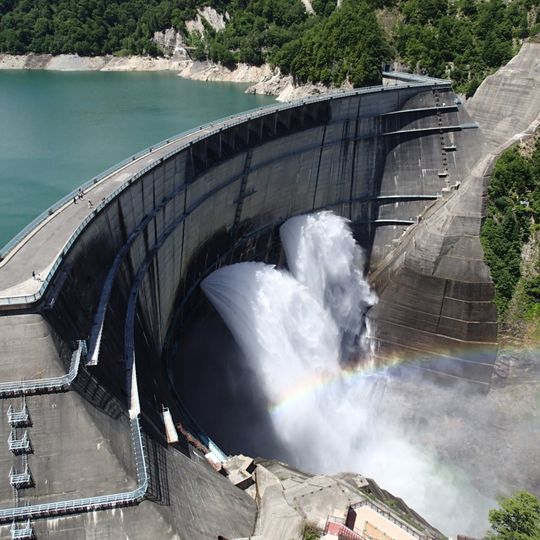
Kurobe Dam, Hydroelectric dam in Ashikuraji, Japan.
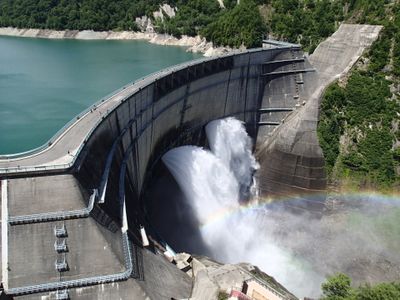
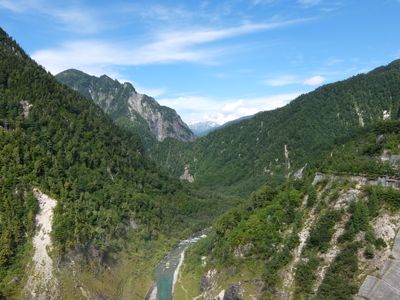
The Kurobe Dam is a concrete arch structure that spans the Kurobe River in Toyama Prefecture. The construction reaches 186 meters above the riverbed and extends 492 meters from one end of the gorge to the other.
Construction lasted from 1956 to 1963 and required extensive tunneling through the mountains, resulting in 171 workers losing their lives. The completed structure became a symbol of postwar development and energy supply in Japan during that period.
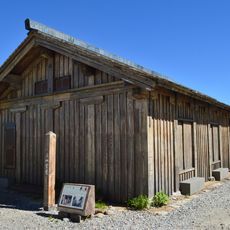
The construction story inspired a novel and a film titled The Sands of Kurobe, documenting the engineering achievement. Visitors encounter exhibits and information panels that recall the challenges and determination of the workers who completed the project.
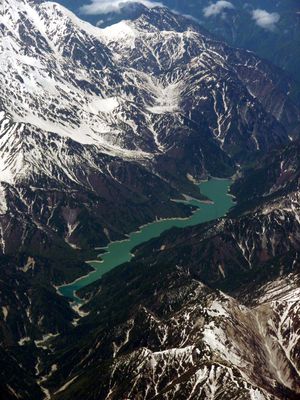
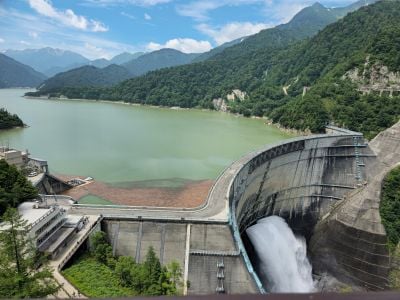
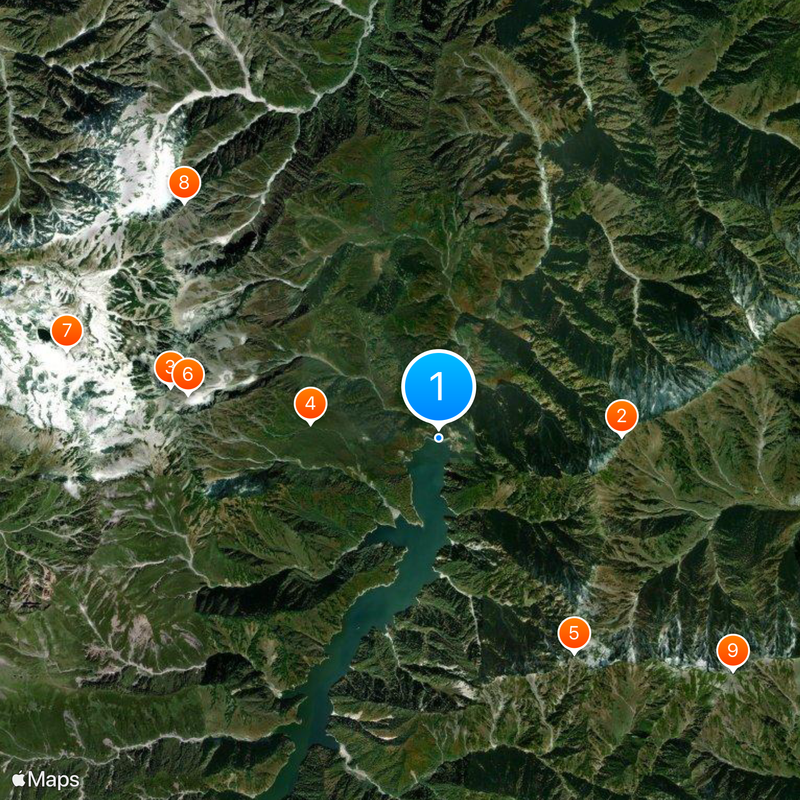
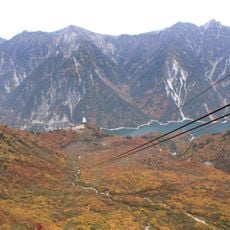
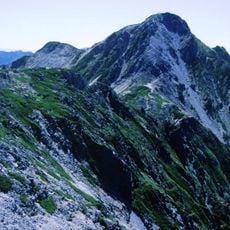
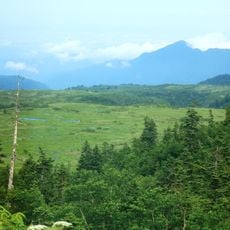
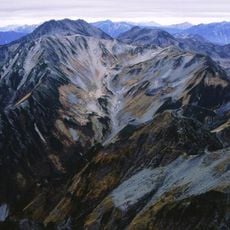
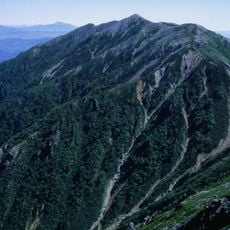
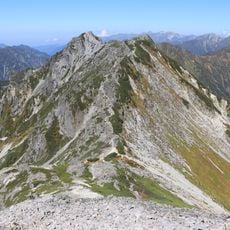
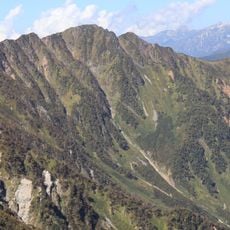
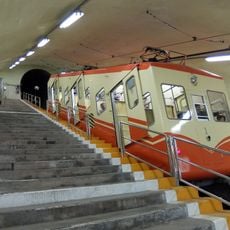
Visitors reach the site through the Tateyama Kurobe Alpine Route, using cable cars, electric buses, and walkways across the structure. The observation platform offers views of the reservoir and surrounding mountains, with the best visibility from early summer through autumn.
The facility discharges 10 tons of water per second during the summer months, creating natural rainbows in the surrounding mist. Photographers and visitors often wait for late morning hours when sunlight illuminates the finest water droplets and the colors appear most clearly.
The community of curious travelers
AroundUs brings together thousands of curated places, local tips, and hidden gems, enriched daily by 90,871 contributors worldwide.