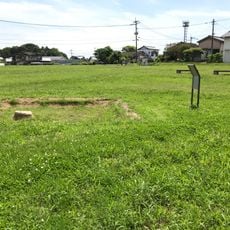
Amagi, dissolved municipality in Fukuoka prefecture, Japan
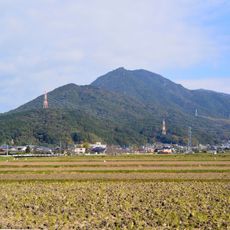
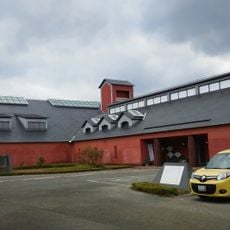
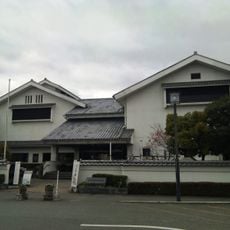
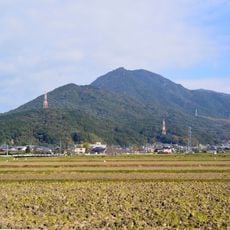
Amagi was a former municipality in Fukuoka Prefecture on the island of Kyushu, characterized by green rice paddies, small shops, and traditional wooden houses. The area served as a center for textile production and agriculture, with the Chikugo River running through the landscape and hills surrounding the town.
Amagi was established in 1954 and merged with Asakura in 2006 after more than 50 years as an independent city. The region had roots extending back over a thousand years to early rice farming communities, with later development during the Edo period under the Kuroda clan, which influenced its role as a post town and craft center.
Amagi was known for seasonal festivals and traditional textile crafts passed down through generations. Residents gathered for celebrations like the summer fireworks festival and October parades, while artisans continued to practice age-old dyeing techniques that created intricate fabric patterns.
The area was best explored on foot or by bicycle along quiet village roads and hiking trails through surrounding hills. The train station served as the main connection to larger cities, with local markets opening early in the morning, while visitors could enjoy the countryside at a leisurely pace and follow marked paths to scenic viewpoints.
Amagi was a center for the Shibori craft tradition, a local tie-dye technique using natural plant-based dyes that created intricate patterns still made by artisans today. This distinctive textile method made the town known as a craft hub, with finished fabrics displayed and sold at local markets and seasonal events.
The community of curious travelers
AroundUs brings together thousands of curated places, local tips, and hidden gems, enriched daily by 92,795 contributors worldwide.