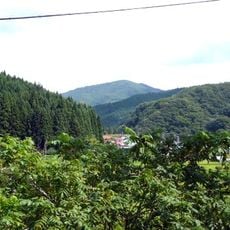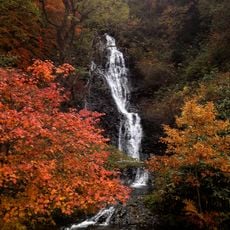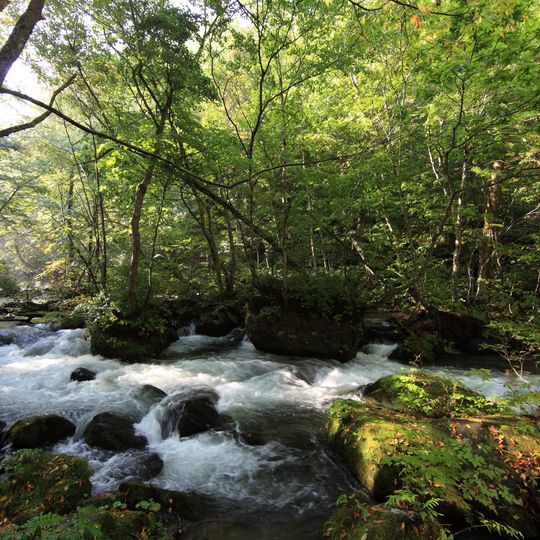
Towada-Hachimantai National Park, National park in Aomori and Akita Prefectures, Japan
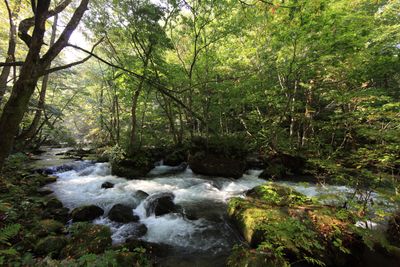
Towada-Hachimantai National Park is a national park in northern Japan covering parts of Aomori, Akita, and Iwate Prefectures, made up of two separate sections: the Towada area centered on a large crater lake surrounded by beech forests, and the Hachimantai highland plateau with its volcanic terrain. The two zones are distinct in character, one built around water and forest, the other around open moorland, hot springs, and lava fields.
The area was designated a national park in 1936, during a period when Japan was establishing a network of protected natural areas across the country. It is among the oldest national parks in Japan, created at a time when the northern forests and volcanic highlands were still largely untouched.
Lake Towada has drawn pilgrims and monks for centuries, and a sense of quiet devotion still surrounds the lakeshore today. A bronze sculpture of two women by the poet and artist Kotaro Takamura stands near the water and has become one of the most recognized outdoor artworks in Japan.
The park is split into two separate zones that are far apart from each other, so it is worth deciding in advance which area to visit. Each zone has its own entry points and trail networks, and a single day is generally only enough to explore one of them properly.
Lake Towada was not formed by a single eruption but by a series of volcanic events that unfolded over tens of thousands of years, gradually shaping its double-caldera basin. Because the lake sits so deep within its basin, the central part rarely freezes in winter even when the surrounding shores are covered in snow.
The community of curious travelers
AroundUs brings together thousands of curated places, local tips, and hidden gems, enriched daily by 92,161 contributors worldwide.