Kujūkuri Beach, Sandy beach in Chiba Prefecture, Japan.
Kujūkuri Beach is a sandy shoreline roughly 66 kilometers (41 miles) long along the northeast edge of the Bōsō Peninsula. The coast forms a broad arc between Cape Gyōbumi and Cape Taitō, ranking among Japan's longest uninterrupted sandy shores.
During World War II, Allied planners considered this coast a potential landing site for Operation Coronet. The prospect of such an invasion influenced Emperor Hirohito's decision to surrender.
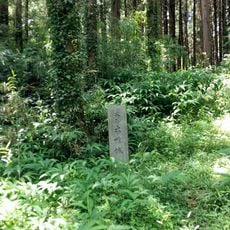
The name Kujūkuri means "ninety-nine ri". Minamoto no Yoritomo is said to have ordered the beach measured by planting an arrow every ri, and 99 arrows reached the sand. The old short ri of about 660 m was later forgotten, so the 99 is often misread as mere exaggeration, though the beach's 66 km matches the original count. Yanasai Shrine in Sanmu stands where the arrows were placed.
Travelers from Tokyo reach the coast via the JR Sobu Line to Togane Station, then transfer to a local bus. The trip works best in summer when the water is warm enough for swimming.
The southern section at Tsurigasaki hosted the surfing competitions for the 2020 Summer Olympics. This choice underscored the consistent waves and the site's popularity among surfers from home and overseas.
The community of curious travelers
AroundUs brings together thousands of curated places, local tips, and hidden gems, enriched daily by 94,663 contributors worldwide.