Shirako-jinja, Shinto shrine in Japan
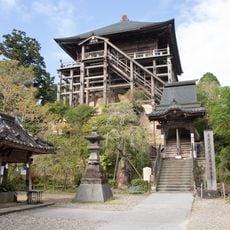
Shirako-jinja is a small Shinto shrine built in the Shinmei-zukuri style with traditional wooden structures and a thatched roof. Clean lines and simple design are complemented by stone lanterns lining the path, creating a space defined by careful craftsmanship and natural materials.
The shrine's founding is dated to 1048, when the kami Onamuchi-no-mikoto was invited from Yato and enshrined. In 1126 a white snake was seen coiled on a white turtle offshore and was taken as a kami; in 1147 the shrine was moved to its present site at Nabakidai in Seki. It served as guardian shrine of the twelve Nabaki villages, received the rank of sho-ichi-i and the name Shirako Daimyojin in 1708, and was renamed Shirako-jinja after the Meiji Restoration.
The shrine keeps a white snake as a sacred animal, based on the 1126 legend of a white snake coiled on a white turtle offshore. The spring festival features a rare indoor rice-planting ritual, the Otaue-sai, performed by priests, planters, and singers; it is a Shirako Town intangible folk cultural property.
The shrine is an 8-minute walk from the Shirako Chuo Kominkan-mae bus stop, served by Kominato Railway buses from JR Sotobo Line Honno Station. The main hall, rebuilt in 1762, stands on the precinct grounds, with the sacred grove designated a natural monument. Visitors can combine a stop here with the nearby coast.
The white snake that villagers saw coiled on a white turtle offshore in 1126 is still honoured here: the shrine keeps the creature as its sacred animal, and the story explains why the site moved to Nabakidai in 1147 after illness and disasters struck Shirako.
The community of curious travelers
AroundUs brings together thousands of curated places, local tips, and hidden gems, enriched daily by 93,667 contributors worldwide.