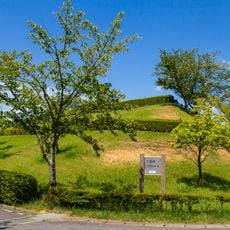
Shibayama Kofun Cluster, Ancient burial mounds in Yokoshibahikari, Japan
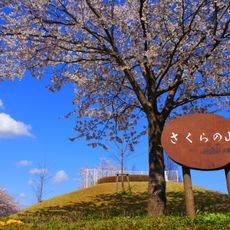
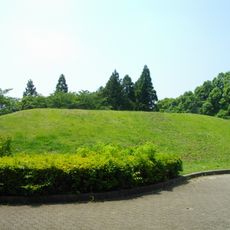
The Shibayama Kofun Cluster is a group of ancient burial mounds on the east bank of the Kido River in Yokoshibahikari, Chiba Prefecture. It consists of two keyhole-shaped tombs and 13 dome-shaped mounds, which yielded grave goods such as rings, swords, and horse fittings when excavated.
The mounds were built in the 6th century, during the later part of the Kofun period, when elaborate burial sites were common across Japan. They were officially designated as a National Historic Site of Japan in 1958.
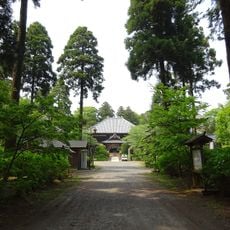
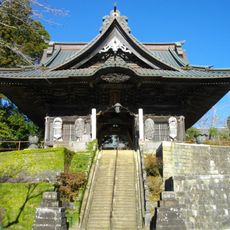
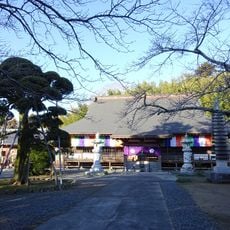
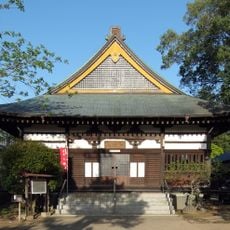
The haniwa from the two tombs are held as a National Important Cultural Property, designated on 27 August 2024 and kept at Kannonkyō-ji temple in Shibayama. The Himezuka figures lay where they fell, forming a 50-metre funeral procession: riders in hats, four saddled horses, five warriors, sixteen men, seven women and ten more men.
The site is within walking distance of the Yokoshiba Nakadai bus stop, making it easy to reach without a car. Wear comfortable shoes, as the mounds are outdoors and the ground around them can be uneven.
The Himezuka mound preserves a funeral procession of haniwa found still standing in place along the north side, stretching about 50 meters from the front of the mound to the rear of the circular portion. The figures include four saddled horses, five warriors, sixteen men, seven women and ten more men, among them a bearded warrior, a farmer with a hoe and a kneeling man with a zither-like instrument.
The community of curious travelers
AroundUs brings together thousands of curated places, local tips, and hidden gems, enriched daily by 93,440 contributors worldwide.