Ebetsu Jinja, Shinto shrine in Ebetsu, Hokkaido, Japan
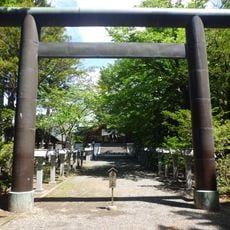
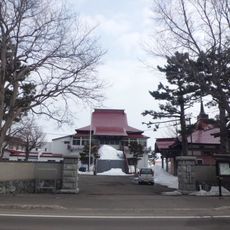
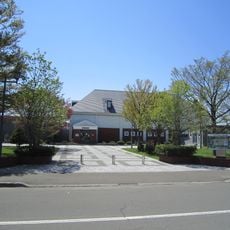
Ebetsu Jinja is a Shinto shrine in the city of Ebetsu, built in the traditional Shinmei-zukuri style with simple lines and a roof of natural materials. The grounds cover a large area surrounded by tall trees, with wooden structures that blend into the natural surroundings.
The shrine began in 1885 as Asukayama Jinja, where settlers from Kumamoto Prefecture enshrined Kato Kiyomasa on Midoricho's Asukayama. In 1891 Okuninushi was divided from Izumo Taisha, and on 25 August 1893 the shrine moved to Hagigaoka by Ebetsu Station and took the name Ebetsu Jinja. In 1915, for the Taisho Emperor's accession, Amaterasu was welcomed from Ise Jingu as the main deity. It became a village shrine in 1917 and a district shrine in 1926; the present hall dates from 1984.
Visitors write wishes on wooden plaques called Ema and hang them at the shrine to express their hopes for health and success. The local practice of offering coins, bowing twice, and clapping twice reflects the community's ongoing connection to traditional beliefs and seasonal celebrations.
The shrine is easily reached, located just a short walk from Ebetsu Station, making a visit convenient for anyone traveling by train. The grounds are well-maintained by staff and volunteers, ensuring visitors find the area clean and organized.
The shrine's three kami reflect its layered past: Kato Kiyomasa, brought by Kumamoto settlers in 1885; Okuninushi, transferred from Izumo Taisha in 1891; and Amaterasu, installed from Ise Jingu in 1915 as the main deity. The present hall was rebuilt in 1984 for the shrine's centenary.
The community of curious travelers
AroundUs brings together thousands of curated places, local tips, and hidden gems, enriched daily by 93,269 contributors worldwide.