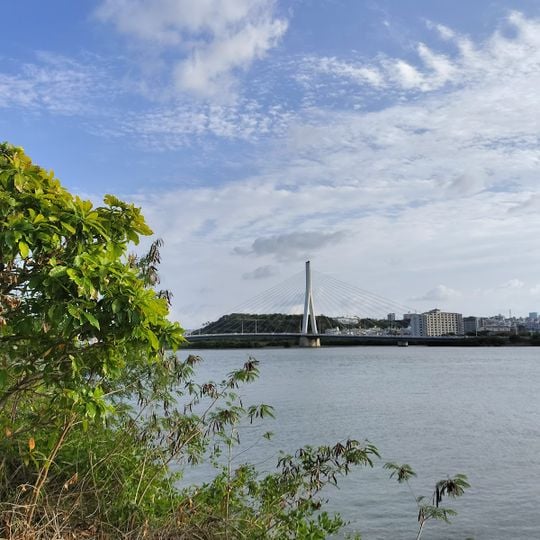
Lake Man, Wildlife refuge and lagoon in Okinawa Prefecture, Japan
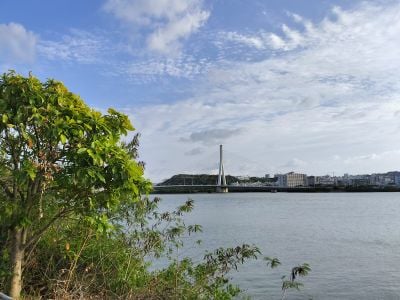
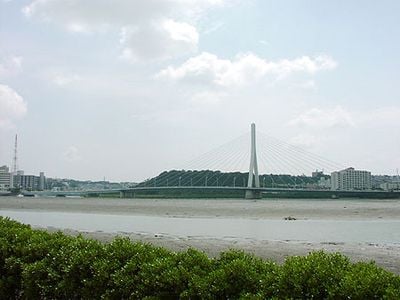
Lake Man is a brackish tidal flat and shallow lagoon of about 11 hectares at the confluence of the Kokuba and Noha rivers near Naha Port. It lies almost at sea level, so the tide exposes mud and covers it again through the day. The Manko Waterbird and Wetland Center stands on the southwest shore, with a boardwalk into the wetland.
The wetland was called Taiko, or Great Lake, in the Ryukyu Kingdom era; a Chinese envoy in the mid-1600s named it Manko after seeing its expanse of water. Land reclamation from the 1960s turned it into a mudflat. In 1992 a citizens' committee planted about 5,000 mangrove saplings of seven species, including Ohyrum and Meya, after a 1990 plan for 6,000 was cancelled. It was designated a national wildlife protection area in 1977 and a Ramsar site in 1999.
The name Manko was given in the mid-1600s by a Chinese envoy impressed by the expanse of water, though the site is a tidal flat, not a lake. Its pronunciation matches a crude Japanese word, prompting a 2004 letter to the Okinawa Times asking whether the name could be changed.
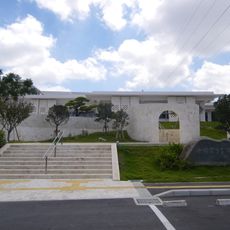
The Manko Waterbird and Wetland Center stands on the southwest shore and has a boardwalk extending into the wetland for close observation. Travelers between Naha Airport and central Naha cross the estuary by monorail between Okuyama Park and Tsubogawa stations, with the wetland visible on the right.
The brackish water of Lake Man is home to the shellfish Macoma nobilis, which is found only on Okinawa Island. The wetland also hosts about ten black-faced spoonbills each winter, a globally rare migratory bird that rests on the mudflats.
The community of curious travelers
AroundUs brings together thousands of curated places, local tips, and hidden gems, enriched daily by 92,713 contributors worldwide.