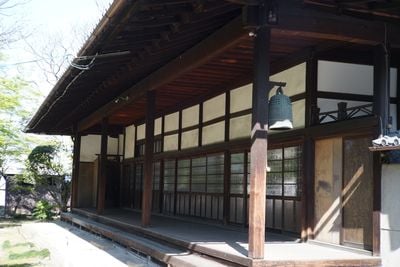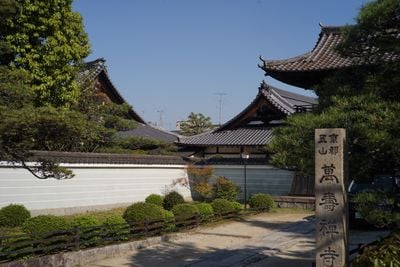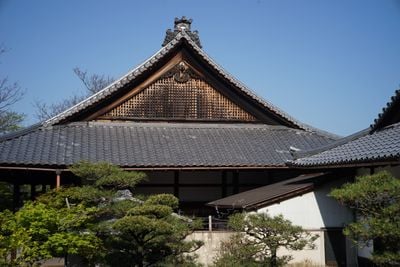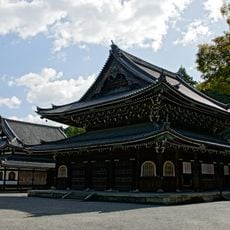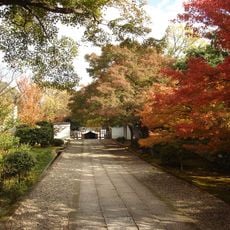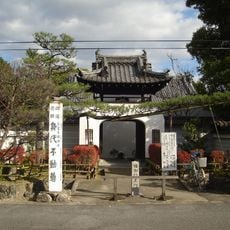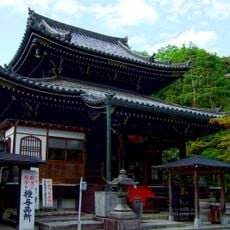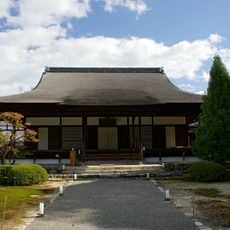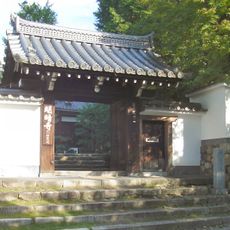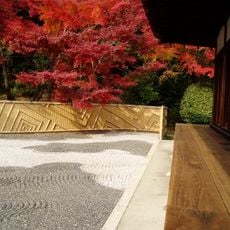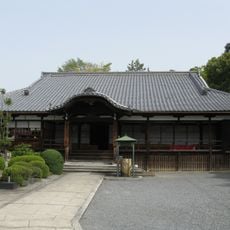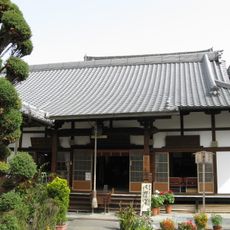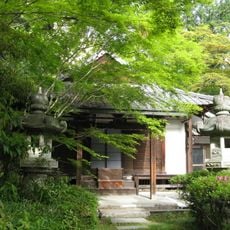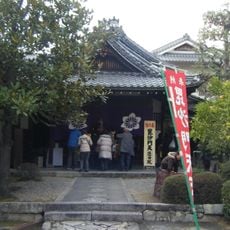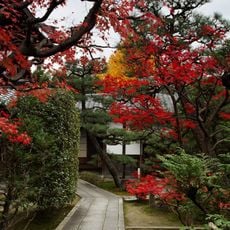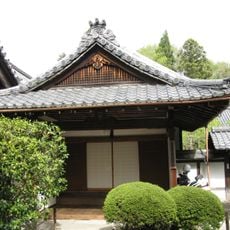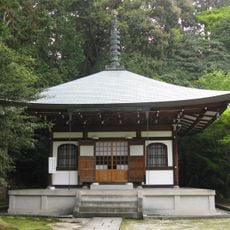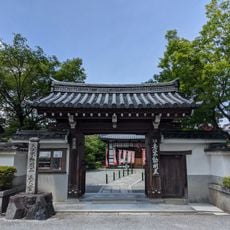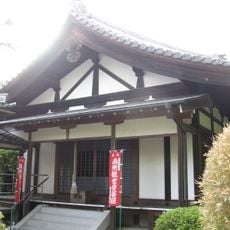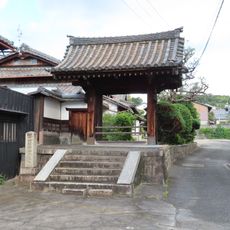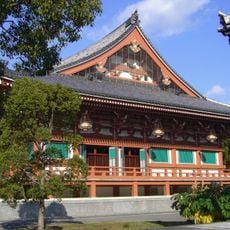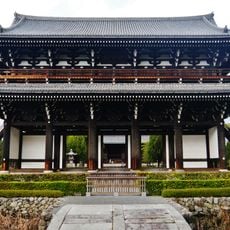
Manju-ji, Rinzai Buddhist sub-temple in Higashiyama-ku, Japan
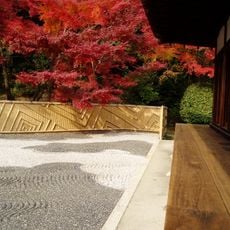
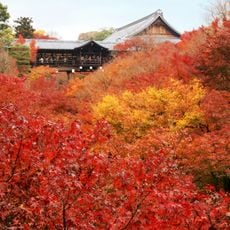
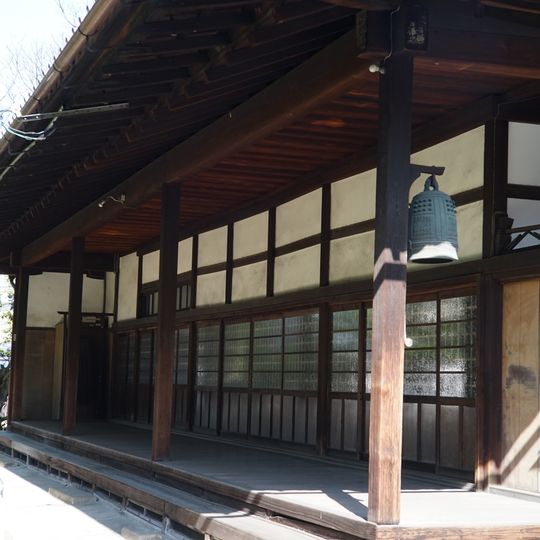
Manju-ji is a Rinzai sub-temple located within the Tofuku-ji Temple complex, featuring traditional Buddhist architecture and gardens designed according to Zen principles. The buildings and grounds reflect classical elements of Buddhist temple design.
The temple was founded in 1096 by Emperor Shirakawa following the death of his young wife Yuhomonin. This personal loss led the emperor to enter Buddhist priesthood and shaped the temple's origins.
The temple houses notable artworks including silk portraits of Enni and a large wooden Amida Nyorai statue on permanent display. These pieces are central to the visual and spiritual character of the place.
The temple is located near Tofukuji Station with railway access on multiple lines. Visitors should be aware that access to the grounds is currently restricted to preserve the site.
Between 1257 and 1259, the temple shifted its religious direction from the Tendai Pure Land sect to Rinzai Zen under the influence of Enni. This transformation marked a turning point in how the temple practiced Buddhism.
The community of curious travelers
AroundUs brings together thousands of curated places, local tips, and hidden gems, enriched daily by 91,847 contributors worldwide.